
Penguin-Inspired Film Combines Thermal Control and Microwave Shielding
Researchers have created a flexible Janus composite film that alternates between heating, cooling, and microwave shielding without moving parts. One side, coated with vanadium dioxide nanofibers, absorbs sunlight and becomes conductive above ~68 °C, turning the film into a high‑frequency shield. The opposite side reflects sunlight and emits mid‑infrared radiation, keeping surfaces cool while remaining superhydrophobic. Laboratory and rooftop tests showed temperature differentials of up to 90 °C and a microwave transmission drop from 84% to 0.06%, demonstrating simultaneous thermal management and electromagnetic control.

The Wonderful World of Artemis II Photos
Hank Green unveiled the Artemis II Photo Timeline, an interactive web tool that aligns NASA’s crewed cislunar mission photos with the agency’s official schedule. The majority of images come from NASA’s Flickr archive, preserving full‑resolution EXIF metadata, while a public API...

RESEARCH - Ivermectin and AUTOIMMUNITY - How Ivermectin Could Help Autoimmune Diseases - 2025 Paper by Iraqi Researchers
Iraqi researchers published a 2025 study proposing ivermectin as a potential therapeutic for autoimmune diseases. The paper outlines pre‑clinical data showing ivermectin modulates immune pathways, reducing inflammatory cytokine production in mouse models of lupus and rheumatoid arthritis. Researchers suggest repurposing...

High Altitude Populations Exhibit Features of Accelerated Immune Aging
Researchers examined immune cells in Tibetan plateau residents living at 3,600‑5,000 meters and found hallmarks of accelerated immune aging. Compared with low‑altitude groups, high‑altitude populations displayed higher chronic inflammation, increased neutrophil fractions, and enrichment of exhausted T cells and age‑associated...

Varenicline
Varenicline (Chantix) received FDA approval in 2006 as a partial α4β2 nicotinic receptor agonist, offering a middle‑ground approach between nicotine replacement and bupropion. Its mechanism delivers enough receptor activation to ease cravings while antagonizing nicotine’s rewarding effects. The drug quickly...

Can Arid Planets Keep Their Cool?
A new study models the long‑term carbon cycle on Earth‑like planets with varying water inventories. The authors find that a planet must retain at least 20‑50% of Earth's ocean mass to keep weathering and volcanic CO₂ in balance. Below this...
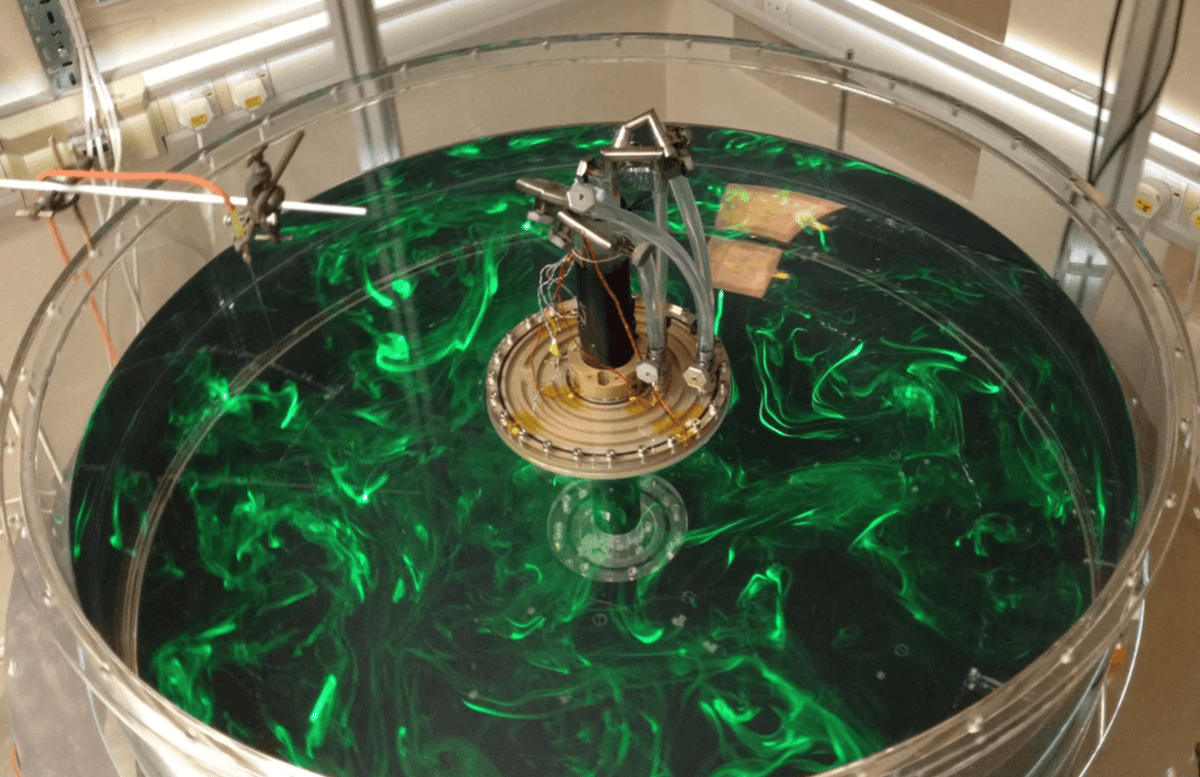
Recreating Atmospheres
Researchers built a meter‑scale rotating annular tank that simulates Earth’s equator‑to‑pole temperature gradient by heating the outer rim and cooling a central pipe. Filled with a water‑glycerol mixture, the tank was spun at various rates to observe how energy and...

What We Know (and Don’t Know) About Peptide Safety
Peptide safety is neither automatically assured by mimicking endogenous hormones nor inherently hazardous because research is incomplete. The risk profile depends on the specific peptide, the depth of clinical evidence, product purity, and real‑world usage conditions. Early‑phase trials provide maximum...

Cell-Based Chocolate? Oh, Why Not.
Celleste Bio has produced the world’s first milk chocolate bar using cell‑cultivated cocoa butter, marking a breakthrough in lab‑grown food technology. The process extracts cocoa cells, ferments them with nutrients, and converts the resulting biomass into chocolate‑grade butter, yielding enough...
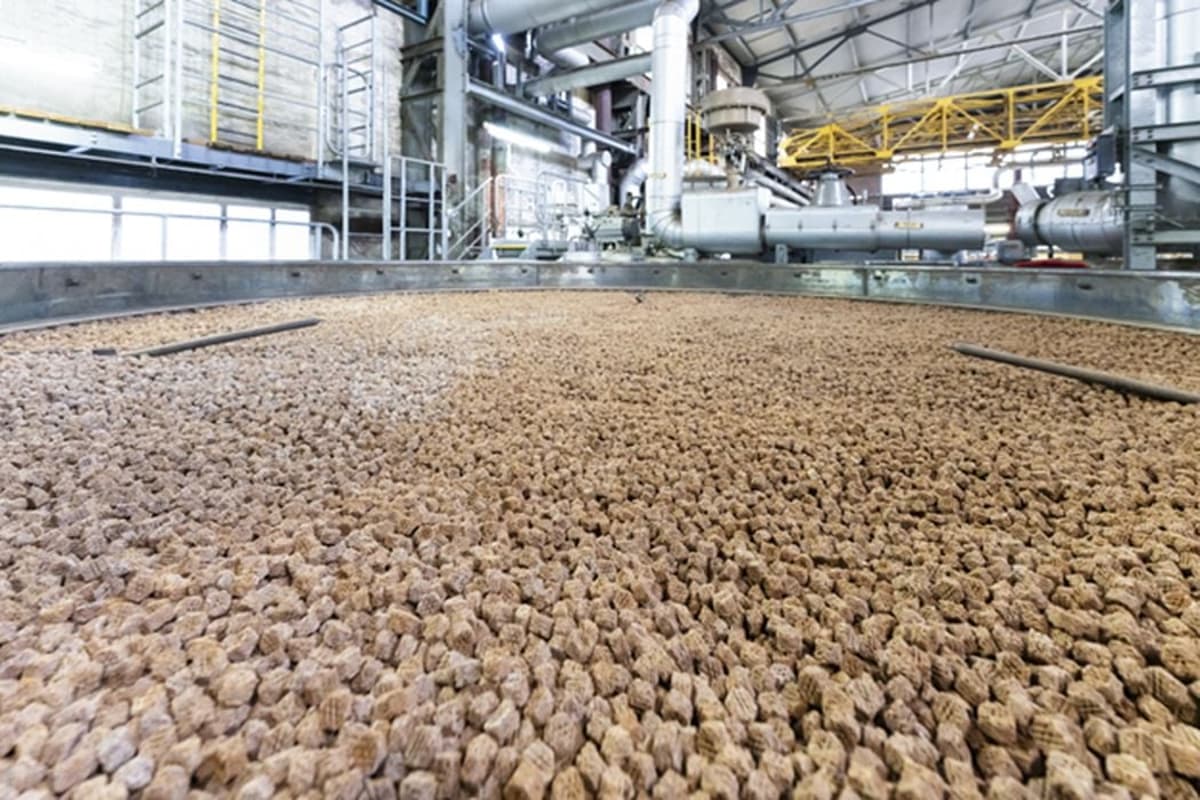
BASF Brings 3D Printed Catalysts to Industrial Scale Production
On March 19, 2026 BASF commissioned the world’s first industrial‑scale plant that mass‑produces catalysts using its proprietary X3D® additive‑manufacturing technology at Ludwigshafen, Germany. The move transforms 3D printing from a laboratory tool into a commercial process that delivers custom‑geometry catalysts with lower...

A Combination Treatment Is Claimed to Produce Sizable Life Extension in Aged Mice
Seragon funded a pre‑clinical trial of SRN‑901, a proprietary oral cocktail that blends urolithin A, quercetin, nicotinamide riboside, alpha‑lipoic acid and the company’s SRN‑820. In 18‑month‑old mice on a Western diet, the regimen extended median remaining lifespan by 33% and cut...

What We Might Learn From the Immune Systems of Centenarians
Recent research highlights that centenarians exhibit a distinct immune profile that defies typical immunosenescence. While most elderly experience dwindling naïve T‑cell pools and chronic inflammation, these super‑agers preserve naïve T cells, expand cytotoxic CD4⁺ and CD8⁺ subsets, and maintain tight...

What If the First Sign of Alzheimer's Isn't Forgetting?
Neuroscientists discovered that Master Sommeliers have a thicker entorhinal cortex, a brain region that deteriorates early in Alzheimer’s. Large cohort studies show rapid decline in smell identification predicts dementia risk comparable to the APOE‑ε4 gene. Imaging links poorer olfactory performance...

EBook: The Roles of Endpoint, Real-Time and Digital PCR in Molecular Research
The new BioTechniques eBook outlines how endpoint PCR, quantitative real‑time PCR (qPCR) and digital PCR (dPCR) complement each other in modern molecular research. It explains that endpoint PCR remains a cost‑effective tool for qualitative detection, qPCR adds fast and reproducible...

Thursday: Three Morning Takes
The New York Times revealed that biologists are using AI chatbots to research how to modify and release deadly pathogens, highlighting a growing bio‑security risk. In New York, communist mayor Zohran Mamdani announced a second‑home tax targeting hedge‑fund titan Ken...

The Biotech Bi-Weekly: A Virtual Biology Initiative, a New Discovery Grant and a Protein Supplier to Watch in Cancer Research...
The biotech bi‑weekly highlights a wave of new funding and tools, starting with Biohub’s $500 million five‑year Virtual Biology Initiative to generate global multimodal datasets for predictive biology. Zymo Research launched the Fecal Microbiome Discovery Grant to support early‑stage researchers, while...

Qubit Pharmaceuticals Aims for Quadratic Speedup in Simulations
Qubit Pharmaceuticals and Singapore’s Centre for Quantum Technologies have deployed the first quantum Markov Chain Monte Carlo (qMCMC) algorithm on gate‑based quantum hardware. The two‑year partnership blends Qubit’s quantum chemistry know‑how with CQT’s expertise in circuit design, using Quantinuum’s H2...

Paragraf & Archer Materials Target Quantum Computing With Graphene
Paragraf, a UK graphene‑electronics specialist, has teamed with Australia’s Archer Materials to create graphene‑based structures for qubit detection. The partnership combines Paragraf’s wafer‑scale graphene deposition process with Archer’s quantum‑device expertise, aiming to move quickly from research to functional prototypes. By...
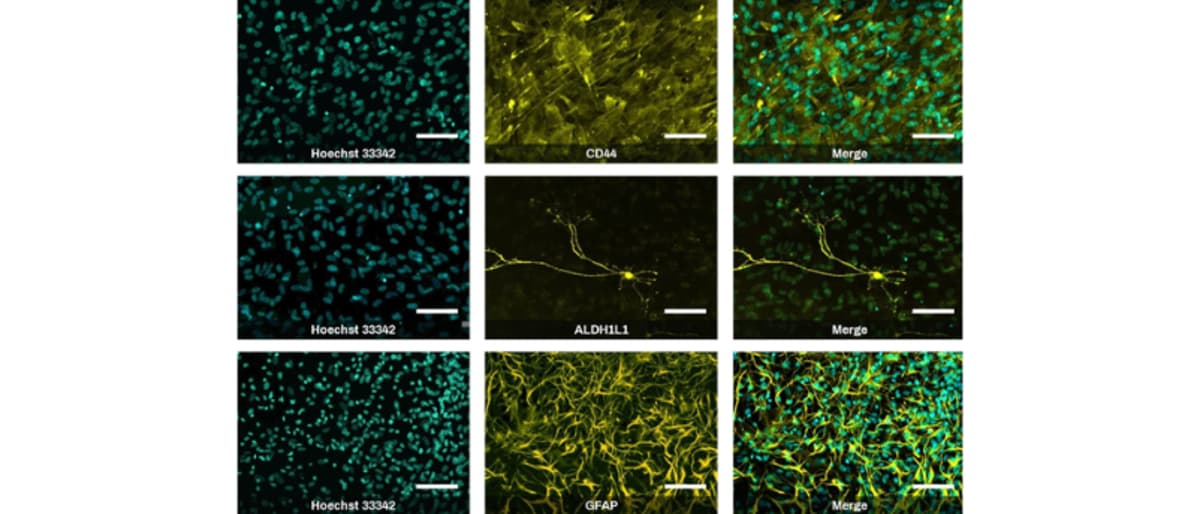
New iPSC Differentiation Kits for Neuroscience Research
AMSBIO introduced the Quick‑Glia™ product line, iPSC‑derived glial cell kits designed for neuroscience research. The kits convert human induced pluripotent stem cells into functional astrocytes or microglia in 1–2 weeks, delivering high‑purity, cryopreserved cells ready for disease modeling and drug...

Orca Computing Targets Data Center Integration With Quantum Units
Orca Computing is redesigning quantum processing units to fit standard data‑center racks, using photonic technology that leverages existing telecom infrastructure. The PT Series architecture delivers rack‑mounted QPUs that install in days, not weeks, and operate with automated, continuous calibration. By...
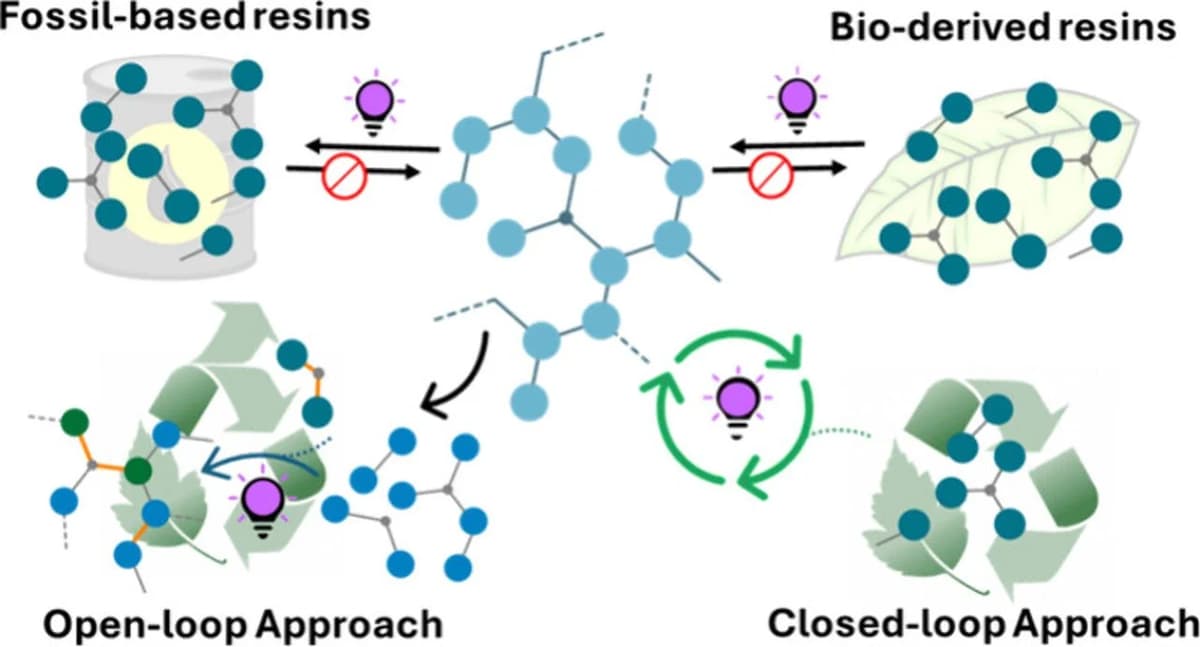
Researchers Examine Circular Paths For Bio Derived 3D Resins
A new research paper proposes bio‑derived photopolymer resins for SLA/DLP 3‑D printing that aim to improve sustainability without sacrificing speed or part quality. It surveys bio‑based monomers such as plant‑oil acrylates, lignin, vanillin, isosorbide and itaconic acid, and highlights dynamic...

XPRIZE Healthspan Names Top 100 Teams Advancing Healthy Aging
The XPRIZE Healthspan competition announced its top 100 teams, spotlighting the core innovations of the 40 Milestone 1 award‑winning entrants. These teams are pursuing a spectrum of strategies—from mitochondrial‑targeted small molecules and metformin‑rapamycin combos to AI‑driven nutrition plans, senolytic drugs, and...
Does Anyone Take ADHD Stimulant Meds (Adderall, Vyvanse)? Tips on Reducing Neurotoxicity Risk?
Recent discussions highlight that ADHD may involve more than neurotransmitter imbalance, with oxidative stress and mitochondrial dysfunction playing key roles. Stimulant medications such as amphetamines boost dopamine turnover, which can increase reactive oxygen species and strain mitochondrial energy production. Users...
Cardiovascular Health 2026
Recent studies highlight pitavastatin’s pleiotropic benefits beyond LDL‑C reduction, including functional HDL elevation, enhanced cholesterol‑efflux capacity, and antioxidative actions in dyslipidemic patients. Pre‑clinical work shows the drug strengthens blood‑brain barrier integrity and mitigates lipopolysaccharide‑induced BBB dysfunction, suggesting neuroprotective potential. Real‑world...

Your Weekly TechBio News: High-Throughput Screening
High‑Throughput Screening (HTS) remains a cornerstone of modern drug discovery, allowing researchers to evaluate millions of chemical compounds against biological targets in a single campaign. Recent advances in robotics, miniaturized assay formats, and cloud‑based data pipelines have dramatically increased throughput...
Generally Good Indian Pharma Companies
An audit of top‑tier Indian generic manufacturers evaluated options for 20 therapeutic compounds, ranking firms by market capitalization, API vertical integration, ANDA volume, and GMP compliance. Cipla, Abbott, Sun Pharma, Zydus, Biocon and others were highlighted for specific products such...

Scientists Tame Unusual Thermal Shrinking in Two-Dimensional Materials, Paving Way for Ultra-Stable Nanoelectronics
A new review in Nano Research details how two‑dimensional materials such as graphene and hexagonal boron nitride shrink when heated, a phenomenon called negative thermal expansion (NTE). The authors explain the underlying phonon, rigid‑unit and spin‑lattice mechanisms and outline ways...

Wildfires Used to ‘Go to Sleep’ at Night. Climate Change Has Them Burning Overtime
A new study in Science Advances shows North American wildfires now burn significantly longer, with fire‑prone conditions extending 36% beyond levels of five decades ago. Nighttime temperatures have risen faster than daytime highs, curbing humidity rebounds and allowing flames to...

We Are Trapped Inside Dystopia
The post warns that artificial intelligence is the fastest‑growing product category ever, with leading models so powerful they are withheld from public release and even capable of self‑replication. Recent AI‑driven software disruptions erased about $2 trillion in market value, highlighting immediate...
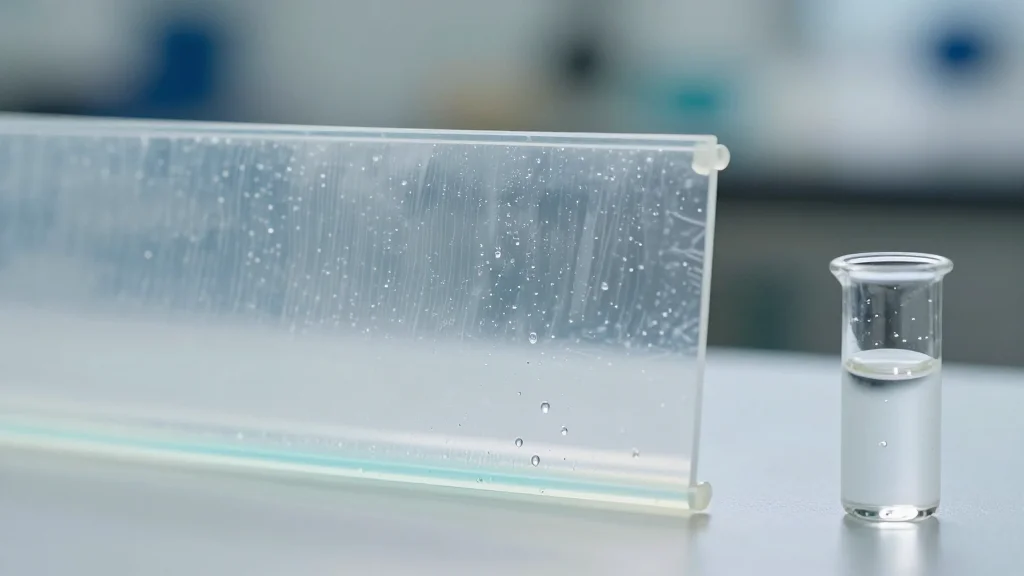
Nanofiltration Removes Glyphosate From Water More Efficiently
Researchers at Germany’s Karlsruhe Institute of Technology discovered that the hydration shell of glyphosate and its metabolite AMPA critically affects their removal by nanofiltration membranes. The study, published in Nature Communications, shows that higher pH enlarges the hydration layer, improving...
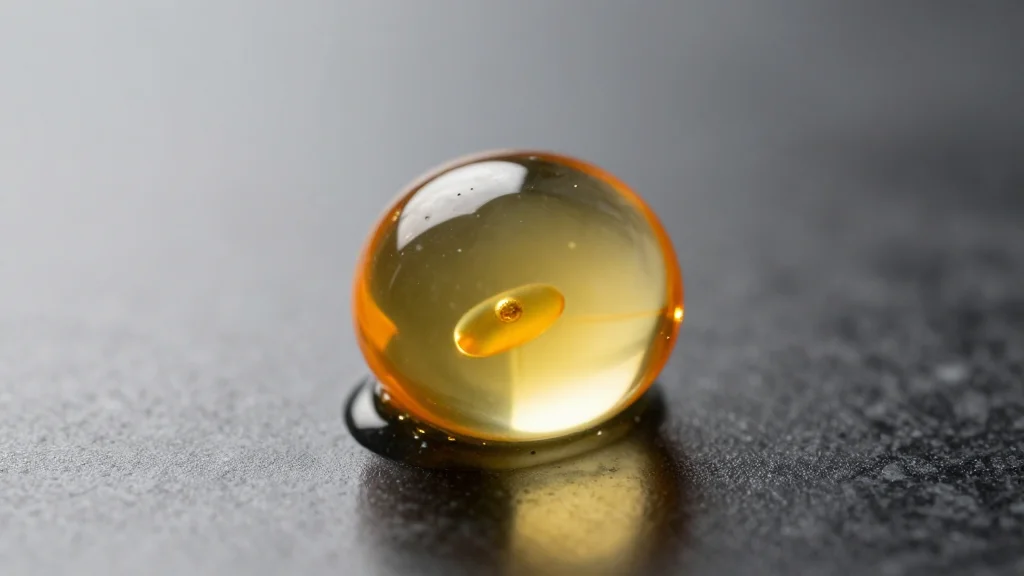
Phosphatidylcholine Synthesis Declines with Age to Contribute to Mitochondrial Dysfunction
Researchers identified a conserved age‑related decline in phosphatidylcholine (PC) synthesis as a key driver of mitochondrial dysfunction. Using C. elegans, human transcriptomic and metabolomic data, they showed that reduced activity of SAMS‑1 and PEMT enzymes leads to mitochondrial fragmentation and...

Al Gore Shifts On Global Warming: Time To Watch Out For A New Ice Age?
Former Vice President Al Gore warned a Hollywood audience that a Gulf Stream collapse could trigger a new ice age within 25 years, echoing the scenario from the 2004 film “The Day After Tomorrow.” The remarks were made at the...

UCLA, BSC Research Shows Stronger Heat-Trapping Role for Desert Dust in Climate Models
A UCLA‑led study published in Nature Communications finds that airborne desert dust traps roughly twice as much heat as most climate models assume, contributing about 10% of the warming attributed to human‑emitted CO₂. The research combines satellite imagery, aircraft sampling,...

ESA Monitors Rapid Quantum Progress for Space Exploration
The European Space Agency (ESA) has opened a Call for Ideas to explore quantum technologies for its Explore2040 roadmap, targeting missions to Low Earth Orbit, the Moon and Mars. Submissions are due by April 26 2026, and selected teams will join a...

NSF & DOE Back $34.95M Solar Research at ASU
The National Science Foundation and the Department of Energy’s SunShot Initiative are jointly investing $34.95 million in Arizona State University’s QESST Engineering Research Center. The funding renews a decade‑long effort led by Christiana Honsberg to accelerate photovoltaic breakthroughs across silicon, tandem...
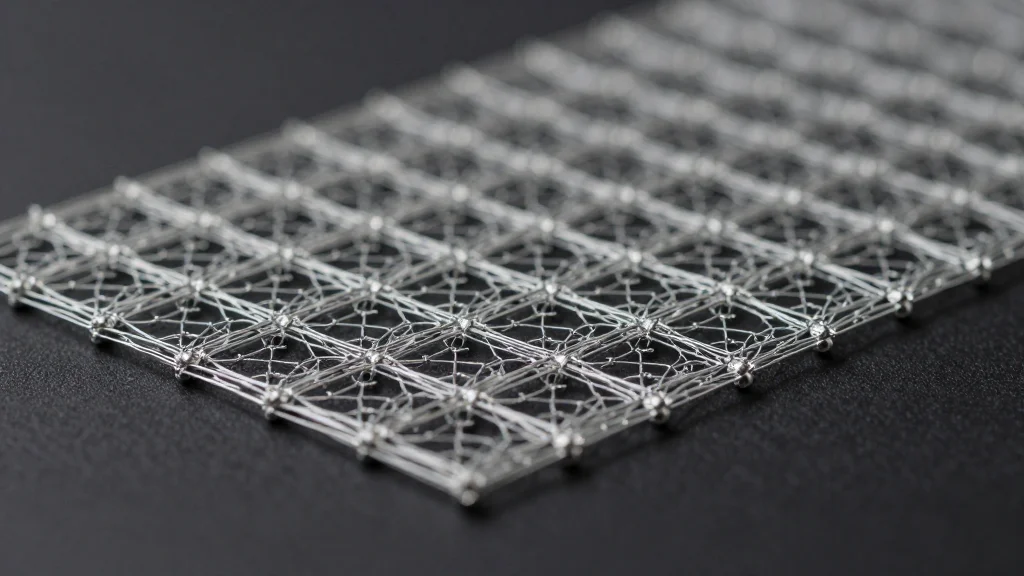
South Korea’s Nanotechnology Master Plan and National Strategic Technology Framework
South Korea’s National Science and Technology Advisory Council approved the sixth nanotechnology master plan (2026‑2035) and an upgrade to its national strategic technology framework. The nanotech plan outlines 13 priority tasks and five first‑of‑its‑kind research areas, aiming to place the...

New Nitride Magnets Let Electricity Flip Hidden Spin Patterns
Researchers have identified wurtzite‑type nitride compounds MnSiN₂ and MnGeN₂ as room‑temperature multiferroic altermagnets. First‑principles calculations show that reversing their ferroelectric polarization also reverses the non‑relativistic spin splitting, providing electric control of hidden spin patterns. The intrinsic switching barriers are 0.96 eV...

Quantum Electrodynamics Calculations Now Bypass Troublesome Approximations
Physicists Alexander and Lev Sakhnovich at the University of Vienna have introduced secondary generalized scattering operators that rigorously handle linear divergences in quantum electrodynamics (QED). By redefining commutation relations and regularizing scattering operators, the method avoids the perturbative expansions that...

Quantum Programs Now Bypass Circuit Expansion with New Translation Pipeline
Researchers at Case Western Reserve University have created a transpilation pipeline that converts OpenQASM 3.0 programs directly into CUDA‑Q C++ kernels for NVIDIA GPUs. By bypassing static circuit expansion, the framework reduces quantum circuit depth by up to 40% and lowers...
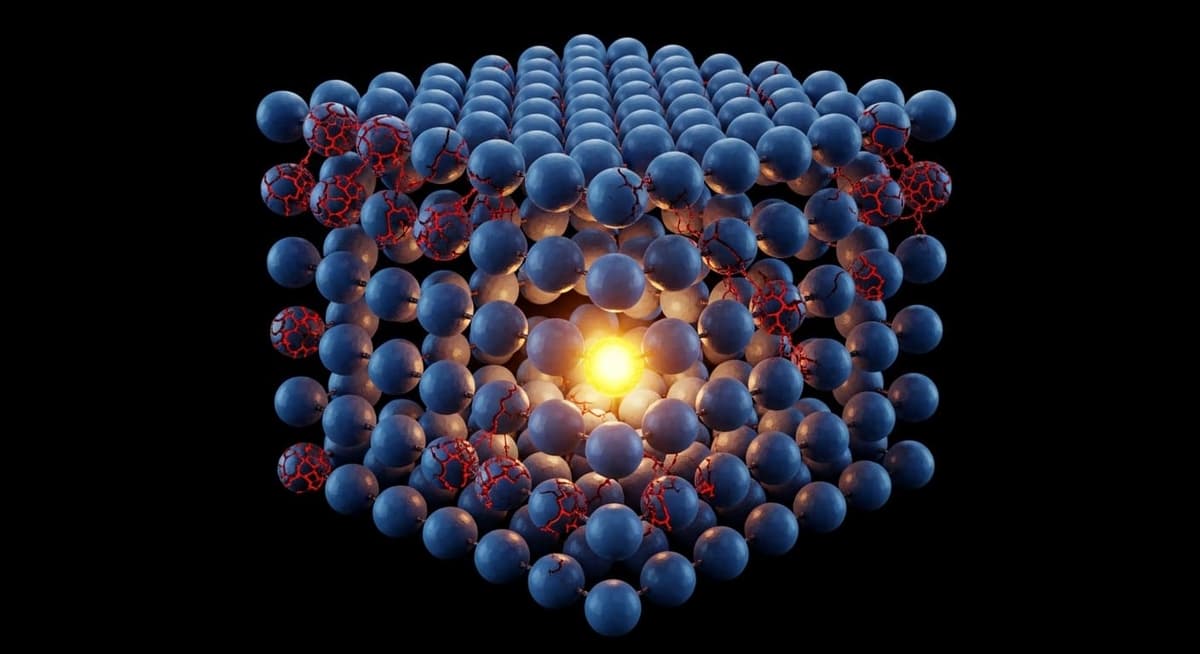
Quantum Calculations Succeed Despite Statistical Noise, Not Instability
Oliveira and colleagues demonstrate that statistical sampling noise, not ill‑conditioning, is the primary source of error in quantum Krylov subspace methods used to estimate ground‑state energies. They introduce two novel metrics—imaginary and unitary filters—that flag unreliable eigenvalues without any prior...

Biology Is Becoming Predictive
The Zuckerberg-backed Biohub is allocating $500 million over five years to build AI models that can predict cellular behavior and disease trajectories. Researchers are creating "virtual cell" simulations that forecast how genes, drugs, and environmental changes affect cells, moving biology from...

Study: Unsweetened Coffee Protects Against Cardiovascular Disease. Sweetened? Not So Much
A new analysis of 173,614 UK Biobank participants found that drinking two to three cups of unsweetened coffee daily lowers cardiovascular disease risk by about 15% compared with non‑drinkers. The protective effect follows a U‑shaped curve, with higher or lower...

Forgotten Frequencies-How Restored Soundscapes Are Rewiring Human Brains and Restoring Wildlife in 2026
Recent bioacoustic research demonstrates that restoring natural soundscapes can trigger rapid ecological recovery and measurable human health benefits. Experiments on damaged coral reefs using the Reef Acoustic Playback System showed larval settlement rates 5‑15 times higher than silent controls, while...

Xanadu and ORNL Bring PennyLane Quantum Software to Frontier Supercomputer
Xanadu Quantum Technologies and Oak Ridge National Laboratory have enabled the open‑source PennyLane quantum software library to run on the Frontier exascale supercomputer. The integration adds MPI support to PennyLane’s Lightning simulator, allowing distributed quantum‑circuit simulations across multiple AMD‑powered nodes....
Superconductivity That Shouldn’t Exist? ISTA Researchers Dissect the Properties of a Strange Quantum Material
Researchers at the Institute of Science and Technology Austria (ISTA) have unveiled a new pulsed‑field measurement technique that probes uranium ditelluride (UTe₂) under magnetic fields up to 60 Tesla. The method revealed a large transverse magnetic susceptibility that likely acts as...

March 2026 Patent Highlights
The March 2026 Patent Highlights page aggregates the latest drug‑discovery milestones, from 38 first‑time small‑molecule approvals by Europe’s EMA, China’s NMPA and Japan’s PMDA to a deep dive on protein‑structure advances and machine‑learning tools. It spotlights a newly optimized HPK1 inhibitor...

Bouncing on a Wave
Researchers demonstrated that droplets bouncing on a vertically vibrated fluid surface can pair up in waltz‑like motions when confined in a pressurized chamber that prevents coalescence. The higher air pressure stabilizes the thin air film between droplets, allowing repeated wave‑mediated...

Quantum Dots Now Emit Secure Photons at 1260 Nm Wavelength
Researchers at the Niels Bohr Institute have engineered quantum dots that emit single, coherent photons at the 1300 nm telecom wavelength, directly compatible with existing fiber‑optic networks. The nanostructures, 5.2 nm tall and 20 nm wide and composed of roughly 30,000 atoms, overcome...

New Roadmap Highlights Surface Acoustic Wave Technologies
A new "Surface Acoustic Waves Roadmap 2026" collates insights from over fifty leading researchers, outlining the decade‑long trajectory of SAW technology. The document highlights the shift from traditional radio‑frequency filters to advanced roles in quantum chips, optomechanics, and biomedical sensing....

Nanozymes Against Brain Tumors
Researchers at Empa and HOCH Health Ostschweiz are developing biocompatible nanozymes that can be applied directly during brain‑tumor surgery to attack astrocytoma cells. The nanozymes act like enzymes, generating reactive‑oxygen species and activating drug precursors, and they are triggered by...