Researchers Examine Circular Paths For Bio Derived 3D Resins
Key Takeaways
- •Bio‑derived acrylates, methacrylates, epoxies sourced from plant oils and lignin
- •Vitrimer networks enable heat‑triggered reshaping, welding, and closed‑loop repair
- •Low‑viscosity blends and matched absorbers preserve DLP speed and accuracy
- •Life‑cycle assessment and ASTM D6866 reporting needed for market credibility
Pulse Analysis
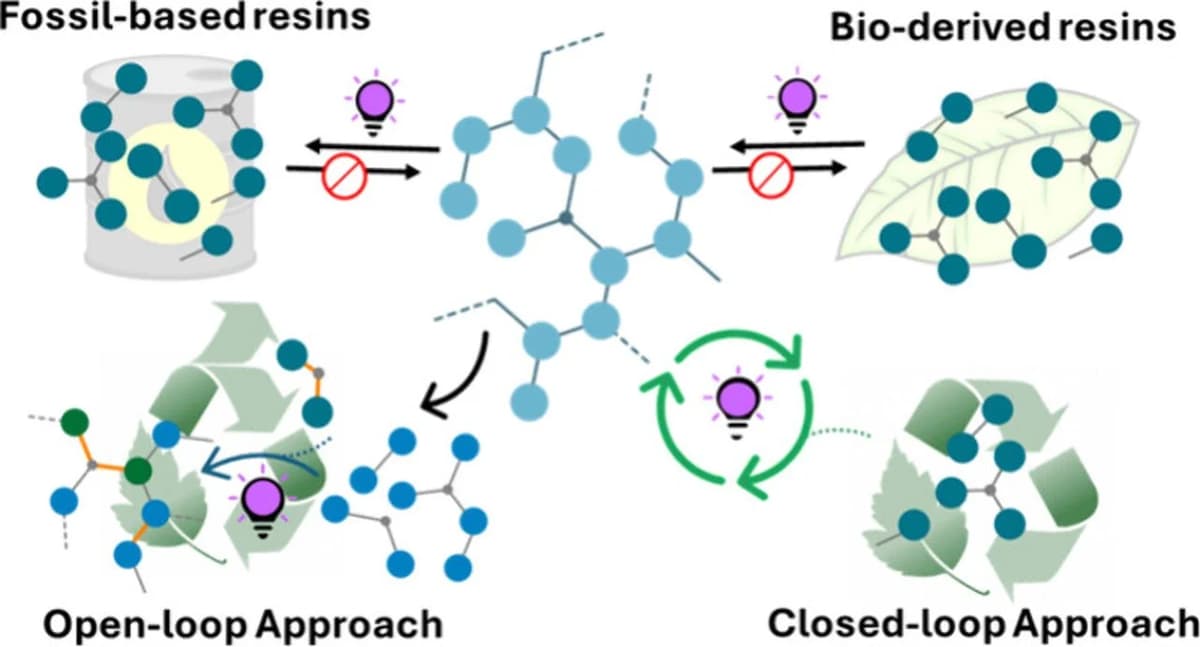
The rapid growth of vat photopolymer printing has outpaced the development of environmentally responsible materials. Conventional SLA and DLP resins are derived from petroleum‑based acrylates that generate hazardous waste and are notoriously difficult to recycle, creating a carbon‑intensive lifecycle that conflicts with corporate sustainability goals. As regulators and consumers push for lower emissions and transparent end‑of‑life pathways, the industry is searching for circular solutions that can be integrated into existing hardware without compromising the high surface finish and dimensional accuracy that make resin printing attractive.
The recent paper from Accounts of Materials Research outlines a portfolio of bio‑derived monomers—including plant‑oil acrylates, lignin‑based methacrylates, vanillin epoxies, isosorbide, and itaconic acid—that can replace petrochemical feedstocks. By pairing these monomers with reactive diluents and wavelength‑matched absorbers, formulators achieve the low viscosity and cure depth required for fast 405 nm or 385 nm DLP exposure. Central to the circular strategy are dynamic covalent networks, or vitrimers, whose exchangeable bonds permit heat‑activated reshaping, welding, and chemical depolymerization, extending part life while keeping mechanical performance stable.
Commercial uptake will likely begin in low‑risk sectors such as consumer‑goods prototyping, where certification hurdles are modest, before moving into dental, automotive, or medical applications that demand rigorous durability data. The authors stress that third‑party life‑cycle assessments and standardized bio‑content metrics like ASTM D6866 are essential to move sustainability claims from marketing to verified performance. If resin manufacturers can deliver drop‑in formulations that match existing printer profiles, the additive‑manufacturing ecosystem could achieve a true closed loop, reducing waste, lowering carbon footprints, and opening new revenue streams for eco‑focused product lines.
Researchers Examine Circular Paths For Bio Derived 3D Resins
Comments
Want to join the conversation?