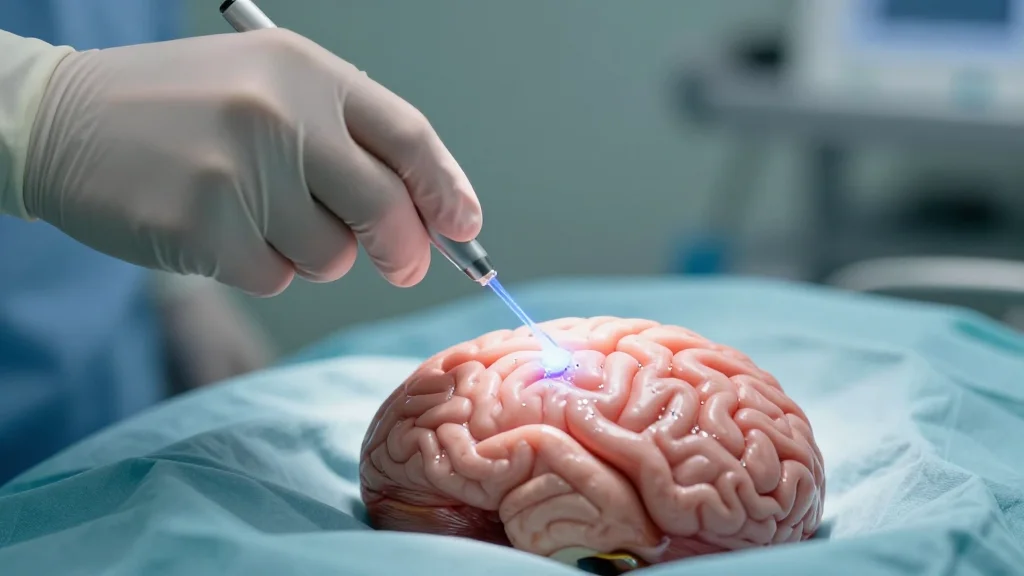
Nanozymes Against Brain Tumors
Key Takeaways
- •Nanozymes can be applied during surgery, bypassing blood‑brain barrier
- •Near‑infrared activation enables precise, controllable tumor cell killing
- •Enzyme‑like activity generates reactive oxygen to damage malignant cells
- •Expected clinical trial readiness after four‑year research project
- •Potential to reduce astrocytoma relapse rates and treat other CNS tumors
Pulse Analysis
Brain‑tumor surgery faces a fundamental obstacle: the blood‑brain barrier blocks most systemic drugs, leaving surgeons to rely on radiation and chemotherapy that often cause collateral damage. As a result, recurrence rates for astrocytoma remain alarmingly high, with five‑year survival hovering around five percent. The need for a localized, controllable therapeutic that can reach infiltrative tumor margins has spurred interest in nanomedicine, especially platforms that can be deployed directly in the operating theater.
Nanozymes represent a hybrid of nanomaterials and enzyme mimetics, engineered to catalyze reactions that produce cytotoxic agents only within the tumor microenvironment. Their small size enables deep tissue penetration, while near‑infrared (NIR) light activation provides surgeons with millimeter‑scale precision, limiting exposure to healthy brain tissue. By converting inert drug precursors into active compounds or generating reactive‑oxygen species on demand, nanozymes deliver a potent, yet gentle, anti‑cancer punch that sidesteps the systemic toxicity of traditional chemotherapy.
The Empa‑HOCH collaboration targets a four‑year development timeline, after which the nanozyme platform will enter clinical trials as an adjunct to standard resection procedures. If trials confirm safety and efficacy, the technology could open a new market segment for intra‑operative nanomedicines, extending beyond astrocytoma to glioblastoma, spinal‑cord tumors, and possibly other hard‑to‑reach malignancies. Investors and healthcare providers will watch closely, as the approach promises to reduce relapse rates, shorten hospital stays, and lower overall treatment costs, marking a potential paradigm shift in neuro‑oncology care.
Nanozymes against brain tumors
Comments
Want to join the conversation?