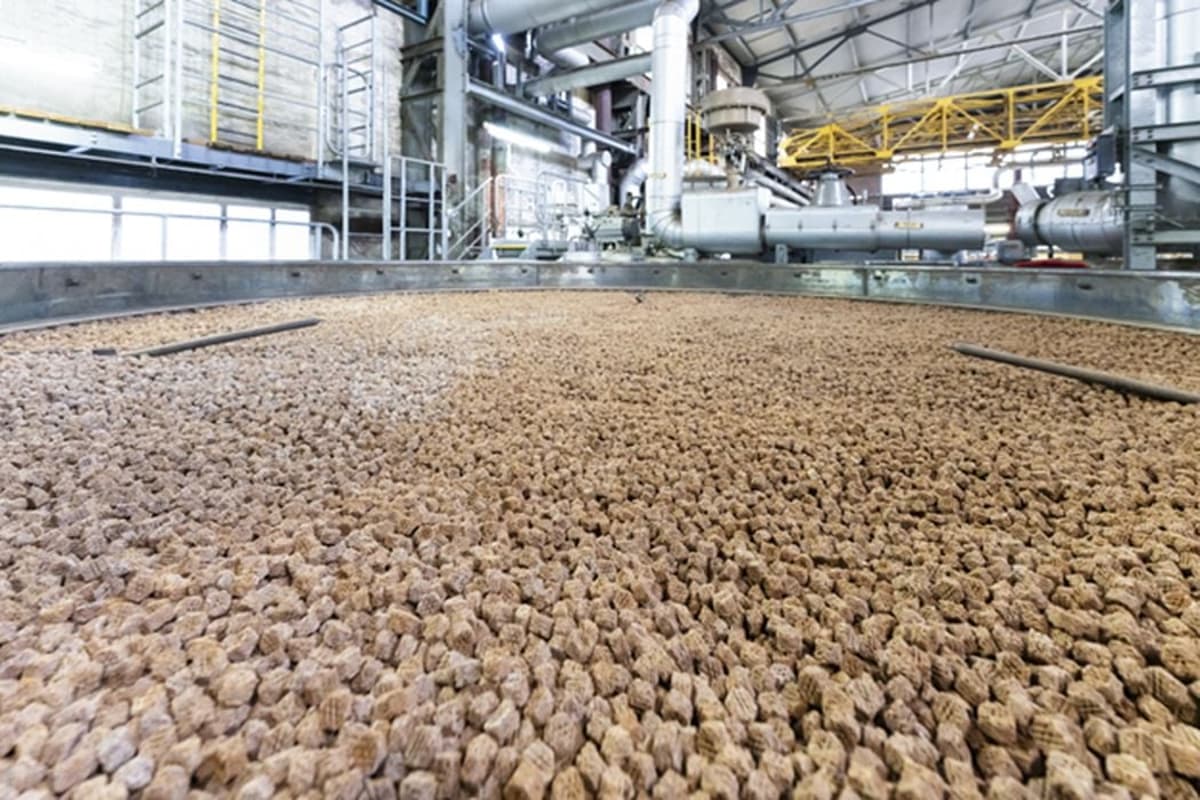
BASF Brings 3D Printed Catalysts to Industrial Scale Production
Key Takeaways
- •BASF launched first industrial‑scale 3D‑printed catalyst plant in Ludwigshafen
- •X3D catalysts cut reactor pressure drop, boosting throughput and energy efficiency
- •Early deployments saved up to $3.3 million annually per plant
- •3D‑printed catalyst market could reshape $43 billion global catalyst industry
- •U.S. firms can leverage R&D tax credit for 3D‑printing projects
Pulse Analysis
Additive manufacturing has long been a research curiosity in the chemicals sector, but BASF’s X3D® platform proves it can be a production‑grade technology. By printing catalyst bodies layer‑by‑layer, the company overcomes the geometric limits of extrusion and tableting, creating porous structures that enhance mass‑transfer while maintaining mechanical strength. This breakthrough aligns with a broader industry trend toward digital twins and rapid prototyping, where design cycles shrink from months to weeks, enabling faster response to market demands and tighter regulatory timelines.
The economic upside is immediate. In a 32‑MTPD sulfuric‑acid plant, X3D catalysts delivered a 1 % conversion lift, translating to roughly $27,500 in extra product value, plus $64,000 in caustic‑soda savings and $20,000 in energy reductions—totaling about $110,000 per year. A nitrogen‑chemistry installation saved more than $3.3 million annually, underscoring how geometry‑optimized catalysts can slash operating costs and emissions. Across sectors—from petrochemicals to pharmaceuticals and emerging hydrogen pathways—these efficiency gains ripple through supply chains, reinforcing the $43 billion catalyst market’s growth potential.
For competitors and U.S. innovators, BASF’s rollout serves as both a benchmark and a catalyst for investment. The R&D Tax Credit now explicitly covers expenses tied to 3D‑printed prototype development, hardware, and material consumption, lowering the financial barrier for firms seeking to adopt similar processes. As more companies integrate additive manufacturing into catalyst design, we can expect a wave of customized, high‑performance solutions that drive sustainability targets while delivering competitive cost advantages. The next decade may see 3D‑printed catalysts become the industry standard, reshaping how chemicals are made worldwide.
BASF Brings 3D Printed Catalysts to Industrial Scale Production
Comments
Want to join the conversation?