Does Having Children Extend Life Span? A Genealogical Study of Parity and Longevity in the Amish
Key Takeaways
- •Each additional child adds ~0.23 years to fathers' lifespan.
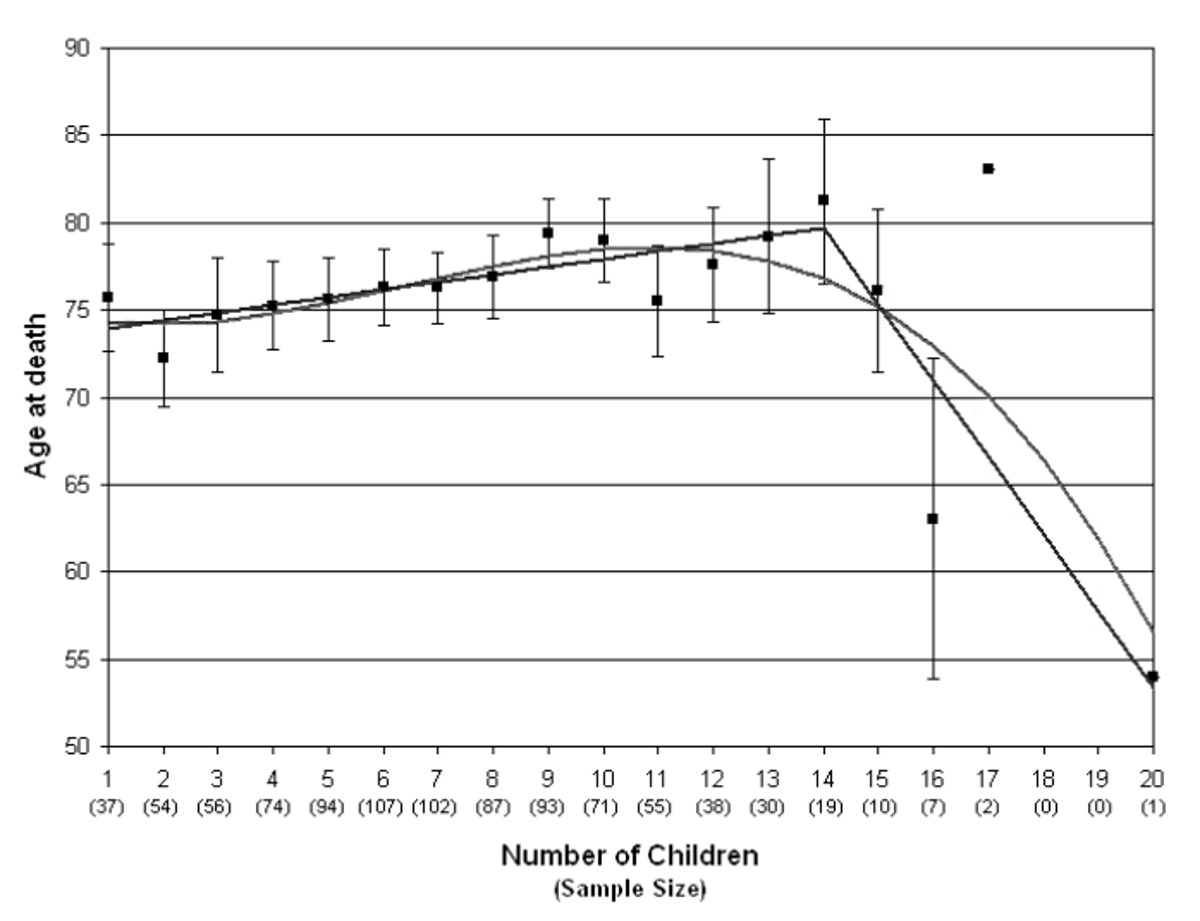
- •Mothers gain ~0.32 years per child up to 14 children.
- •Beyond 14 births, each extra child cuts ~4 years off women's lifespan.
- •Late age at last birth predicts slower biological aging in women.
- •Study isolates genetics, removing modern confounders like birth control.
Pulse Analysis
The disposable‑soma theory has long posited that early reproductive effort diverts resources from somatic maintenance, shortening life expectancy. Yet the Amish cohort—isolated from modern contraceptives, variable socioeconomic status, and contemporary medical interventions—offers a rare natural experiment. By leveraging meticulous church records spanning over a century, researchers could trace longevity outcomes with minimal external noise, providing a clearer view of how reproductive patterns intersect with aging biology.
Results reveal a nuanced gender split. For men, every additional child contributed roughly 0.23 extra years of life, hinting at benefits tied to larger family networks or underlying health robustness. Women, however, displayed a dual‑phase relationship: up to 14 children, each birth added about 0.32 years, but beyond that threshold the effect reversed dramatically, shaving more than four years per extra child. Crucially, when models accounted for the age at last birth, the parity‑longevity link vanished for lower‑parity women, indicating that a prolonged reproductive window—delayed menopause—serves as a proxy for slower systemic aging rather than childbearing per se.
These insights reshape how longevity researchers view reproductive history. Late reproductive capacity may become a non‑invasive biomarker for aging interventions, while the stark penalty of ultrahigh parity underscores physiological limits to gestational stress. Future studies could explore the molecular pathways linking ovarian aging to systemic resilience, potentially unlocking new anti‑aging targets. Policymakers and clinicians should also consider how family planning trends intersect with population health trajectories, especially as societies grapple with declining birth rates and extended lifespans.
Does having children extend life span? A genealogical study of parity and longevity in the Amish
Comments
Want to join the conversation?