
3D-Printed ‘Bones’ Closely Mimic the Real Deal
Researchers at Tampere University have engineered a ceramic 3D‑printed implant made from hydroxyapatite—the mineral that composes natural bone. By precisely controlling pore size (≈400 µm) and porosity (≈45%), the scaffold supports cell infiltration while retaining mechanical strength. The technology, developed under the Horizon Europe AffordBoneS project, aims to replace traditional autografts and allografts, which account for over 2 million procedures annually. Ongoing GlassBoneS work targets affordable, patient‑specific bone augmentation within the next decade.

Extensive Damage at LC-36
Blue Origin’s LC‑36A launchpad suffered extensive damage after the New Glenn test explosion, destroying the transporter‑erector and collapsing a lightning tower. A preliminary survey found the propellant farm and fuel tanks intact, offering a rare upside. The company plans to rebuild...
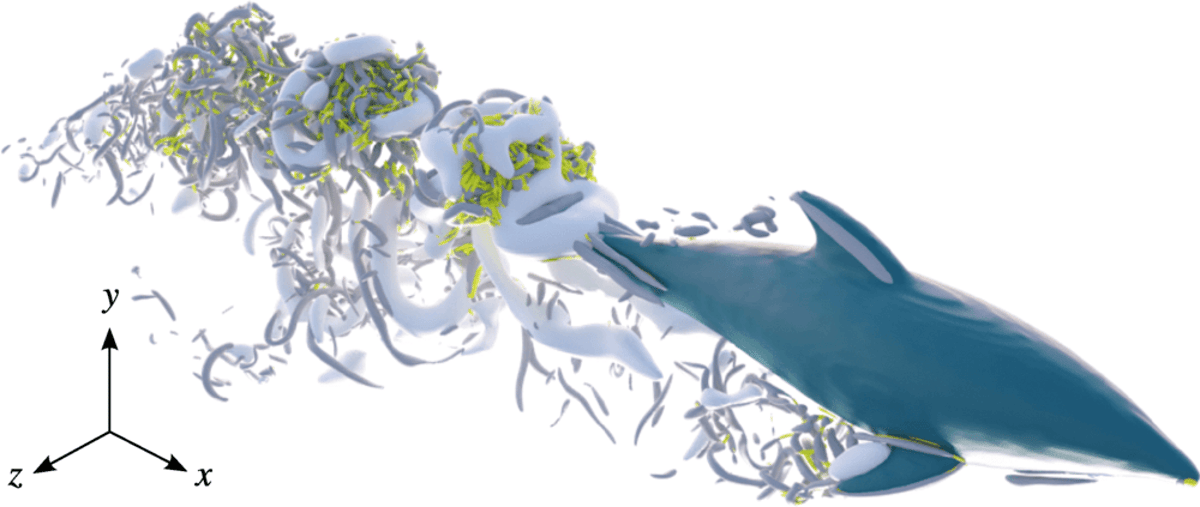
On Dolphin Turbulence
A new computational fluid dynamics study visualizes the turbulent flow generated by a dolphin’s tail fluke, revealing that large vortex rings shed from the tail provide the majority of thrust. Smaller vortices, produced by the cascade of larger structures, contribute...

Natural Killer Cells Appear Involved in Wet Macular Degeneration
Researchers have identified a distinct, functionally altered natural killer (NK) cell phenotype that correlates with the severity of neovascular, or "wet," age‑related macular degeneration (AMD). Plasma cytokine profiling of a large cohort revealed an imbalance of lymphocytic cytokines linked to...

An Aging Clock Based on Circulating Amino Acid Levels
Researchers introduced AmiAge, a biological age clock built on the concentrations of 18 circulating amino acids and powered by a Random Forest algorithm. The model was trained on more than 11,000 in‑house samples and over 270,000 publicly available profiles spanning...

Laser Focus: Controlled Formation of Protein Networks
Researchers at Osaka and Saitama Universities have demonstrated that a focused near‑infrared laser beam can assemble protein fibers into ordered networks inside living cells without chemical modification. The optical force generated by the laser concentrates protein molecules at the focal...

Fewer Animal Experiments Thanks to Virtual Mouse
Researchers at Switzerland's Empa have built an AI‑driven virtual mouse that predicts how nanomaterials distribute throughout a mouse body. The physiologically based pharmacokinetic (PBPK) model, trained on 18 published mouse studies, uses Bayesian MCMC and multivariate linear regression to adapt...
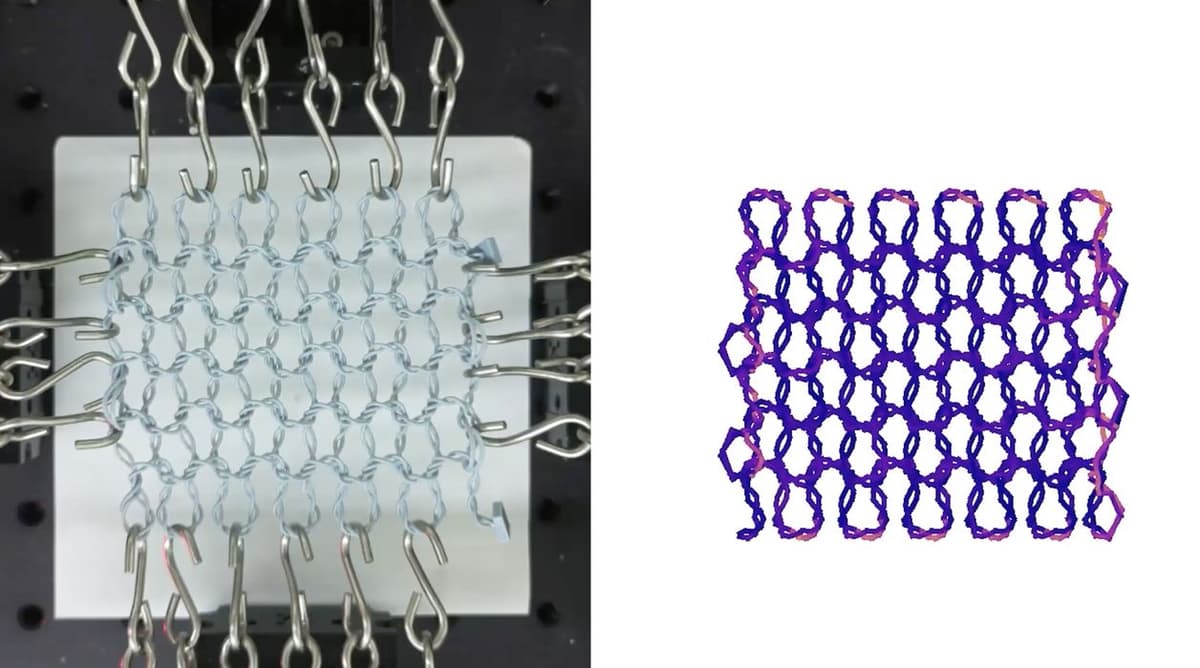
Multiscale 3D-Printed Knits Show Tunable Mechanics
Researchers have demonstrated multiscale 3‑D‑printed knit structures whose mechanical behavior is governed by loop entanglement rather than material stiffness. By controlling loop size, crossing angle, and local density, the printed fabrics can transition from soft cushioning to stiff, jammed states...

Crémieux: Viagra for Life Extension Does It Work? I'm Doubtful
Recent Mendelian‑randomisation studies examined whether phosphodiesterase‑5 (PDE5) inhibitors such as Viagra affect dementia risk. One 2025 analysis linked genetically proxied PDE5 inhibition to modestly higher odds of Alzheimer’s disease (OR 1.09) and a pronounced increase in Lewy‑body dementia (OR 1.32), while a...

The Mushroom Molecule That May Rewrite Aging: Ergothioneine Emerges as a Multi-Target Geroprotector
A new systematic review in Ageing Research Reviews positions ergothioneine (ET), a sulfur‑rich amino acid abundant in shiitake and other mushrooms, as a multi‑target geroprotector. The paper outlines how the OCTN1 transporter delivers ET to vulnerable organs and links its...

Why TAPCJD Is so Important
The Teleneurology Assessment Program in CJD (TAPCJD) offers newly diagnosed U.S. prion patients a way to contribute vital natural‑history data via remote assessments. With two drug‑targeting trials—PrProfile (2024) and PRiSM (2026)—already recruiting, robust longitudinal data are essential for trial design,...

New Peptides Slip Into Cells to Block Hard-to-Target Proteins
Researchers at EPFL’s Laboratory of Therapeutic Proteins and Peptides have created a high‑throughput platform to discover membrane‑permeable cyclic peptides. By synthesizing and screening a library of 15,360 fully random, sub‑1000‑Dalton peptides, they identified peptide 30 (890.6 Da) that penetrates cells and blocks...

A Pig Liver and Two Pig Kidneys Worked in a Human Body for Five Days
Chinese scientists reported the first successful bilateral kidney and whole liver transplant from a gene‑edited pig into a deceased human, keeping the xenografts functional for five days. The patient’s native liver was harvested for a living recipient while the pig...

A Microfluidics-Free Route to Encapsulating Cells Into Premade Uniform Hydrogel Microcapsules
Researchers at the University of Tokyo unveiled a microfluidics‑free technique called emulsion‑templated gel embedding (ETE) to encapsulate cells in uniform hydrogel microcapsules. The method uses pre‑made gelatin beads, a vortex mixer and simple temperature control, eliminating costly microfluidic hardware. In...
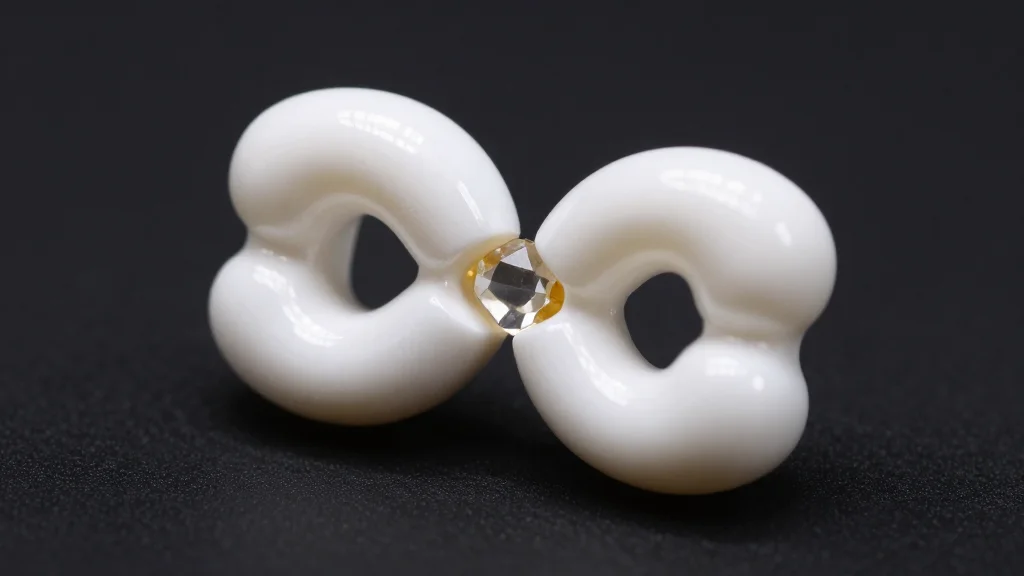
From Covalent to Noncovalent 14-3-3 Modulator, Unintentionally
Researchers at the University of Leicester discovered that an acrylamide‑based compound (compound 7) dramatically improves the binding affinity between estrogen‑receptor‑alpha and 14‑3‑3σ, shifting the K_D from 206 nM to 2.8 nM. Unlike the previously studied covalent warhead WR‑1065, compound 7 does not form a...

Deprenyl - Anti-Aging Drug Proven Effective in Dogs
A new random‑effects meta‑analysis of 22 lifespan experiments across mice, rats, hamsters and dogs finds that the FDA‑approved MAO‑B inhibitor L‑deprenyl (selegiline) modestly extends average lifespan, with a standardized mean difference of 0.68 (p = 0.0002). The benefit varies widely, driven by...
Parkinson's Disease
Recent pre‑clinical studies show that capsaicin, the active component of chili peppers, can increase dopaminergic neuron numbers and tyrosine‑hydroxylase expression in mouse and rat models of Parkinson’s disease. The neuroprotective effect appears to be mediated by TRPV1‑dependent reductions in microglial...

Photosynthes-Eyes: Spinach-Based Therapy Offers Hope for Dry Eyes
Scientists at the National University of Singapore have engineered a nanosized eye‑drop called LEAF, derived from spinach thylakoid membranes, that generates NADPH when exposed to ambient light. The 400 nm particles boost antioxidant production, rapidly normalising reactive oxygen species in cultured...

Viewpoint: Scientists Recently Revised Downward the Likelihood of Catastrophic Global Warming. Reassured? You Shouldn’t Be.
A new study in *Nature* led by Jana Sillmann of CICERO re‑examines climate risk at the 2 °C warming threshold. The researchers modeled flooding, drought in key agricultural zones, and forest fires, finding that individual simulations can predict more severe outcomes...

London Calling: Long-Term R&D
Oxford Nanopore’s recent Tech Talk outlined long‑term R&D directions, from scalable flowcells with hundreds of thousands of channels to faster motor proteins that could double sequencing speed. The company highlighted new pores that improve accuracy at lower coverage and a...

Pfizer’s BRAFTOVI Regimen Nearly Doubles Median Progression-Free Survival in Metastatic Colorectal Cancer
Pfizer reported that its BRAFTOVI (encorafenib) regimen combined with cetuximab and FOLFIRI halved the risk of disease progression or death in patients with BRAF V600E‑mutant metastatic colorectal cancer. Median progression‑free survival more than doubled to 15.2 months versus 8.3 months for...

Italy Turns to Tall Ship to Simulate Stresses of Long-Duration Spaceflight
The Italian Space Agency (ASI) has launched its ICE‑BLUE program, sending naval academy students aboard the historic tall ship Amerigo Vespucci for a 107‑day isolation study that mimics long‑duration spaceflight. The experiment, coordinated with the Italian Institute of Technology, will...

On KRAS Inhibitors and Why Potency Doesn’t Equal Durability
The latest ASCO data on second‑generation KRAS inhibitors reveal that higher potency does not automatically translate into longer patient responses. While first‑gen G12C agents such as sotorasib showed modest durability, new G12D compounds demonstrate improved binding but still face resistance...
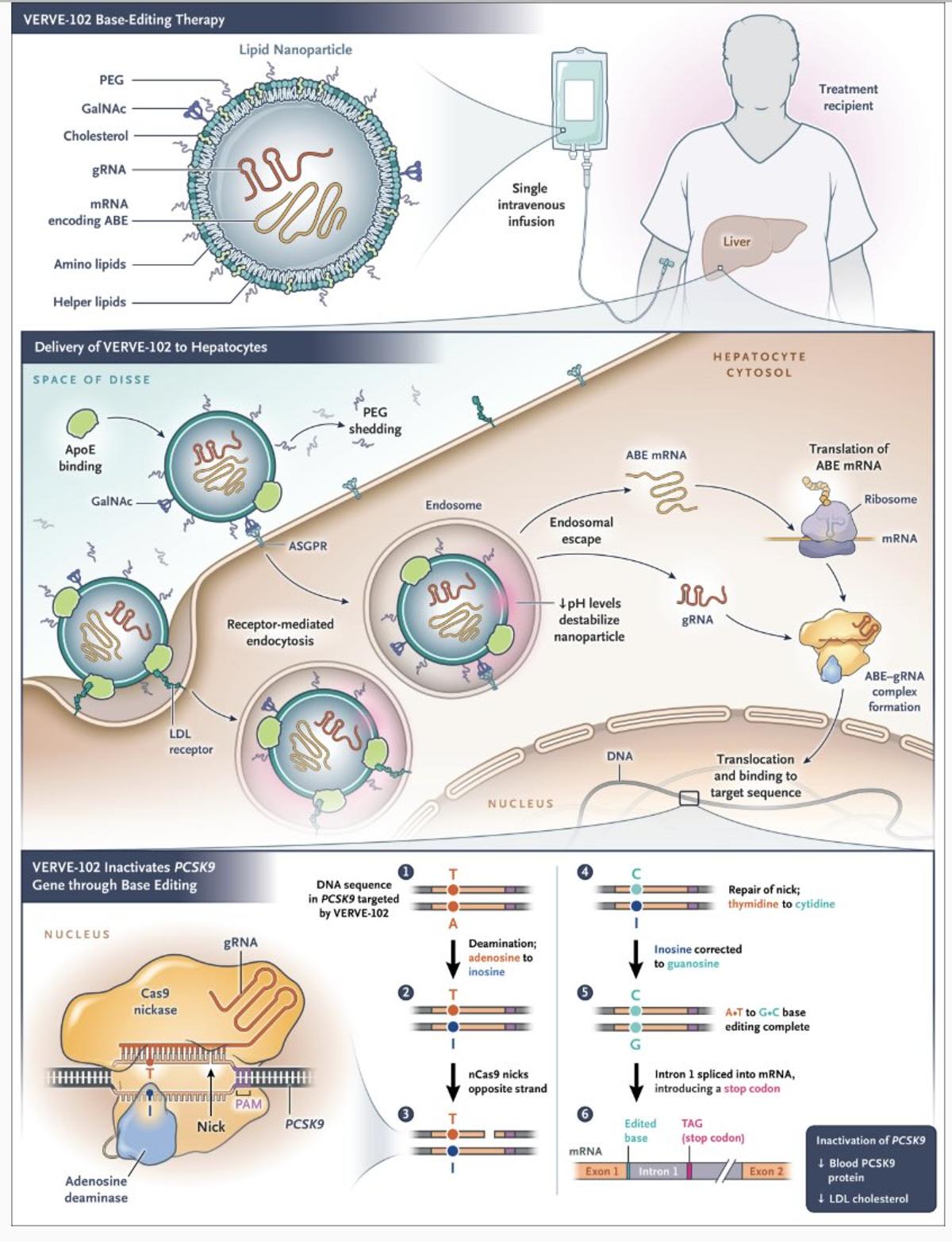
Weekly Reads: Effective LDL Gene Editing, Chinese Genetics Guidelines, Human Embryo Models in Space
A single‑infusion base‑editing drug (VERVE‑102) lowered LDL cholesterol in a small human study, sparking talk of a potential one‑time cure for high cholesterol. Parallel research unveiled universal transcriptomic aging clocks that can forecast mortality, advancing precision longevity metrics. Meanwhile, China...
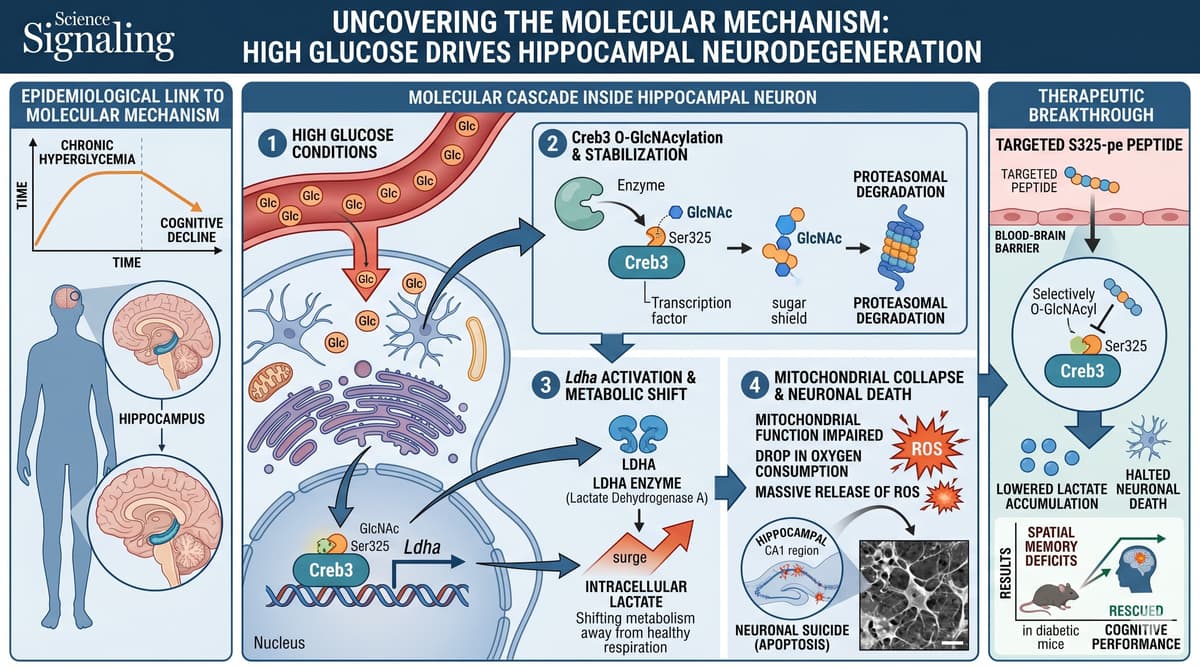
The Sugar Brain Drain: How Diabetes-Induced Lactate Accumulation Triggers Cognitive Decline
A new study in Science Signaling reveals that chronic high blood sugar drives a metabolic cascade in hippocampal neurons, leading to excess lactate production and cognitive decline. The researchers identified O‑GlcNAcylation of transcription factor Creb3 at Ser325 as the trigger...
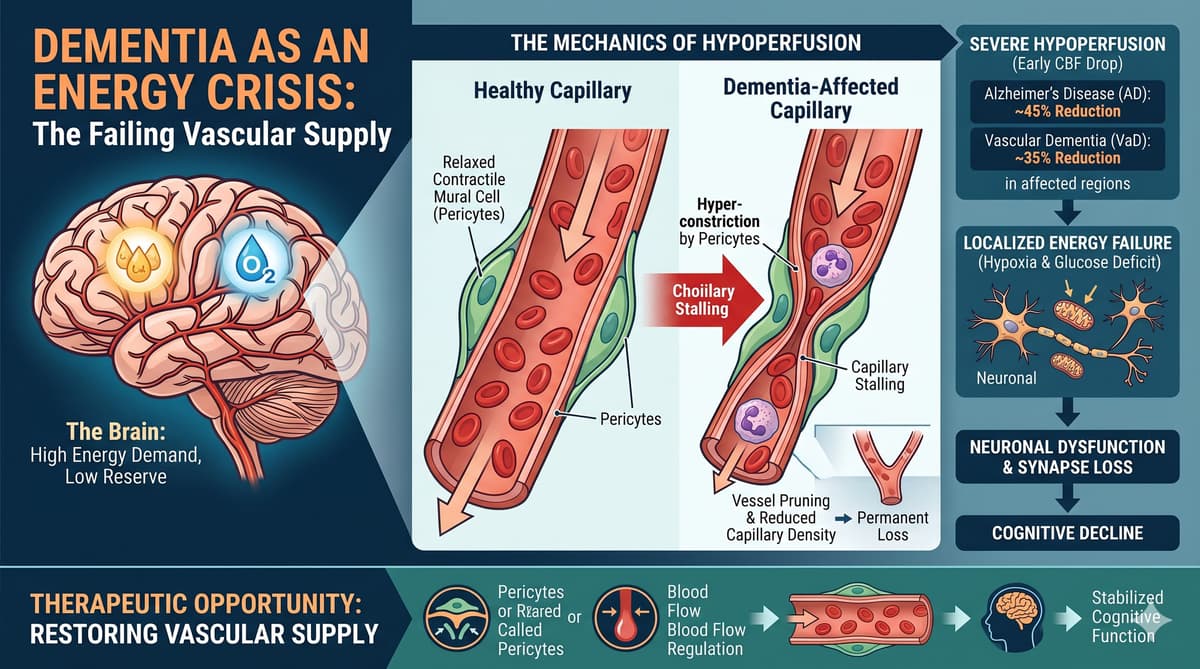
The Brain's Broken Plumbing: Why Diminishing Blood Flow Drives Dementia
A new review from University College London argues that declining cerebral blood flow, not amyloid or tau, is the primary driver of Alzheimer’s and vascular dementia. The authors show blood flow falls 0.3‑0.5% per year, reaching a 45‑50% deficit in...
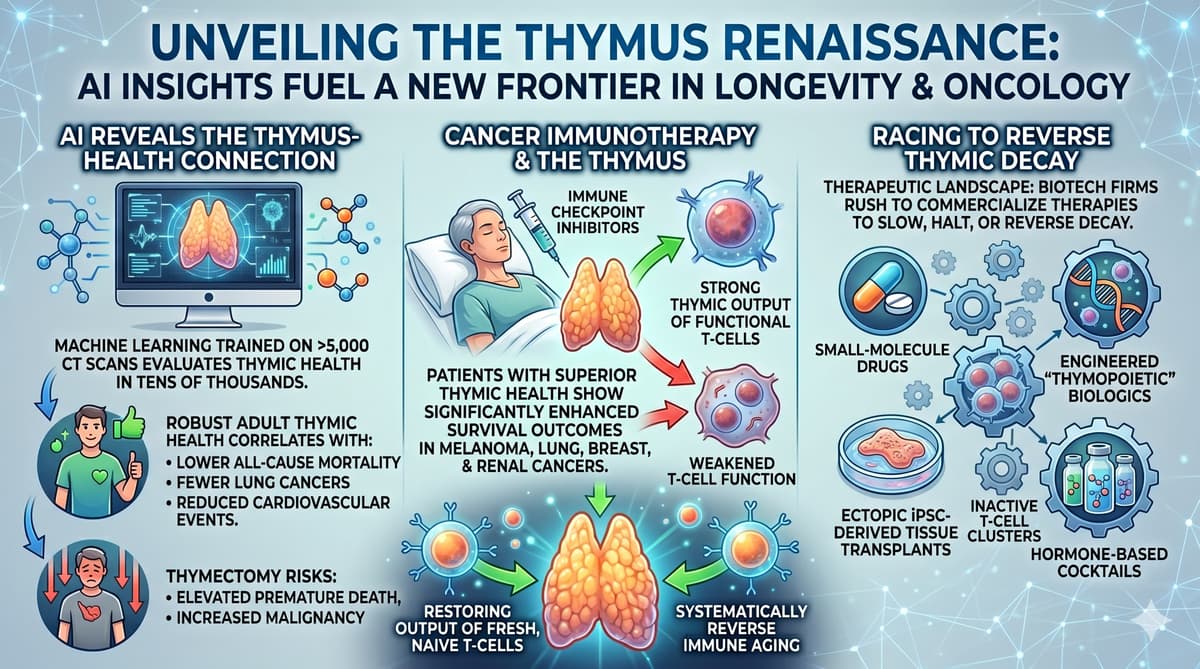
The Thymus Renaissance: Reawakening the Body's Forgotten Immune Engine for Longevity
Decades of belief that the adult thymus is vestigial have been overturned by large‑scale AI analyses of thousands of CT scans, which show that preserved thymic tissue strongly predicts lower all‑cause mortality, fewer lung cancers, and reduced cardiovascular events. A...
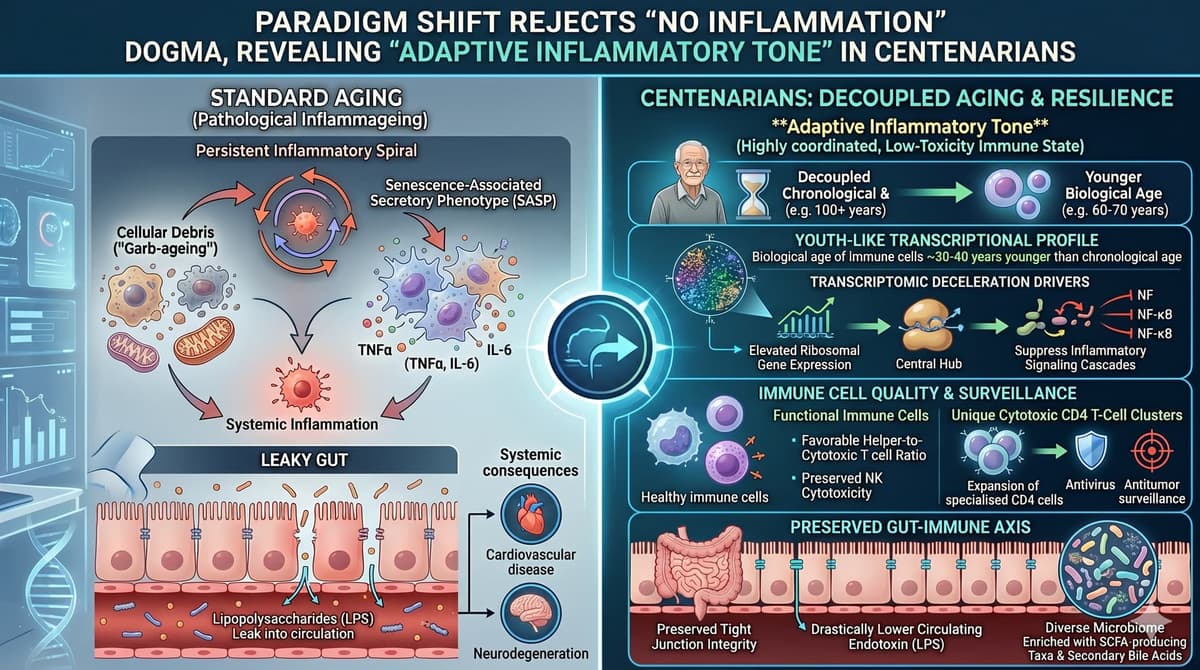
The Century-Old Immunome: Learning From the Adaptive Shield of Human Centenarians
The article outlines translational strategies to mimic centenarians’ elevated RNASEH2C activity, which clears cytoplasmic RNA:DNA hybrids and dampens chronic inflammation. It proposes four therapeutic levers: epigenetic maintenance to prevent RNASEH2C hyper‑methylation, delivery of centenarian‑derived extracellular vesicles, upstream protection of mitochondrial...
ENZAMET Trial Shows Veracyte’s Decipher Prostate Test Identifies Which Patients Benefit From Adding Chemotherapy in Metastatic Prostate Cancer
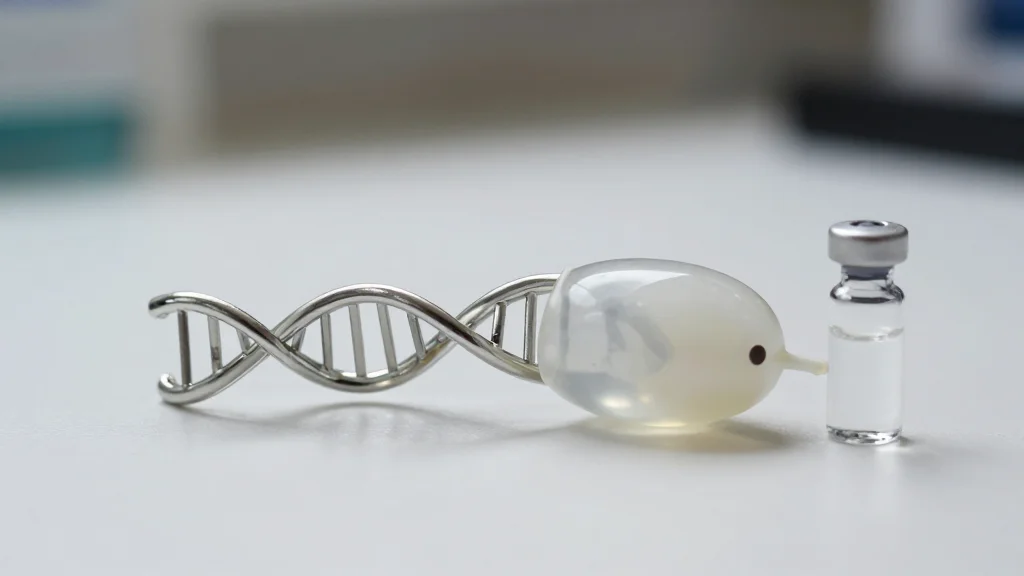
Veracyte’s Decipher Prostate genomic test was shown in the ENZAMET Phase III trial to predict which men with metastatic prostate cancer benefit from adding docetaxel to standard ADT + enzalutamide therapy. Patients with high Decipher scores (>0.85) and high‑volume disease experienced significantly better...

Tune Therapeutics Presents Positive Phase 1b/2a Proof of Concept Data on TUNE-401: A First-in-Class Epigenetic Silencer for Patients with Hepatitis...
Tune Therapeutics reported Phase 1b/2a data for TUNE‑401, an IV‑delivered LNP‑RNA epigenetic silencer, at the EASL 2026 Congress. The study showed dose‑dependent, durable repression of all key HBV biomarkers, including direct loss of cccDNA‑derived pgRNA and HBeAg in a subset of...

Stem Cell Therapy & Regenerative Medicine: 2026 Clinical Evidence Guide
Mesenchymal stem cells (MSCs) are now classified as immunomodulatory biologics that act through a secretome of exosomes, cytokines, and growth factors rather than direct tissue engraftment. The 2026 clinical consensus highlights strong evidence for intra‑articular cartilage repair, graft‑versus‑host disease resolution,...

NASA’s Webb Reveals Black Hole That Formed Before Its Galaxy
Using the James Webb Space Telescope, astronomers directly measured a supermassive black hole in the early universe, estimating its mass at roughly 50 million solar masses. The black hole, observed in the lensed object Abell2744‑QSO1 (a "Little Red Dot"), accounts for...

Targeting Astrocyte Behavior to Treat Neurodegeneration
Researchers reported two astrocyte‑focused strategies that reverse age‑related cognitive decline in mice. A small‑molecule histone deacetylase inhibitor, LASSBio‑1911, dampens inflammatory astrocyte activation and protects synapses in an amyloid‑beta toxicity model. Separately, adeno‑associated virus‑mediated overexpression of the extracellular matrix protein Hevin...

Tempus Receives FDA Approval for Tumor Only xT CDx, Enabling Migration of Its Entire DNA Solid Tumor Portfolio
Tempus AI announced that the FDA has approved its xT CDx next‑generation sequencing platform for a tumor‑only indication, making it the first lab to hold companion diagnostic clearance for both tumor‑only and tumor‑normal comprehensive genomic profiling. The 648‑gene assay can now...

Seven-Year Analysis From Pfizer’s LORBRENA CROWN Trial Shows Longest Progression-Free Survival Reported to Date in Advanced Non-Small Cell Lung Cancer
Pfizer reported seven‑year follow‑up from the Phase 3 CROWN trial, showing that lorlatinib (LORBRENA) achieved a 55% progression‑free survival (PFS) rate versus just 3% for crizotinib (XALKORI). Median PFS was not reached for LORBRENA, translating to an 81% reduction in risk...
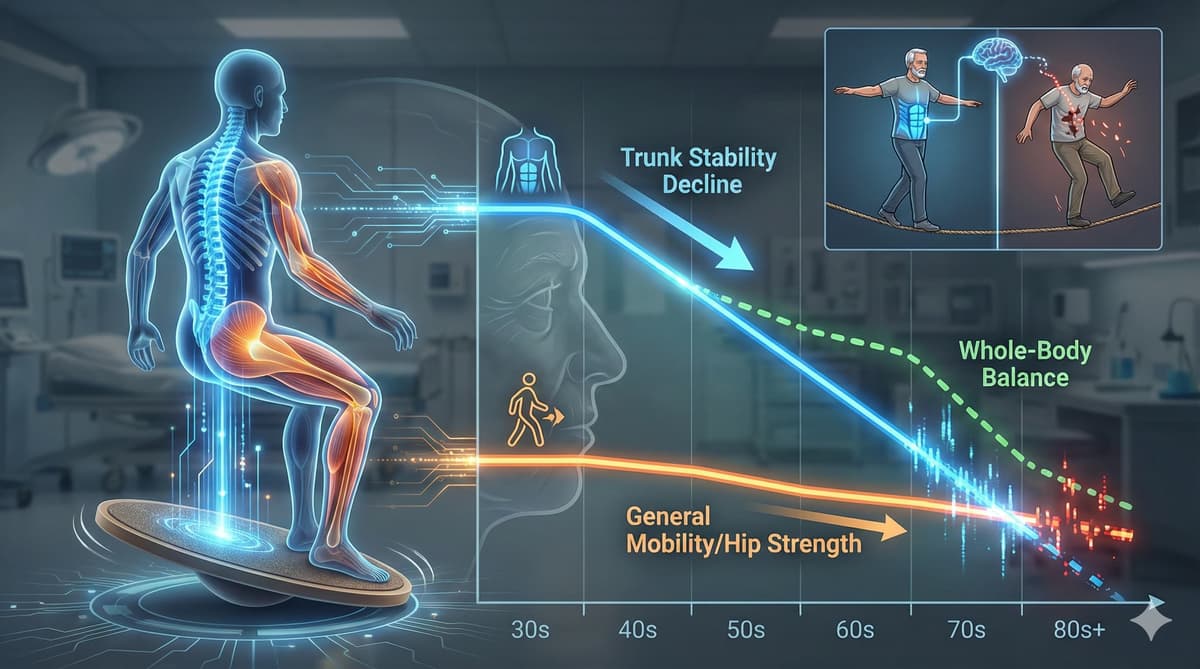
Core Stability: The Silent Biomarker of Aging That Outpaces Mobility and Strength
A new “Neuromuscular Core Calibration” protocol recommends unstable‑surface training to restore age‑related loss of core proprioception. Meta‑analyses define a minimum effective dose of 2–3 weekly 20‑30‑minute sessions over six weeks, delivering measurable balance gains within 2–4 weeks and muscle density...

GSK Functionally Cures Hepatitis B, Lilly's $3.8B Vaccine Pivot, and Base Editing Holds for 18 Months – This Week in...
GSK and Ionis reported Phase 3 data showing bepirovirsen achieved roughly a 20% functional cure rate in chronic hepatitis B, a potential paradigm shift for a disease affecting over 250 million people. Eli Lilly announced up to $3.8 billion in vaccine acquisitions targeting shingles,...
Humidity-Activated Optical Chip Reveals Hidden Images for Secure Data Storage
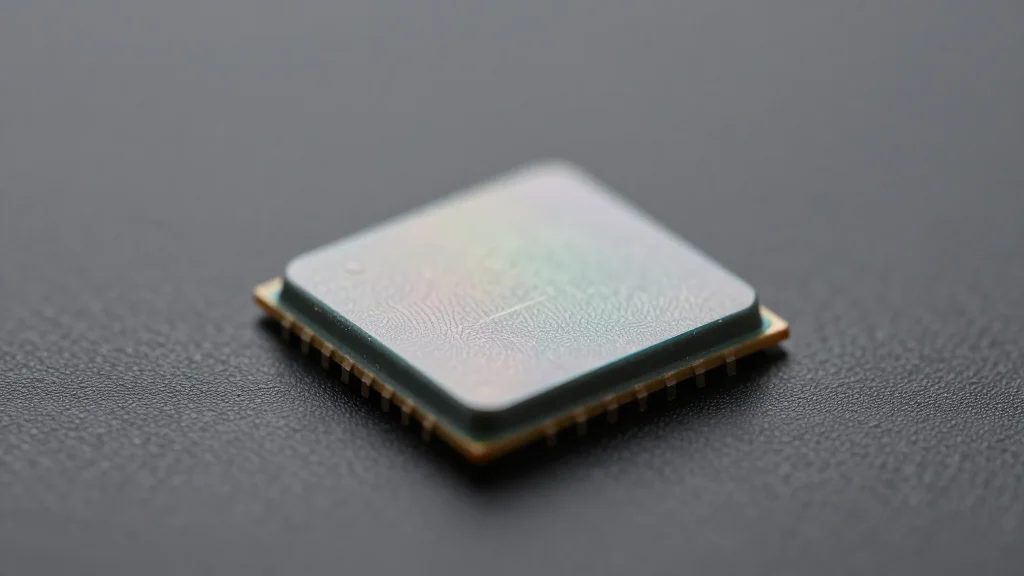
UC San Diego researchers have created a postage‑stamp‑sized optical chip that switches between hidden images and colors in response to humidity. The bilayer device combines a laser‑writeable antimony trisulfide phase‑change layer with a swelling hydrogel top layer, enabling reversible data storage within...

Light-Switchable Molecules Could Tune Spin Waves in 2D Magnets
Researchers propose a light‑switchable molecular layer to program spin‑wave propagation in 2D magnetic CrSBr. The iron‑based spin‑crossover molecule Fe‑pz expands under illumination, straining the CrSBr lattice and shifting magnon bandgaps. Computational models predict that a periodic array of twenty molecular...

The European Haemophilia Consortium on Innovation and Patient Access
The European Haemophilia Consortium (EHC) represents patient organisations from 49 European nations, advocating for equitable access to bleeding‑disorder treatments. CEO Olivia Romero Lux highlighted the shift from plasma‑derived products to recombinant factors, non‑factor therapies and gene therapy, while noting persistent gaps...

Can Flies Reveal a Bit About Our Guts, Brains, and Obesity?
A new Science paper reveals that fruit flies use a gut‑derived peptide, CNMa, to signal essential amino‑acid deficiency, prompting a targeted appetite for those nutrients while suppressing sugar cravings. The gut‑brain circuit involves rapid neuronal signaling and a slower hormonal...
Study Tests Recycled FGF Polymers For Dental Models
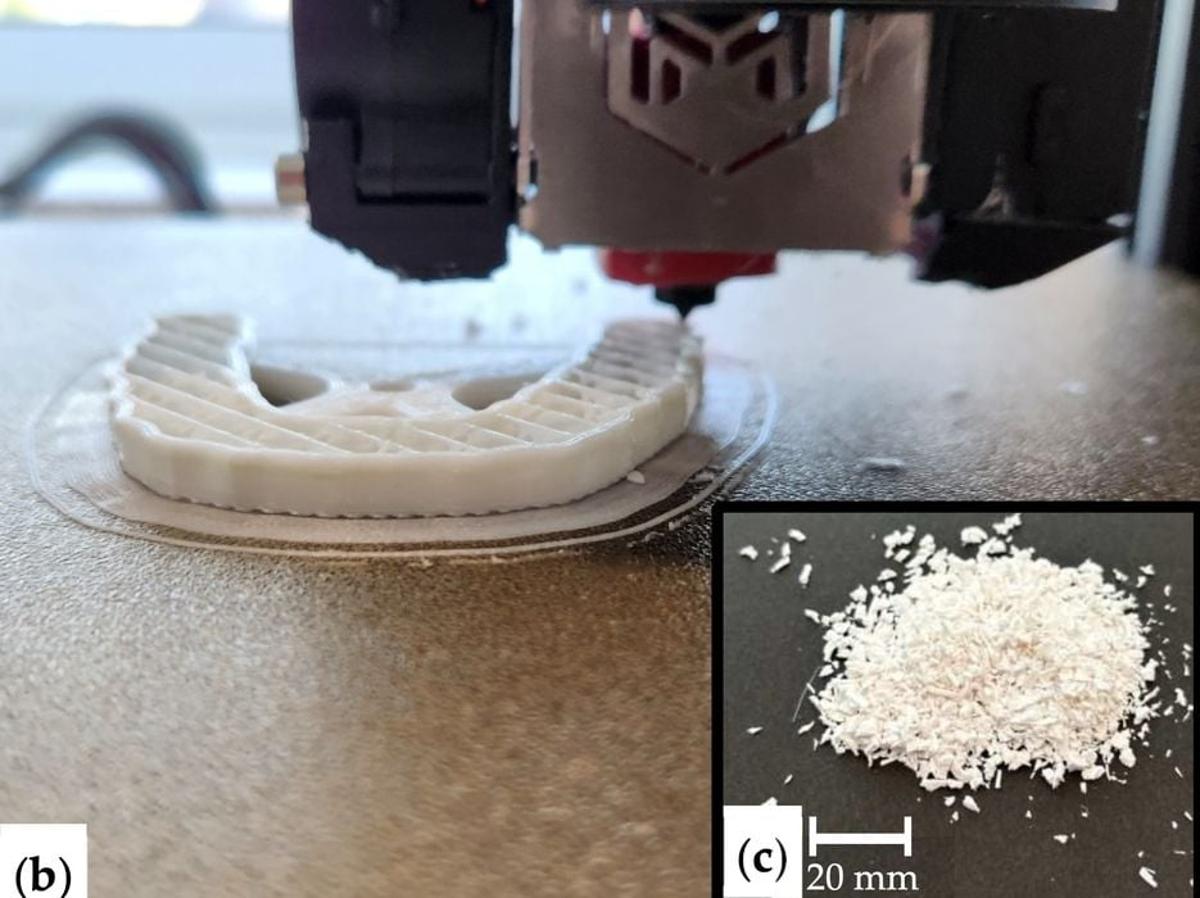
A recent Bioengineering study shows that pellet‑based Fused Granular Fabrication (FGF) can produce dental and orthodontic models using recycled polymers, offering a cheaper and greener alternative to traditional resin‑based SLA/DLP printing. The researchers evaluated dimensional fidelity, surface quality, print speed...

Baby Brain Is Not a Brain Problem: Evidence
A Monash University study debunks the myth that pregnancy causes permanent brain damage, showing that the so‑called “baby brain” is an adaptive response to the cognitive overload of new parenthood. The research argues that interventions should focus on supporting parents...
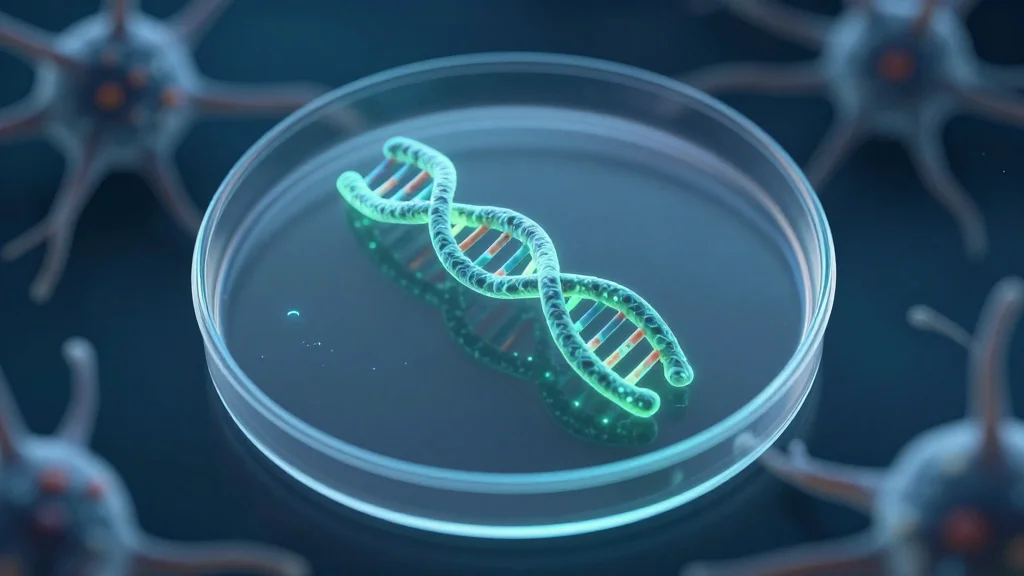
APOE2 Allele of APOE Makes Neurons More Resilient in Cell Cultures
A new open‑access study shows that neurons carrying the APOE2 allele activate DNA‑repair pathways, suffer less DNA damage and avoid senescence‑like changes compared with APOE3 and APOE4 cells. Using iPSC‑derived GABAergic and glutamatergic neurons, researchers observed smaller nucleoli, preserved nuclear...

Have We Been Missing Signs of Extraterrestrial Life?
A team of international astrobiologists published a study in Nature Astronomy warning that the search for extraterrestrial life may be plagued by false‑negative detections. Existing space missions focus on a narrow set of known biosignatures, risking the oversight of unconventional...
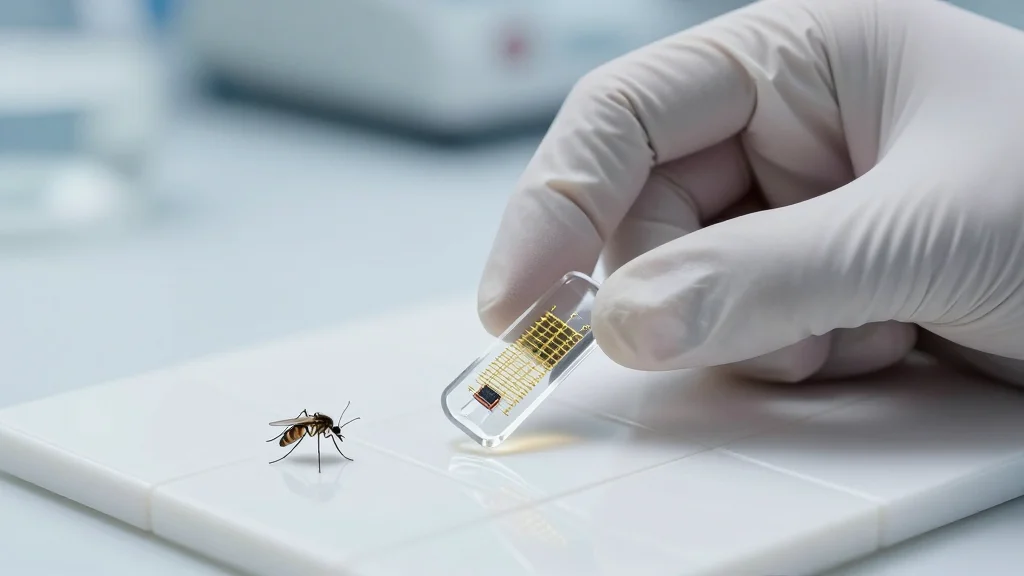
Floral-Scented Fungus (Engineered by Scientists) Lures Mosquitoes to Their Doom
Scientists at the University of Maryland have engineered a strain of Metarhizium fungus that releases the floral compound longifolene, luring mosquitoes and killing them within days. Laboratory tests showed 90‑100% mortality even in rooms with competing human and flower scents....

Arguing for the Desirability of Multi-Omics Aging Clocks
Machine‑learning models now generate biological aging clocks from diverse omics data, but most efforts still rely on single‑omic inputs such as DNA‑methylation. While early clocks like Horvath’s predict chronological age, newer clocks trained on mortality or disease outcomes show better...

Dust-Based Surveillance for Detecting Emerging Viral Outbreaks
Researchers at Ohio State University demonstrated that routine vacuum dust collection can serve as a rapid, low‑cost surveillance tool for indoor viral outbreaks. Analyzing nearly 30 dust samples from schools, dorms and offices, they identified 54 distinct viruses, including SARS‑CoV‑2,...
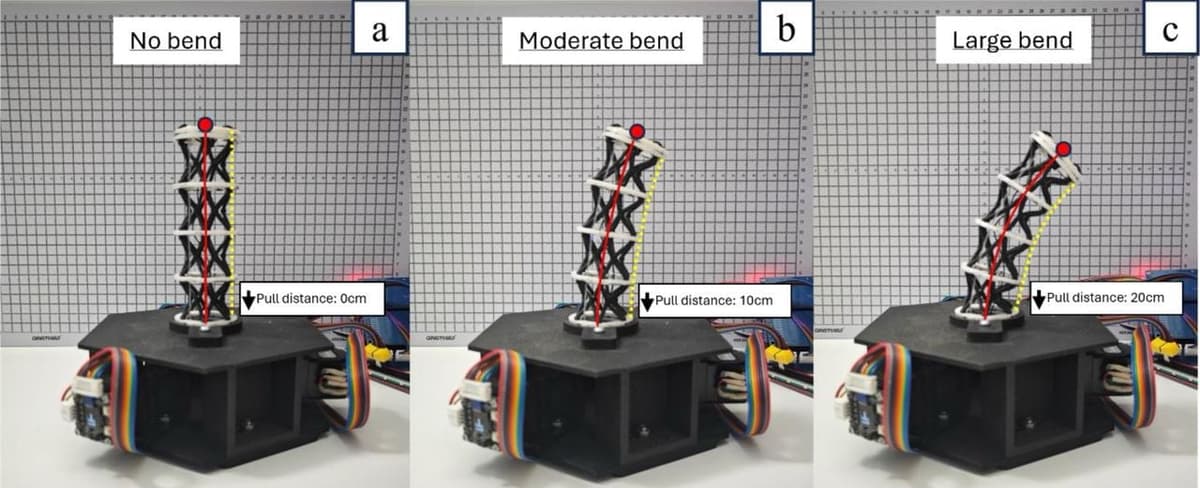
NTU 3D Prints Self-Sensing Soft Continuum Robot
Researchers at Nanyang Technological University have 3‑D‑printed sacrificial molds that enable a soft continuum robot to sense its own shape using a graphite‑PDMS conductive polymer composite. The robot’s embedded resistive network, read by a high‑frequency board, feeds a Conformer machine‑learning...
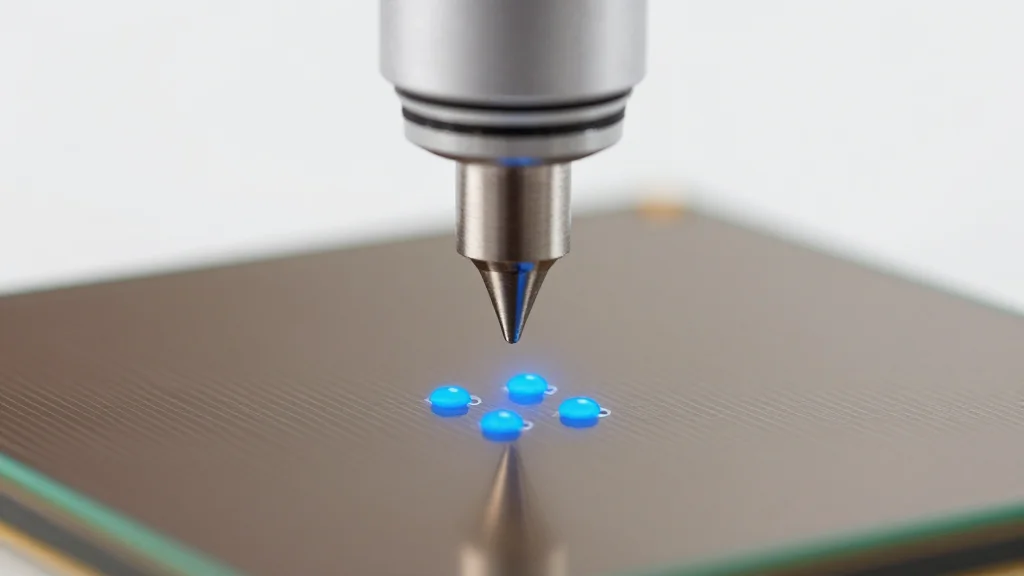
Atomically Precise Mechanosynthesis of Carbon Structures on Hydrogenated Si(100) by Inverted-Mode STM
Researchers have used an inverted‑mode scanning tunneling microscope to deposit carbon atoms onto a hydrogen‑passivated Si(100) surface with atomic precision. The technique allows single‑site carbon donation, spatially patterned multi‑site donation, and stepwise assembly of polyyne chains through controlled C‑C bond...