
Atomically Precise Mechanosynthesis of Carbon Structures on Hydrogenated Si(100) by Inverted-Mode STM
Researchers have used an inverted‑mode scanning tunneling microscope to deposit carbon atoms onto a hydrogen‑passivated Si(100) surface with atomic precision. The technique allows single‑site carbon donation, spatially patterned multi‑site donation, and stepwise assembly of polyyne chains through controlled C‑C bond formation. This mechanosynthetic approach demonstrates simultaneous spatial and chemical control, establishing a foundational capability for programmable atomically precise fabrication.

Laser Written Aluminum Surfaces Control Leidenfrost Droplet Motion
Researchers at the Chinese Academy of Sciences used femtosecond laser direct writing to pattern aluminum with alternating smooth strips and asymmetric ripple microstructures. The resulting heterogeneous surface forces water droplets into a hybrid boiling state—film boiling on smooth areas and...

Glass-Like Plastic Withstands 500,000 Folds without Creasing
Researchers have created a glass‑like plastic that survives 500,000 tight folds without creasing, offering a durable, transparent cover for foldable displays. The material combines an ultrahigh‑molecular‑weight polyethylene scaffold with a silica‑rich silsesquioxane network, yielding a hardness of 1.1 GPa and 92%...

The Biotech Bi-Weekly: Unveiling a New Brain Organoid Assay, Advancing Epigenomics Research and Building an Infectious Disease Research Portfolio
This week’s biotech roundup spotlights several high‑impact product launches and strategic deals. 28bio introduced the CNS‑3D Induced Alzheimer’s Model, a brain organoid assay that mimics neuroimmune interactions and tau pathology. Sino Biological and Araceli Biosciences unveiled AI‑ready protein synthesis and...

Seeing Stars: Juicing up JWST with 5000x Magnification
A new arXiv paper leverages JWST’s deep GLIMPSE observations of the galaxy cluster Abell S1063 to identify four individual stars at redshifts as high as 3.72, roughly 12 billion years in the past. Gravitational‑lens magnifications reach nearly 5,000×, allowing the detection of...

From Pore Chemistry to Carbon Capture: COFs Push Beyond Membrane Performance Limits
Researchers at Tohoku University have created heteroatom‑engineered covalent organic framework (COF) mixed‑matrix membranes that break the longstanding CO₂ permeability‑selectivity trade‑off. The oxygen‑rich COF (TUS‑621) embedded in a Pebax polymer delivers CO₂/CH₄ performance that surpasses the 2008 Robeson upper bound and...

The Strange Quantum Property of Tomorrow's Insulator
Scientists at the University of Geneva and partners have directly observed the quantum metric—a geometric property governing electron motion—in a three‑dimensional topological insulator made of antimony and tellurium. The breakthrough follows the first measurement of the metric in a different...

The Lily Foundation’s Strategy to Transform Mitochondrial Disease Research
The Lily Foundation, created after founder Liz Curtis lost her daughter Lily to a mitochondrial disease, is tackling the rare disorder’s diagnostic and therapeutic gaps. It funds patient‑focused support, backs early‑stage research, and sponsors a precision‑diagnostics project that uses advanced...

More Epidemiological Evidence for the Recommended Level of Exercise to Be Too Low
A new accelerometer‑based cohort study finds that the widely‑cited 150 minutes per week of moderate‑to‑vigorous physical activity (MVPA) yields only an 8‑9% reduction in cardiovascular disease (CVD) risk. To achieve a substantial >30% risk reduction, participants needed roughly 560‑610 minutes of MVPA...

PACU Hosts 1,000 Phase Shifters for Scalable Quantum Control
QuiX Quantum unveiled the Photonic Assembly Control Unit (PACU), a 3U rack‑mount system that can host up to 1,000 low‑speed and 32 high‑speed phase shifters for photonic quantum computers. The unit standardizes the interface between classical electronics and photonic chips,...
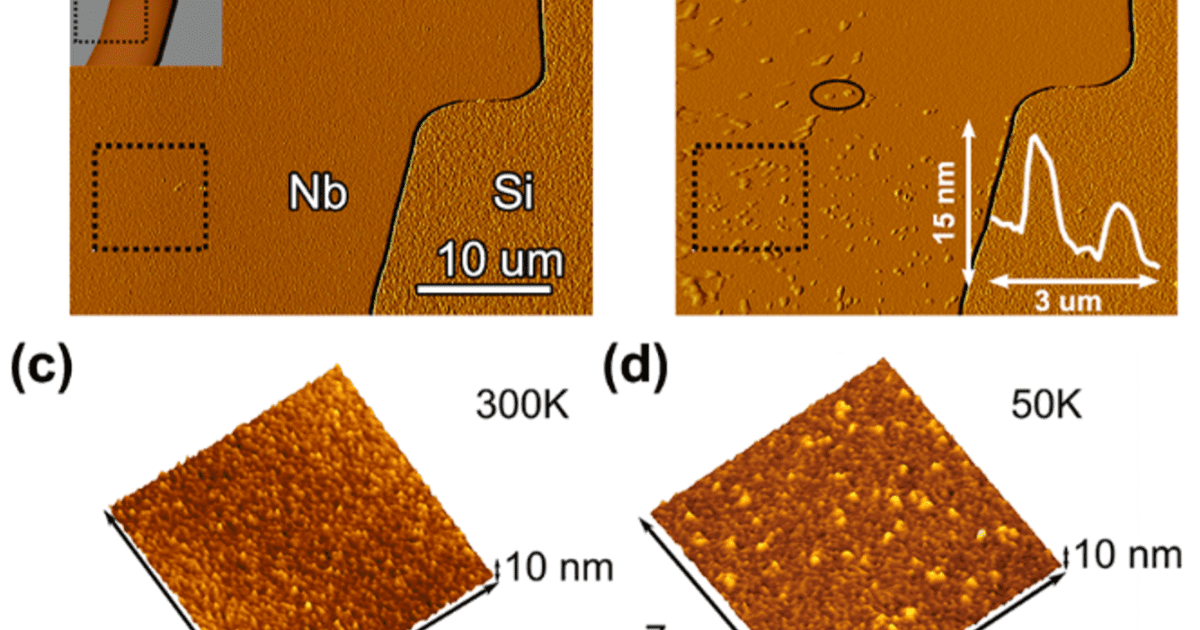
X-Ray Data Confirms Niobium Hydrides Limit Qubit Stability
Researchers at Fermilab, led by Zu Hawn Sung, identified niobium hydrides as the source of surface “hills” that cause decoherence in superconducting qubits fabricated by Rigetti. Using atomic‑force microscopy, X‑ray diffraction and mass spectrometry, they showed the hydrides form as...
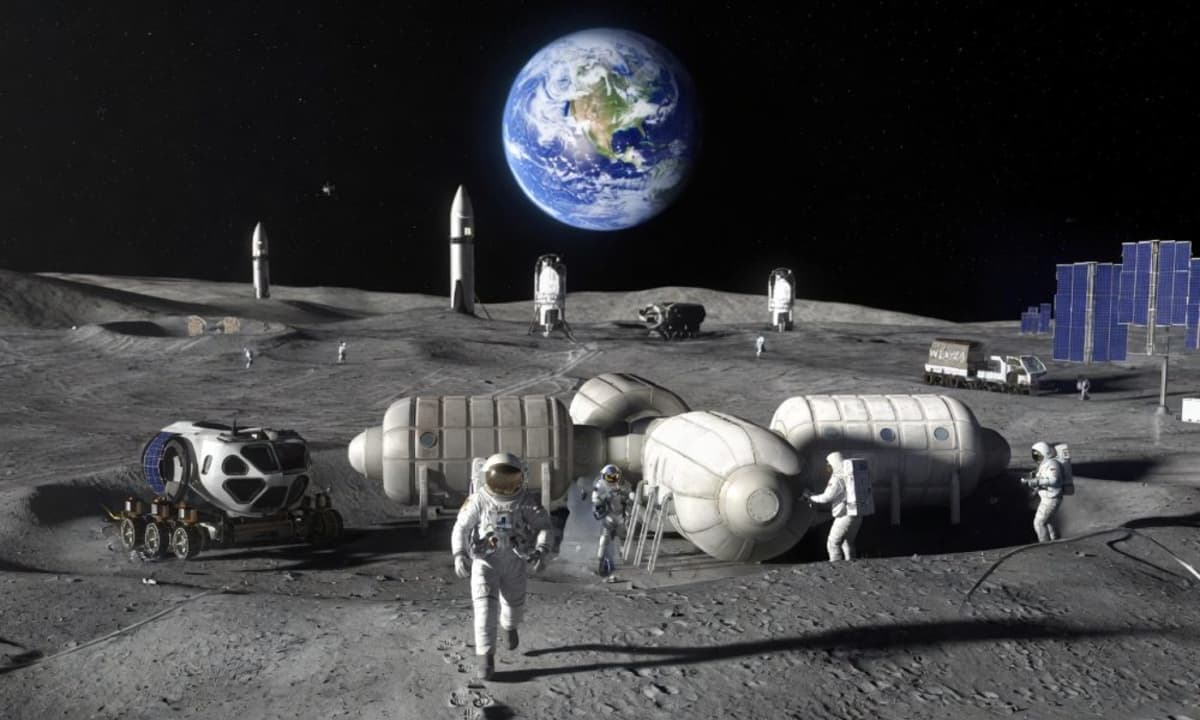
NASA’s First Human Outpost on the Moon Starts Now – SpaceX on Deck
NASA unveiled a three‑phase Moon Base plan that will establish a permanent outpost near the lunar south pole by the early 2030s. The first three missions—Moon Base I, II and III—are slated for launch before the end of 2026, using...
Matt Kaeberlein's New Longevity Science Podcast / Youtube Channel (May, 2026)
Dr. Matt Kaeberlein’s Longevity Science podcast provides a biochemistry‑focused audit of the burgeoning peptide market, clarifying that true peptides are short amino‑acid chains and excluding compounds like NAD+ and rapamycin. He evaluates leading peptides—synthetic mitochondrial agent Elamipretide and the popular...

Cardiovascular Health 2026
A massive Mendelian randomization analysis of 173,082 genetic exposures and over one million survival records shows that higher lifelong LDL‑cholesterol directly shortens lifespan. A one‑standard‑deviation rise in LDL (≈38.7 mg/dL) cuts overall life expectancy by about 1.21 years and reduces the odds...

ORCA’s PT Series Quantum Systems Join Digital Realty Innovation Lab
ORCA Computing has placed its PT Series photonic quantum systems in Digital Realty’s newly launched London Innovation Lab, allowing enterprises to test quantum and AI workloads in a standard data‑center environment. The PT Series operates without cryogenic cooling, enabling seamless...
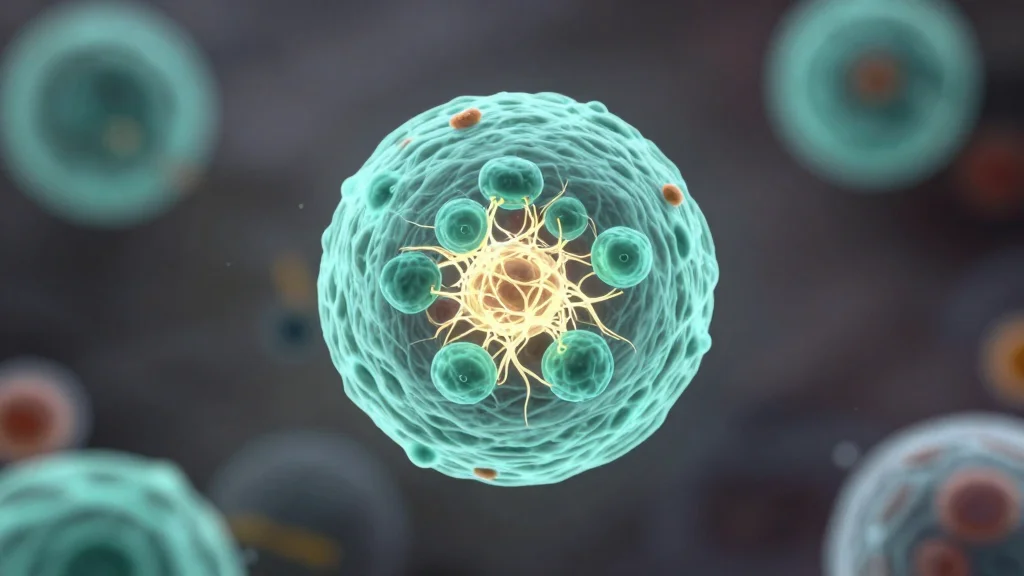
Self-Assembling Peptide Helps Liver Cancer Drugs Escape Lysosome Traps
Researchers engineered a self‑assembling peptide, RS‑FS, that remains as nanospheres in blood but converts to nanofibers inside the acidic, reducing environment of hepatocellular carcinoma lysosomes, where it damages the organelle and frees trapped drugs. In mouse models, RS‑FS combined with...

Synthetic Spider Silk: The Hype of Biotech Vs. The Hard Reality of Scale
Synthetic spider silk is attracting hype as a sustainable, high‑performance fiber, but production remains at kilogram‑scale while the global fiber market runs in hundreds of millions of tons. Companies such as Bolt Threads and Spiber can make the protein, yet...

Tau Protein Is Crucial for Encoding Long-Term Memory
Scientists have shown that the tau protein, long associated with Alzheimer’s pathology, is required for encoding long‑term memories. In tau‑deficient mice, recent recall remains intact while remote recall is impaired, a deficit rescued by re‑expressing tau only during the learning...

Predicting Volcanic Eruptions
Researchers have deployed an automated system called Jerk at Piton de la Fournaise, France, achieving 92% accuracy in forecasting eruptions. The tool analyzes real‑time subtle ground movements caused by magma fracturing rock, delivering warnings from minutes to hours before an...

Discovery of a P-Wave Magnet in a Metal
Physicists at RIKEN have experimentally confirmed a p‑wave magnet in a metallic crystal, marking the first observation of this exotic helical spin order in a conductor. The discovery follows a 2024 theory that predicted such a state and arrives just...

The Ebola Virus
Ebola remains one of the deadliest viral diseases, with an average case‑fatality rate around 50 percent and outbreaks that can surge quickly in Central Africa. The 2026 Bundibugyo‑variant outbreak in the eastern Democratic Republic of the Congo has produced over 800...
Peptides / Bioregulators
Therapeutic peptide development has accelerated over the past decade thanks to new synthesis, modification, and analytical platforms, positioning peptides as a fast‑growing drug class. While FDA‑approved peptides remain limited to GLP‑1 analogues and a handful of niche indications, a flood...
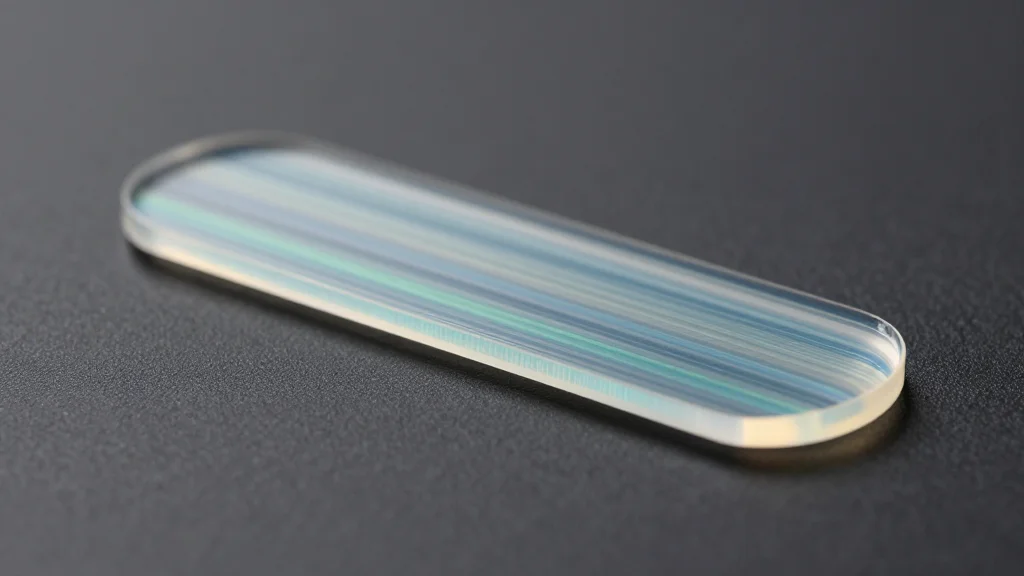
3D Printed Polymers Gain Ordered Nanostructures During Fabrication
Researchers unveiled a new resin strategy called Polymerization‑Induced Arrangement of Nanostructures with Order‑tunability (PIANO) that lets light‑based 3D printers create ordered block‑copolymer domains during curing. By replacing permanent crosslinkers with ethylene glycol, the resin maintains chain mobility long enough for...
2g/Day of DHA for 2 Years Has No Impact on Cognition or Hippocampal Volume (PreventE4)
The PreventE4 trial tested 2 g per day of DHA for two years in cognitively normal APOE ε4 carriers, achieving a significant rise in the CSF DHA‑to‑arachidonic‑acid ratio. Despite this biochemical target engagement, magnetic‑resonance imaging showed no change in hippocampal volume or...
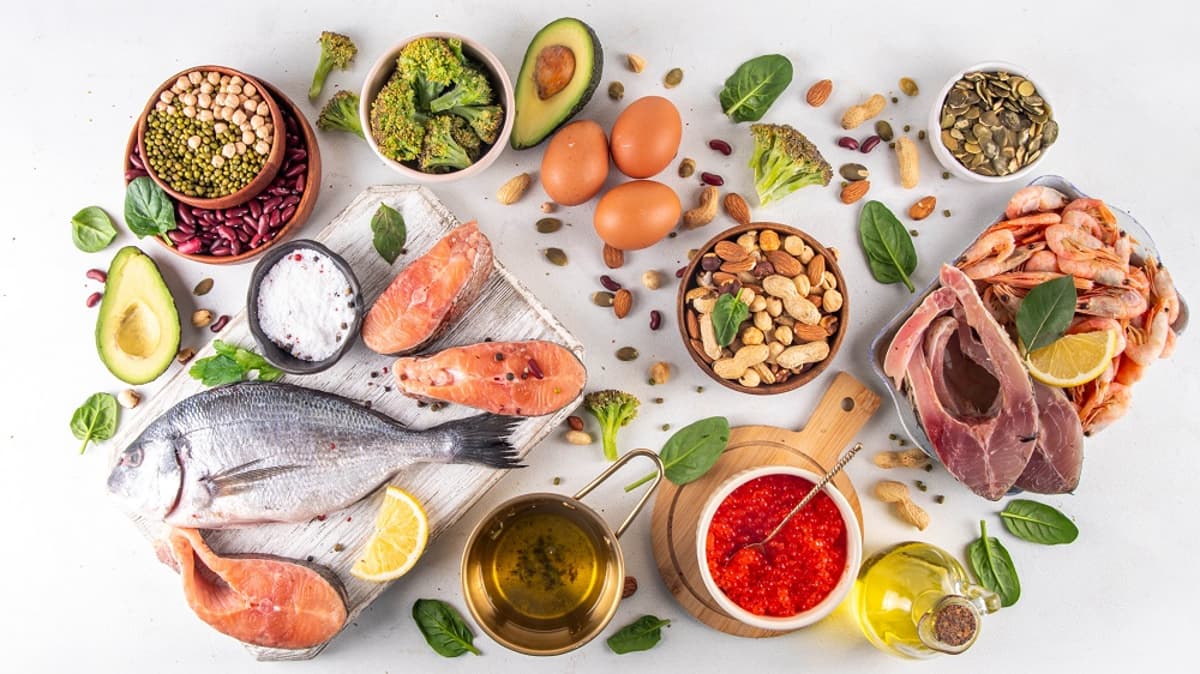
How Omega-3 Fatty Acids May Alleviate Kidney Disease
Researchers demonstrated that long‑term omega‑3 polyunsaturated fatty acid (PUFA) supplementation reduces cellular senescence and renal fibrosis in aged mice, improving key filtration markers such as albumin/creatinine ratio. The benefit hinges on activation of the fatty‑acid receptor FFAR4, whose expression declines...

Herring Spawn
From mid‑February to early May, Pacific herring gather along Vancouver Island’s shallow coasts to spawn, releasing sticky eggs and milt that turn the water turquoise‑green. The dense spawn clouds are bright enough to be captured by Earth‑observation satellites, offering a...

Fragments in the Clinic: VVD-214
Vividion’s covalent WRN inhibitor VVD‑214 evolved from a vinyl‑sulfone fragment hit (compound 1a) to a clinically viable candidate through a series of empirical SAR steps. Introducing a methyl group (2a) boosted stability and sub‑micromolar cellular potency, while a tert‑butyl cyclopentyl...
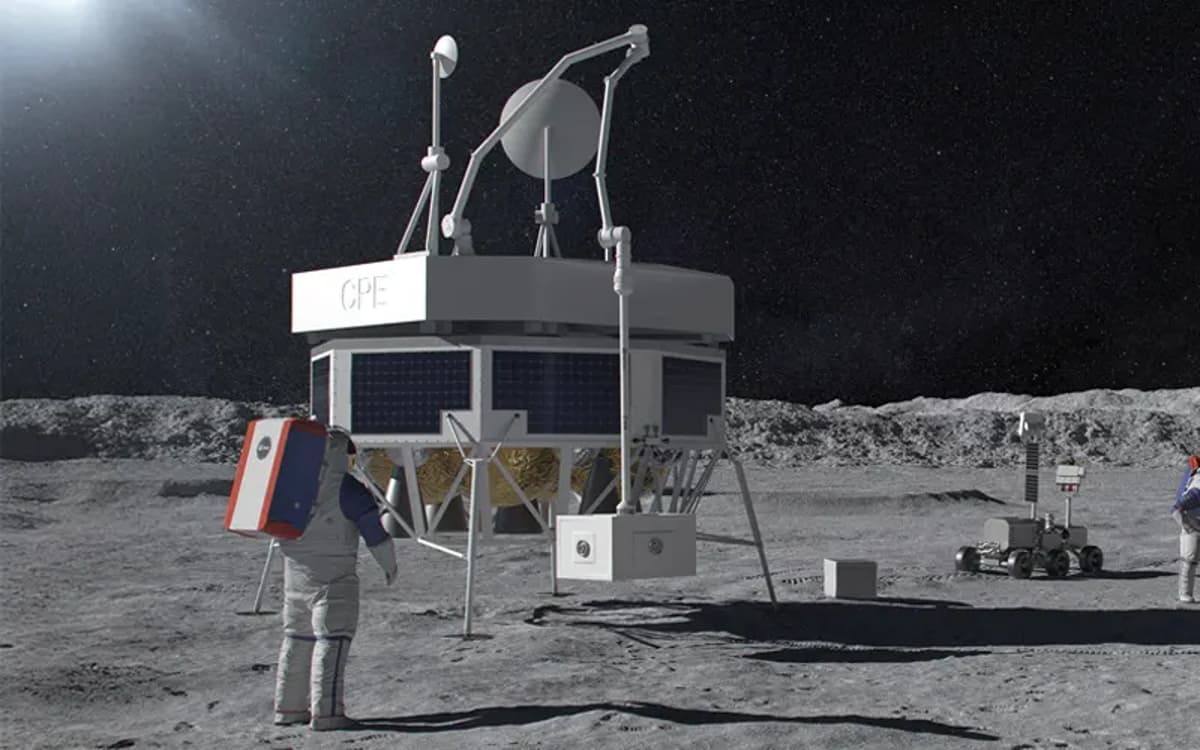
Redwire Delivers Argonaut Robotic Arm Prototype
Redwire has handed over a breadboard model of its MANUS robotic arm to the European Space Agency after a rigorous test campaign. The arm, built by Redwire’s Luxembourg subsidiary, can load and unload cargo, transfer power and collect lunar regolith....

Sirtuin 6 Overexpression Reverses Age-Related Structural Changes in Nuclear DNA in Liver Cells
Researchers used a multi‑omics approach to show that aging in male mouse liver increases chromatin accessibility, driving inflammation and metabolic decline. Overexpressing the histone deacetylase SIRT6 via AAV vectors reversed these epigenetic alterations, restoring a youthful chromatin landscape. The reversal...
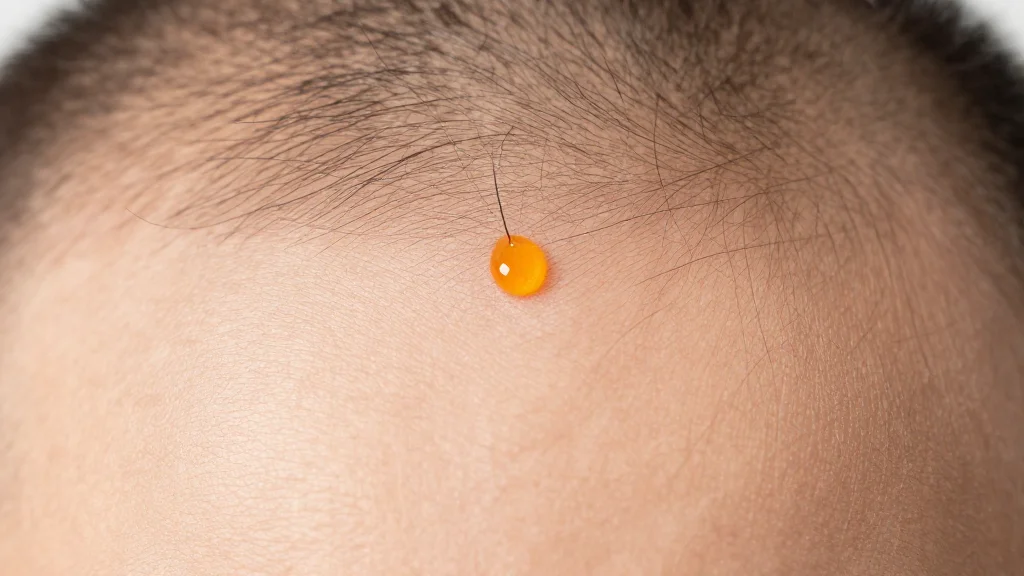
Clinical Trial Endpoint by Counting Hairs - Story of Clinical Trials in Androgenetic Alopecia (Hair Loss)
Veradermics announced that its extended‑release oral minoxidil (VDPHL01) met primary endpoints in a pivotal Phase 2/3 trial of 519 men with androgenetic alopecia. The study showed a mean increase of 30.3 hairs/cm² (once‑daily) and 33.0 hairs/cm² (twice‑daily) in non‑vellus target‑area hair...

Brainfood: Indigenous Edition
Recent research underscores Indigenous peoples’ pivotal role in genetic adaptation, animal domestication, and sustainable food systems. Andean populations exhibit a rapid rise in AMY1 salivary amylase gene copies, mirroring a 10,000‑year potato‑based diet. Horse domestication emerged as a prolonged, regionally...

Response to Rethinking Alzheimer’s Susceptibility and Heterogeneity
The authors reply to Miller et al.’s commentary on Alzheimer’s disease (AD) heterogeneity, emphasizing that susceptibility stems from a complex interplay of genetics, metal ion dysregulation, immune activation, and cellular stress. They expand the original model to include blood‑brain‑barrier permeability and...
Lifestyle Strategies and Mechanistic Implications for Slowing Neurodegeneration (Paper March 2026)
A 2026 narrative review in npj Metabolic Health and Disease by Gunning et al. evaluates four lifestyle interventions—intermittent fasting/ketogenic metabolic switching, calorie restriction, high‑quality diets (Mediterranean/MIND/DASH), and exercise—as strategies to slow neurodegeneration, especially Alzheimer’s disease. The authors map each intervention to...
Omega-3 Supplements May Increase Risk of Cognitive Decline, Scientists Warn
A new ADNI observational study of 273 older adults found that self‑reported omega‑3 supplement users experienced faster cognitive decline over a median five‑year follow‑up, with the only imaging change being reduced brain glucose metabolism on FDG‑PET. The researchers controlled for...
Deep Generative Molecular Design and Its Value in Modern Drug Discovery (Paper Feb 26)
The February 2026 review maps the rapid rise of deep generative molecular design in drug discovery, arguing that AI is moving from virtual screening toward the creation of new, testable drug hypotheses. It categorises the field into three technical families—graph‑based...

The Truth About Stem Cells: What Patients Are Not Being Told
Guest author Edward Clay, CEO of TAM Global, warns that many products marketed as stem cell therapy, especially minimally manipulated Wharton’s jelly, contain negligible numbers of living mesenchymal stem cells. Their study in the Journal of Translational Medicine found viability...

We’re Going to Steal the Moon (For Gravitational Waves)
A new Physical Review Letters paper demonstrates that the Moon’s thick crust can amplify deci‑hertz gravitational‑wave‑induced seismic signals. Using high‑resolution spectral element method (SEM) simulations together with normal‑mode perturbation theory, the authors find a 10‑20 % boost in signal strength where...
Why Thymic Involution Is the Aging Organ Doctors Miss
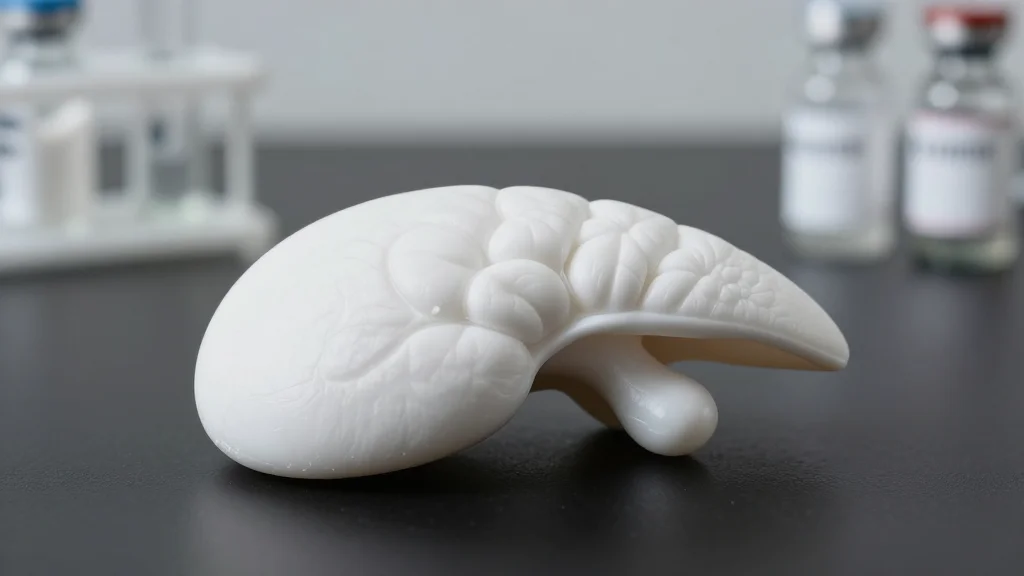
The thymus, the immune system's training hub, loses about 85% of its mass by age 50, leaving older adults with a narrowed T‑cell repertoire. Dr. Francisco Torres argues that this involution drives reduced vaccine efficacy and weaker cancer surveillance in...

Global Approaches to Infectious Disease Surveillance and Modeling
The paper by Khurana et al. highlights how rising human mobility, climate change and demographic shifts amplify pathogen spillover risks, demanding richer outbreak data. While data volumes have surged, access to confidential and commercially sensitive information remains constrained by regulatory,...
Controlling the Formation of Carbon Nanotubes and Junctions From Bilayer Graphene
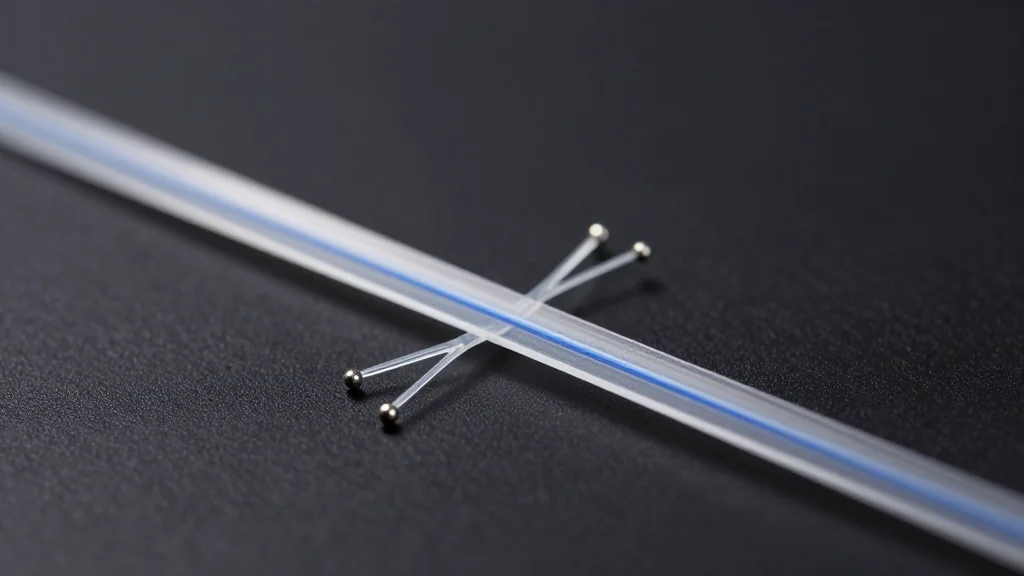
Researchers at the University of Tübingen and Helmholtz‑Zentrum Dresden‑Rossendorf demonstrated that a focused 200 kV electron beam can cut twisted bilayer graphene at half the twist angle, causing the exposed edges to reconnect into carbon nanotubes, arrays, and Y‑shaped junctions. Ribbons...

Argonne and University of Illinois Chicago Launch New AI-Driven Research Collaborations
DOE’s Argonne National Laboratory and the University of Illinois Chicago have launched three AI‑driven research collaborations funded through the Convergence Intelligence Seed Funding Program. Each team receives $225,000 per year for two years to develop high‑performance computing tools for brain...

Researchers Successfully 3D Print Living Cornea
Researchers have successfully 3D‑printed a living cornea using decellularized donor tissue as a scaffold and stem cells to repopulate it. By applying extrusion shear forces, they aligned collagen fibers to replicate the natural architecture, achieving 90% cell viability and observable...

HANTAVIRUS: Should You Actually Be Scared? And My Science-Backed Antiviral Approach.
The blog examines the recent surge in hantavirus concerns following the MV Hondius cruise ship outbreak in May 2026. It separates hype from data, explaining the virus’s long‑standing presence and actual risk profile. The author also outlines a science‑backed antiviral...

Cyclarity Therapeutics Reports Safety Data for 7-Ketocholesterol Clearance
Cyclarity Therapeutics reported first clinical evidence that its AI‑engineered cyclodextrin drug, UDP‑003, can safely bind and promote urinary excretion of 7‑ketocholesterol, a toxic oxysterol linked to atherosclerosis. The Phase 1 safety trial demonstrated favorable pharmacokinetics and pharmacodynamics, with no serious adverse...

Paws for Thought: Guide Dog Success May Have Genetic Basis
A University of Connecticut study analyzed genomic data from 1,100 Labrador retrievers to predict guide‑dog success. By linking DNA markers to 17 behavioral traits from the International Working Dog Registry, researchers found genetics outperformed traditional assessments for at least 11...

Weekly Neuroscience Update
A seven‑year longitudinal study found that brain‑wave patterns at age 9 can predict anxiety or depression by age 13, with right‑hemisphere activity linked to anxiety and left‑hemisphere to depression. Researchers also unveiled transparent contact lenses that deliver electrical stimulation, boosting serotonin by...

Robots Learn Navigation Using Quantum Processing and Achieve Stable Trajectories
Researchers at NYUAD and NYU introduced Q‑SpiRL, a quantum spiking reinforcement‑learning framework that combines variational quantum circuits with spiking neural networks for robot navigation. In simulated grid‑worlds up to 40 × 40 cells with moving obstacles, the quantum‑enhanced spiking neural network (QSNN)...

‘Implausible’: Top Climate Scientists Reject Worst-Case Scenario—Soaring Temperatures and Fast-Rising Sea Levels
Top climate scientists have urged the U.N. Intergovernmental Panel on Climate Change to retire its most extreme emissions scenario, RCP 8.5, labeling it implausible based on recent fossil‑fuel consumption trends. The move reflects updated modeling that shows the world is unlikely...

Tiny Black Holes: Crystals of Space and Time
Physicists from Goethe University Frankfurt and TU Wien have derived an exact analytical formula describing how spacetime can organize into a crystal‑like structure that, with a tiny energy input, collapses into a microscopic black hole. The solution exploits the limit of...
TPE Long-Term Effects in Healthy Elderly Same as Sham
A 2025 Aging Cell trial of therapeutic plasma exchange (TPE) with and without IVIG in 42 healthy adults over 50 showed a modest 2.6‑year biological‑age reduction at the mid‑point but no significant difference versus sham at the final assessment. The...