Key Takeaways
- •Pacific herring spawn creates visible turquoise clouds detectable by satellites
- •Barkley Sound's low‑salinity pockets attract spawning herring each year
- •Satellite monitoring improves real‑time tracking of spawning events
- •Early detection supports sustainable fisheries and harvest quotas
- •Spawn visibility boosts eco‑tourism and local coastal economies
Pulse Analysis
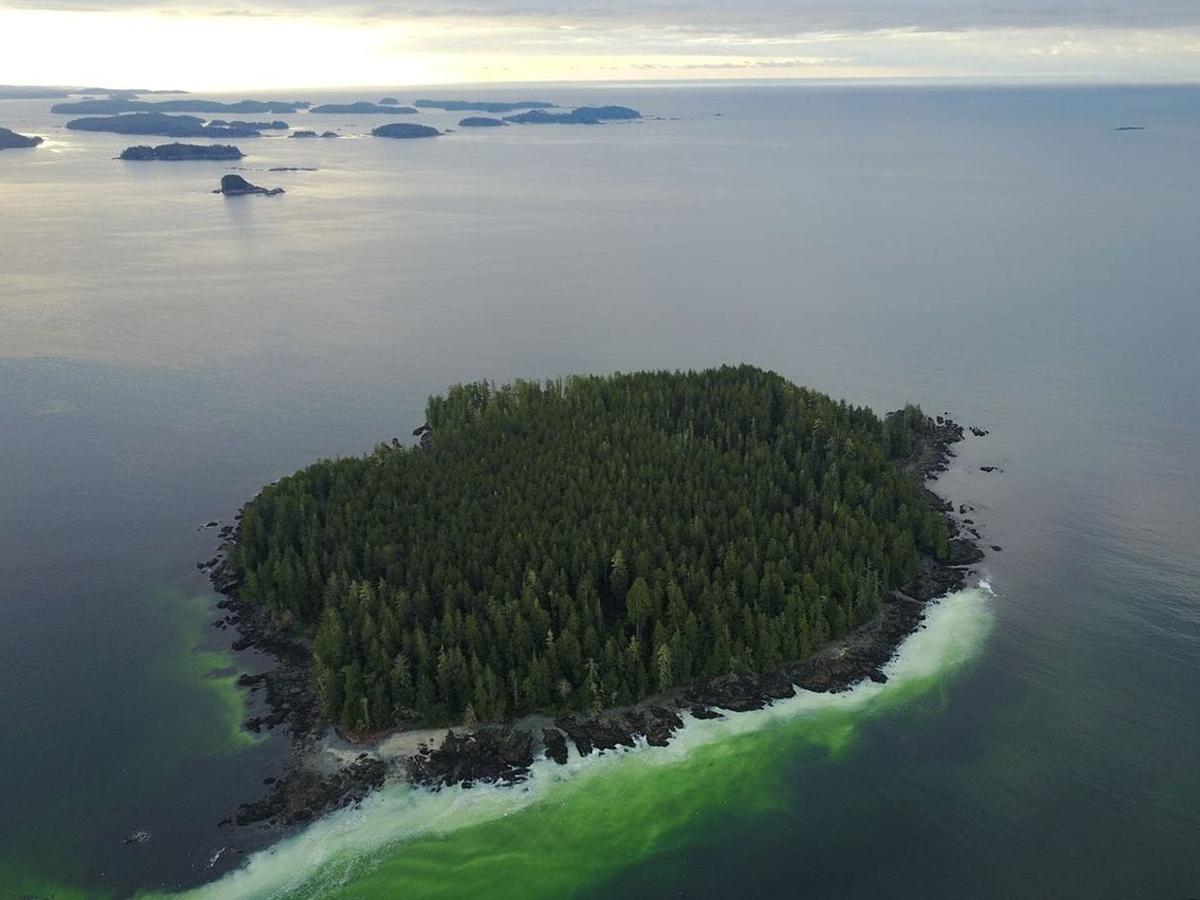
The annual Pacific herring spawn along British Columbia’s Vancouver Island is more than a visual spectacle; it serves as a natural beacon for satellite imaging systems. When millions of eggs and milt are released, the resulting milky plume reflects sunlight in a distinct turquoise hue, standing out against the darker ocean. Modern Earth‑observation platforms, such as those operated by NASA and commercial providers, can detect these blooms from orbit, delivering high‑resolution, time‑stamped data that were previously impossible to capture without costly field expeditions.
For the fisheries sector, this remote‑sensing capability translates into actionable intelligence. By pinpointing the timing and location of spawning aggregations, managers can adjust quotas, enforce seasonal closures, and monitor stock health with unprecedented precision. Integrating satellite data with acoustic surveys and catch reports creates a layered picture of herring dynamics, helping to prevent over‑exploitation and supporting the broader marine food web that depends on this keystone species. Moreover, the ability to track spawning in near real‑time aids in assessing the impacts of climate variability, such as shifts in water temperature and salinity.
Beyond resource management, the vivid spawn events have economic ripple effects. Coastal communities near Barkley Sound have seen a rise in eco‑tourism, as visitors flock to witness the green‑tinged shoreline and capture drone footage. Local businesses—guides, lodging, and restaurants—benefit from the seasonal influx, turning an ecological occurrence into a modest revenue stream. As satellite imagery becomes more accessible, the herring spawn could also serve as a low‑cost indicator for broader environmental changes, positioning it at the nexus of marine science, technology, and regional development.
Herring Spawn
Comments
Want to join the conversation?