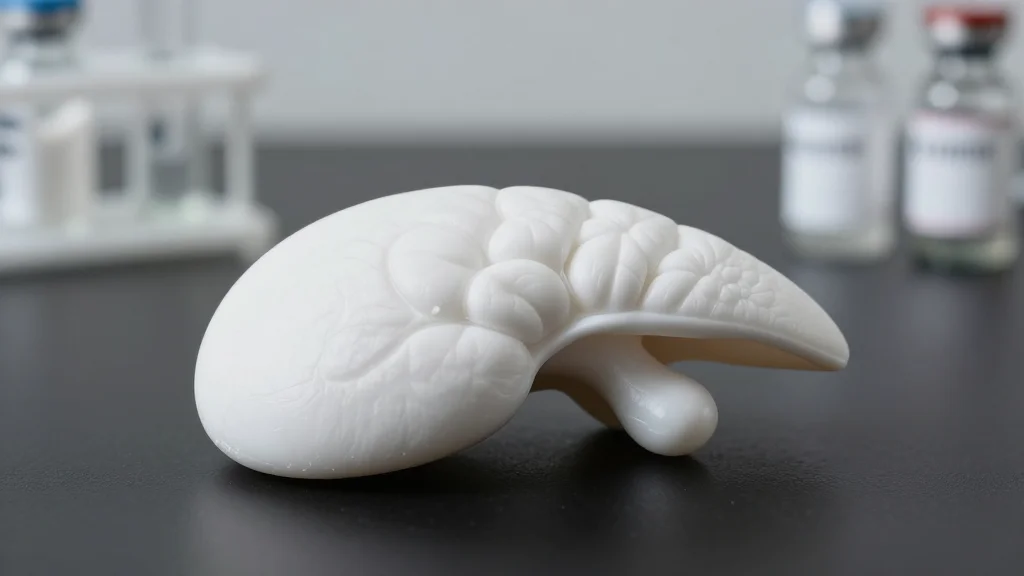
Why Thymic Involution Is the Aging Organ Doctors Miss
Key Takeaways
- •Thymic tissue shrinks ~85% by age 50, reducing T‑cell diversity.
- •TRIIM trial showed growth hormone, DHEA, metformin can regrow thymus on MRI.
- •Zinc, arginine, caloric restriction, and intermittent fasting support thymic health.
- •Resistance training boosts endogenous growth hormone, a key signal for thymic regeneration.
- •Aging immune decline partly stems from thymic involution, affecting vaccine efficacy.
Pulse Analysis
The thymus has long been the quiet casualty of aging, slipping unnoticed behind the sternum while its functional tissue is replaced by fat. By the fifth decade, the gland’s capacity to generate naïve T‑cells dwindles, narrowing the immune repertoire and leaving older adults vulnerable to novel pathogens and less responsive to vaccines. This biological bottleneck explains why a 70‑year‑old often mounts a weaker response to influenza shots than a 30‑year‑old, and it underpins the age‑related rise in cancer incidence as immune surveillance wanes.
Emerging research reframes thymic involution from an inevitable decline to a modifiable target. The TRIIM (Thymus Regeneration, Immunorestoration, and Insulin Mitigation) trial demonstrated that a cocktail of growth hormone, DHEA, and metformin not only reduced epigenetic age but also produced measurable thymic regrowth on MRI scans. Parallel animal work shows that restoring thymic epithelial cells revives T‑cell function and extends lifespan. Human‑compatible strategies now include zinc and arginine supplementation, caloric restriction, intermittent fasting, and resistance training—all of which stimulate endogenous growth hormone and support thymic epithelial health.
For clinicians, the implication is clear: thymic health should join the checklist of age‑management metrics. Integrating low‑risk interventions—metformin for non‑diabetics, targeted nutrition, and structured strength training—offers a proactive avenue to bolster immunity without awaiting pharmaceutical breakthroughs. As the evidence base expands, personalized thymic rejuvenation could become a cornerstone of preventive geriatric care, shifting the narrative from inevitable decline to achievable resilience.
Why thymic involution is the aging organ doctors miss
Comments
Want to join the conversation?