Key Takeaways
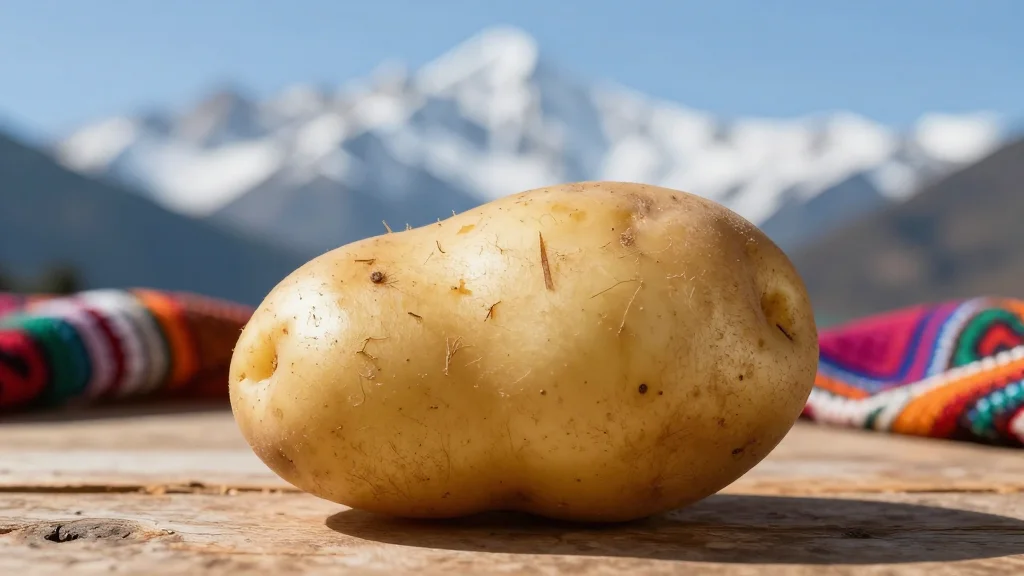
- •Andean AMY1 copies surged, aligning with 10k‑year potato diet
- •Horse domestication unfolded gradually across Eurasia, not a single event
- •Brazil’s PANCs could diversify climate‑resilient food systems
- •Sacred groves in Ethiopia link cultural stewardship to biodiversity
- •Legal gaps leave Indigenous knowledge vulnerable under Western IP regimes
Pulse Analysis
Genetic research is reshaping our understanding of human adaptation, and Indigenous case studies sit at the forefront. The dramatic amplification of the AMY1 gene among Andean peoples illustrates how a starch‑rich staple—potatoes cultivated 10,000 years ago—can drive rapid genomic change. Similarly, new archaeological genetics reveal that horse domestication was a mosaic of incremental breeding, riding, and milking practices spread across Eurasia, highlighting Indigenous pastoralists as early innovators of mobility and social organization.
Beyond genetics, Indigenous ecological expertise is redefining modern food security and conservation strategies. Brazil’s catalog of non‑conventional food plants (PANCs) leverages centuries‑old knowledge to broaden dietary options, enhance climate resilience, and support rural livelihoods. In Ethiopia, community‑managed sacred groves demonstrate that cultural rituals and traditional stewardship can maintain high biodiversity levels, offering a model where social values and ecological outcomes reinforce each other. These examples underscore the untapped potential of integrating Indigenous practices into national food policies and biodiversity frameworks.
However, the benefits of Indigenous contributions are jeopardized by mismatched legal structures. Western intellectual‑property regimes often clash with collective ownership concepts, leaving traditional knowledge exposed to exploitation. Recent scholarship calls for reforms that recognize biocultural heritage, enforce equitable benefit‑sharing, and mandate proper citation of Indigenous sources in scientific research. Aligning legal protections with Indigenous rights not only rectifies historical injustices but also secures a collaborative pathway for future innovation in agriculture, conservation, and beyond.
Brainfood: Indigenous edition
Comments
Want to join the conversation?