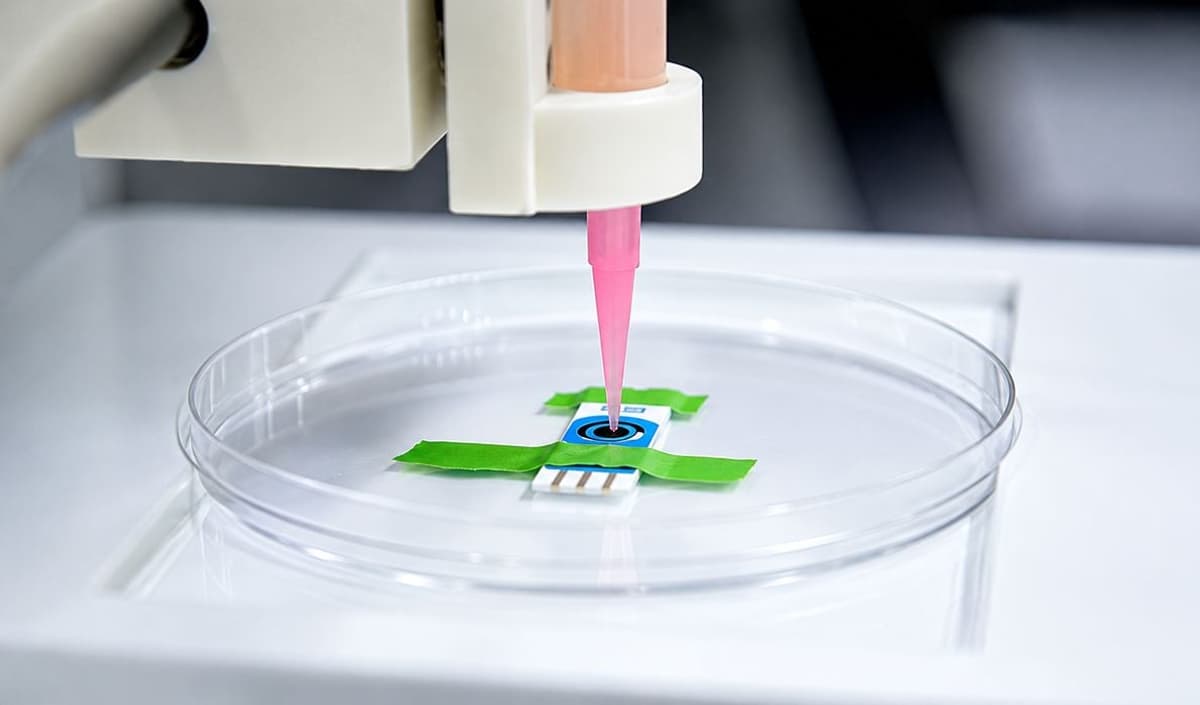
Researchers Successfully 3D Print Living Cornea
Key Takeaways
- •3D‑printed cornea achieved 90% cell viability.
- •Aligned collagen mimics natural corneal structure for optical clarity.
- •Stem‑cell integration enables regeneration of corneal cells and nerves.
- •Potential to reduce reliance on donor tissue and eye‑bank shortages.
Pulse Analysis
Corneal opacity affects millions worldwide, and traditional transplantation relies on a limited pool of donor eyes managed by eye banks. Shortages, tissue rejection, and the logistical challenges of preserving delicate corneal tissue have spurred a search for synthetic alternatives, yet artificial implants have struggled to match the eye's optical precision. The market for corneal therapies is projected to exceed $2 billion by 2030, underscoring the urgency for innovative solutions that can deliver both clarity and biocompatibility.
The breakthrough reported by South Korean scientists leverages extrusion‑based bioprinting to deposit a collagen‑rich matrix that mirrors the native lamellar arrangement of the human cornea. By stripping donor corneas of cellular components and re‑infusing pluripotent stem cells, the team created a living construct that not only survived at a 90% viability rate but also demonstrated nerve fiber regrowth—critical for sensory function and wound healing. Precise shear forces during printing aligned collagen fibrils, ensuring a transparent pathway for light, a feat that has eluded previous artificial cornea attempts.
If translated to clinical practice, this technology could alleviate the chronic donor shortage, reduce transplant waiting lists, and lower the cost per procedure. Regulatory pathways will likely follow the precedent set for tissue‑engineered products, emphasizing safety, sterility, and functional outcomes. Beyond ophthalmology, the method validates a broader paradigm for printing transparent, load‑bearing tissues, potentially accelerating advances in biofabricated lenses, vascular grafts, and skin substitutes. Stakeholders—from eye‑bank operators to biotech investors—should monitor upcoming pre‑clinical trials, as they will shape the commercial viability and adoption timeline of 3D‑printed corneal grafts.
Researchers Successfully 3D Print Living Cornea
Comments
Want to join the conversation?