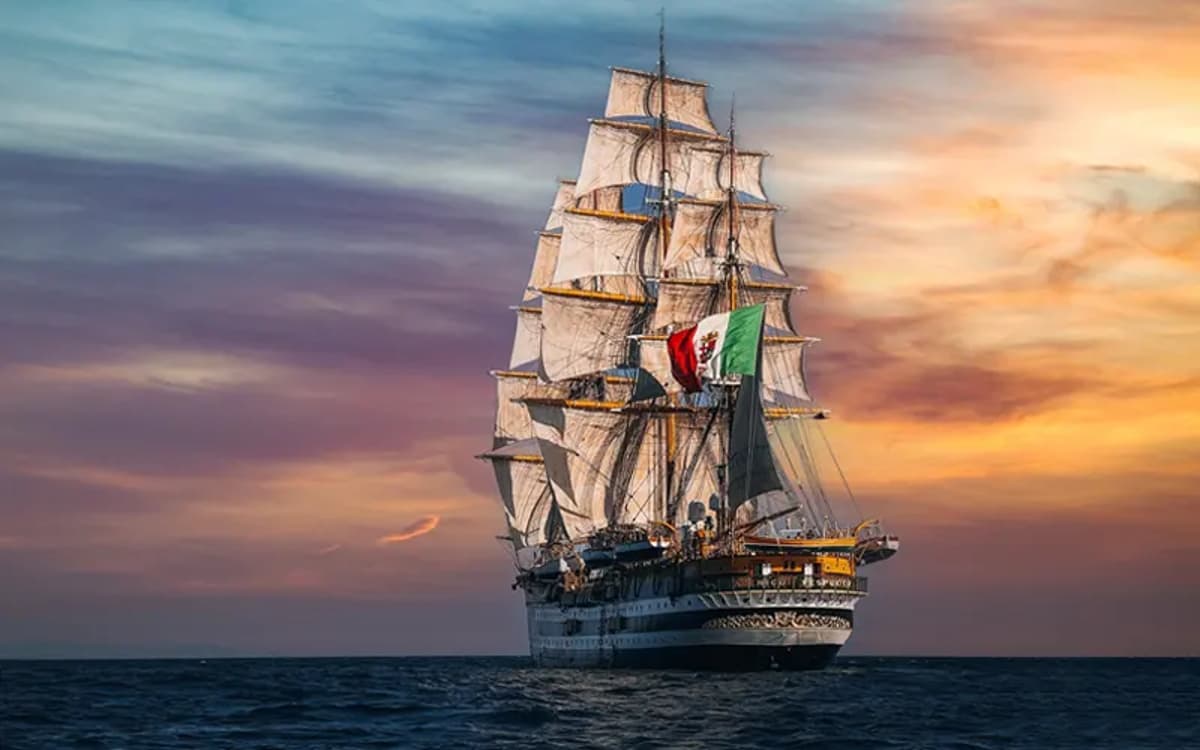
Italy Turns to Tall Ship to Simulate Stresses of Long-Duration Spaceflight
Key Takeaways
- •ASI uses 95‑year‑old tall ship for spaceflight analog study
- •107‑day voyage collects baseline health data from naval cadets
- •Findings will be compared with Axiom‑3 astronaut samples
- •Italy contributes roughly $910 million to ESA exploration programs
Pulse Analysis
Analog environments have long been a cornerstone of human‑spaceflight research, offering a low‑cost platform to study isolation, confinement and altered day‑night cycles. Italy’s decision to repurpose the 95‑year‑old training vessel Amerigo Vespucci reflects this tradition, turning a historic tall ship into a floating laboratory that sails the Atlantic for 107 days. The vessel’s wooden hull and limited amenities recreate the sensory monotony and spatial constraints astronauts face on deep‑space missions, while the crew’s naval training adds a disciplined operational layer that mirrors mission‑critical tasks.
The ICE‑BLUE initiative, a joint effort between ASI and the Italian Institute of Technology, gathers a multidisciplinary suite of measurements—blood biomarkers, microbiome samples, sleep logs, cognitive tests and stress hormone levels. By establishing a baseline before departure and tracking changes throughout the voyage, researchers can directly compare the cadets’ responses with data from the Axiom‑3 crew currently aboard the International Space Station. This side‑by‑side analysis addresses NASA’s priority list of health risks, such as circadian disruption and immune‑system drift, and helps identify pharmaceutical or behavioral countermeasures.
Europe’s reliance on NASA and private launch providers has sparked a strategic debate about sovereign human‑spaceflight capability. Italy’s roughly $910 million contribution—about 28 % of ESA’s exploration budget—positions it as a key stakeholder in upcoming decisions at the agency’s June Council and the 2028 Ministerial meeting. Successful outcomes from the tall‑ship analog could bolster Italy’s case for deeper involvement in crewed programs, influence funding allocations, and accelerate the development of European‑based life‑support and health‑monitoring technologies. In short, the voyage is as much a diplomatic maneuver as a scientific experiment.
Italy Turns to Tall Ship to Simulate Stresses of Long-Duration Spaceflight
Comments
Want to join the conversation?