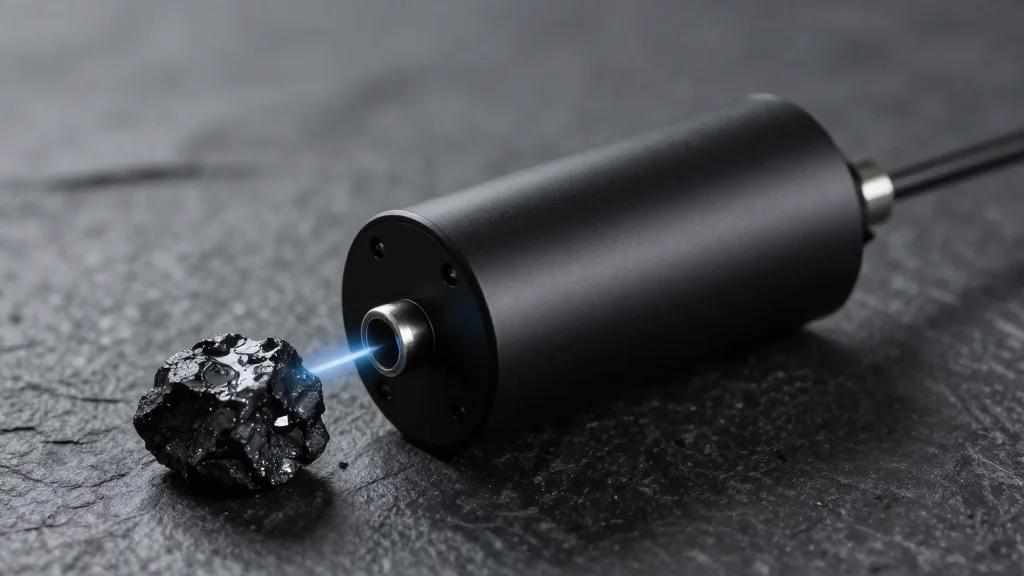
Chinese Researchers Unveil Zero‑CO₂ Coal‑Powered Battery, ZC‑DCFC
A team led by Xie Heping at Shenzhen University and the Chinese Academy of Sciences announced a zero‑carbon‑emission direct coal fuel cell (ZC‑DCFC) that converts coal to electricity electrochemically, eliminating CO₂ emissions. The breakthrough could reshape coal‑based power generation if it scales beyond the laboratory.

Heat-Storing Solar Foam Enables Continuous Desalination After Sunlight Fades
Researchers at Ocean University of China and Huzhou University have created a lightweight, phase‑change photothermal foam that captures solar energy and stores it as heat, allowing continuous water evaporation after sunlight fades. In outdoor tests the foam produced 9.229 kg of...
Discovery of a Novel Vulnerability in Aggressive Lymphoma Could Change Future Therapy
Researchers at the University of Cologne’s Center for Molecular Medicine have identified the protein cFLIP as a critical driver of resistance in diffuse large B‑cell lymphoma (DLBCL), especially the ABC subtype. By overexpressing cFLIP, lymphoma cells block both intrinsic and...
AI Helps Chemists Design Molecules Step by Step
Researchers at EPFL unveiled Synthegy, a new framework that pairs large language models with traditional retrosynthesis and mechanism‑prediction tools. By translating candidate pathways into text, the LLM evaluates each route against plain‑language user goals and scores its chemical plausibility. In...

India Plans Space Laboratories in Universities to Build Future Space Workforce
India will establish seven dedicated space laboratories across universities and colleges, giving students practical exposure to satellite and launch technologies. The move follows rapid expansion of the Indian space ecosystem, which has attracted more than $600 million in private investment and...
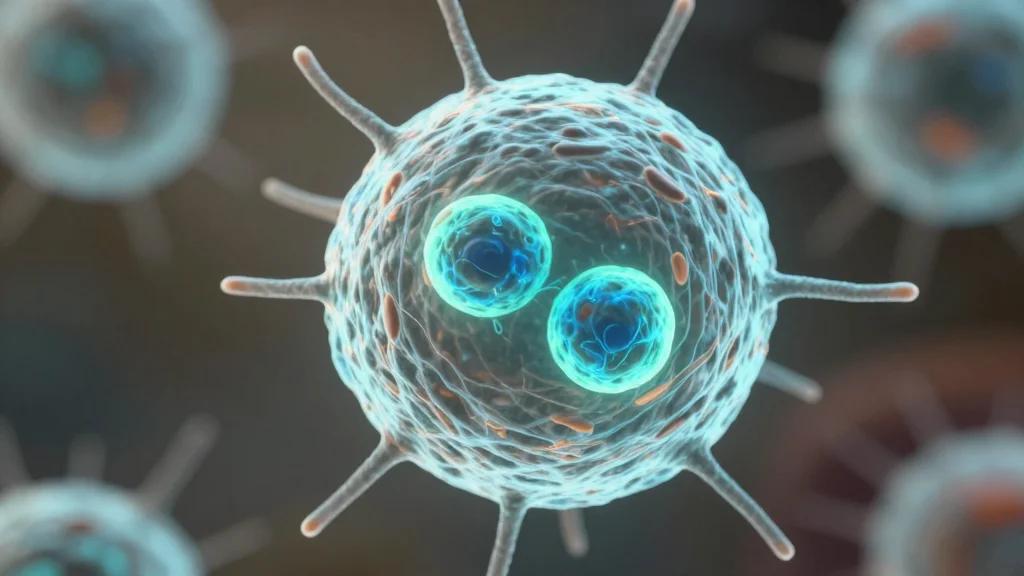
Fluorescent Probe Lights up Centrioles and Cilia in Living Cells Across Species
Scientists at EPFL have unveiled CenSpark, a fluorescent probe that selectively labels centrioles and cilia in living cells. The probe binds to the unique microtubule architecture of these organelles, enabling super‑resolution and live‑cell imaging across a spectrum of species, from...