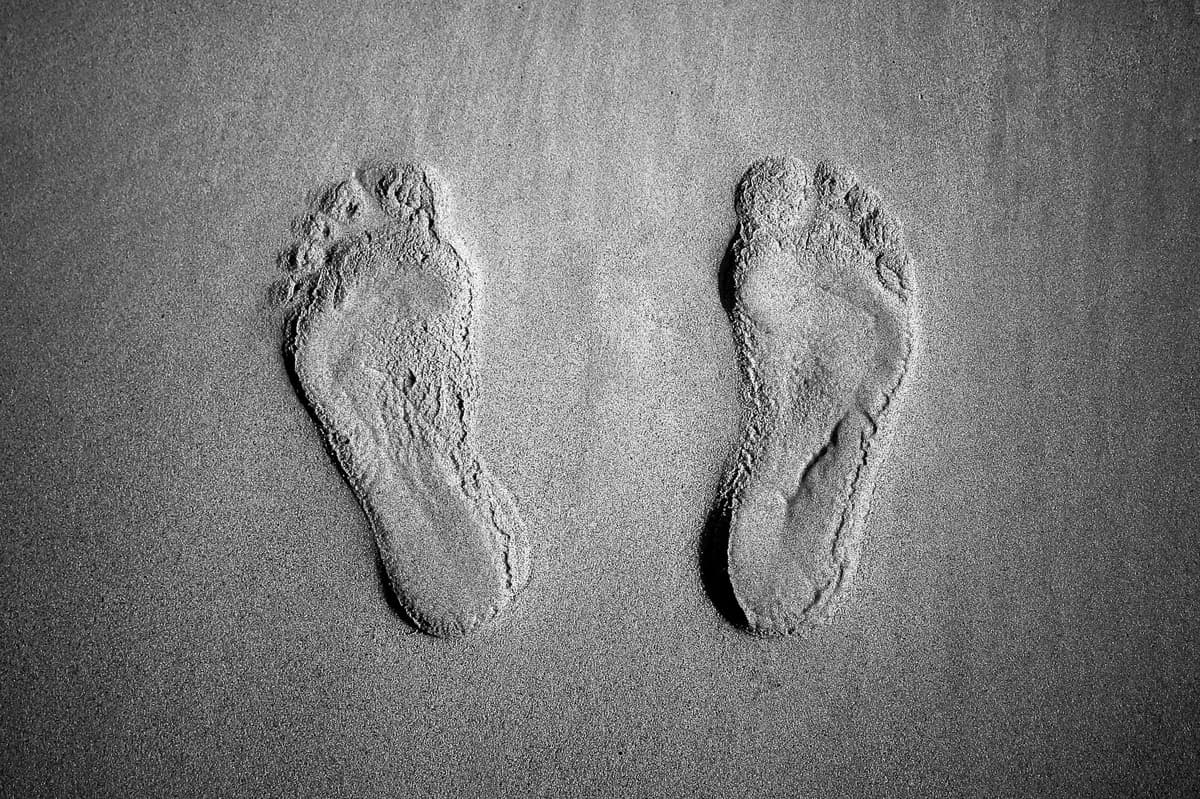
Archaeologists Found 115,000-Year-Old Human Footprints Where They Shouldn’t Be
Why It Matters
The discovery pushes back the timeline of Homo sapiens’ presence in Arabia, reshaping models of early human migration out of Africa and highlighting the Arabian Peninsula as a critical corridor during climatic fluctuations.
Key Takeaways
- •115,000‑year‑old footprints found in Saudi Arabia’s Nefud Desert
- •Prints likely made by early Homo sapiens, not Neanderthals
- •Lakebed’s unique mud preserved tracks for over 100,000 years
- •Findings suggest brief, water‑seeking human visits during interglacial
Pulse Analysis
The Alathar site in northern Saudi Arabia adds a rare, tangible layer to the story of early human expansion. By dating the mudflat to roughly 115,000 years ago, scientists have identified the oldest confirmed Homo sapiens footprints on the Arabian Peninsula. The preservation owes itself to an unusual combination of fine sediment, rapid drying, and a lack of subsequent disturbance, conditions that rarely align in the archaeological record. This discovery underscores how fleeting environmental niches, such as transient lakes, can capture momentary snapshots of prehistoric life.
From a migration perspective, the Alathar footprints fill a geographic gap between African origins and later settlements in the Levant. Traditional models have placed Homo sapiens in the Near East around 130,000 to 80,000 years ago, but physical evidence has been sparse. The size and morphology of the prints align with early modern humans, while the absence of Neanderthal-associated artifacts strengthens the case for a Homo sapiens‑only presence at this locale. This supports theories that early humans exploited coastal and inland water sources as stepping stones during favorable interglacial periods.
The find also prompts a reevaluation of preservation bias in paleoanthropology. Mudflat environments, though uncommon, can act as natural time capsules, retaining delicate trace fossils that other contexts erase. Future excavations targeting similar paleolake deposits across the Arabian Peninsula could reveal additional footprints or associated tools, refining our understanding of how climate-driven habitat corridors shaped human dispersal. As researchers integrate these data with genetic and climatic models, the Alathar footprints may become a cornerstone for reconstructing the early chapters of our species’ global journey.
Archaeologists Found 115,000-Year-Old Human Footprints Where They Shouldn’t Be
Comments
Want to join the conversation?
Loading comments...