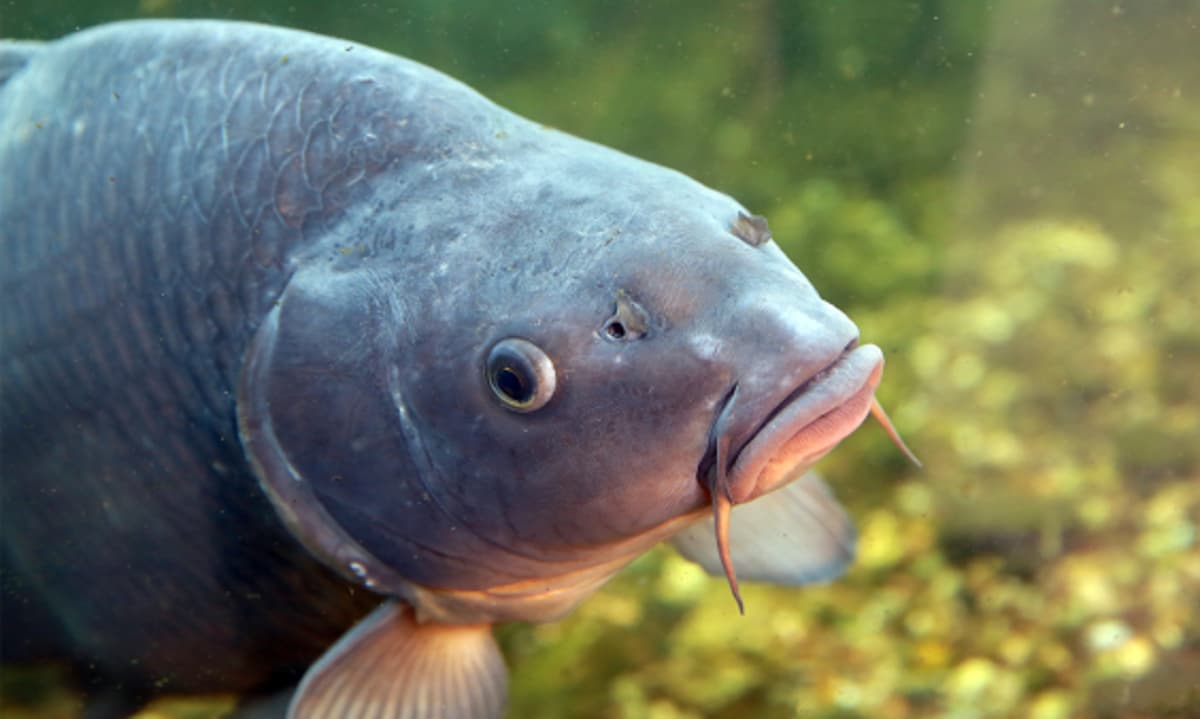
Editing the Pesky Bones Out of a Popular Farmed Fish
Why It Matters
Removing bones streamlines processing, reduces waste, and makes grass carp more appealing to consumers, potentially expanding market share in Asia and beyond. The breakthrough also demonstrates the commercial viability of precise gene editing in food fish.
Key Takeaways
- •Researchers knocked out runx2b to produce boneless grass carp.
- •Boneless carp show normal growth, muscle, and fat composition.
- •Calcium levels drop, potassium rises due to missing bone mineral storage.
- •No major skeletal deformities detected via micro‑CT scans.
- •Potential to simplify processing and boost consumer appeal in Asia.
Pulse Analysis
Grass carp (Ctenopharyngodon idella) rank among the world’s most farmed freshwater fish, prized for rapid growth and efficient feed conversion. In Europe and the United States, sterile triploid variants are deployed to control aquatic weeds, while Asian producers raise the species for its mild flesh. A persistent drawback has been the 118 needle‑like vertebral bones that fragment during filleting, creating a labor‑intensive deboning step and an unpleasant eating experience. This anatomical quirk has limited the fish’s value‑added product potential despite its abundant supply.
A team from Huazhong Agricultural University tackled the problem by disabling the runx2b transcription factor, a gene essential for ossification. Using CRISPR‑Cas9, they generated a homozygous knockout line that develops without any skeletal elements. Subsequent micro‑CT scans confirmed the absence of bone structures, while biochemical assays revealed comparable protein, fat, moisture, and amino‑acid profiles to wild‑type carp. The only notable differences were a modest reduction in muscle calcium and a corresponding increase in potassium, reflecting the bone’s role as a mineral reservoir.
The emergence of boneless grass carp could reshape aquaculture supply chains. Processors would save on labor and equipment costs associated with deboning, and retailers could market a ready‑to‑eat fillet that meets consumer demand for convenience. However, regulatory approval for genetically edited food remains uneven, with the United States and European Union adopting precautionary stances. In markets where approval is granted, the technology may accelerate the shift toward gene‑edited protein sources, offering a sustainable alternative to land‑based meat while preserving the fish’s low environmental footprint.
Editing the Pesky Bones Out of a Popular Farmed Fish
Comments
Want to join the conversation?
Loading comments...