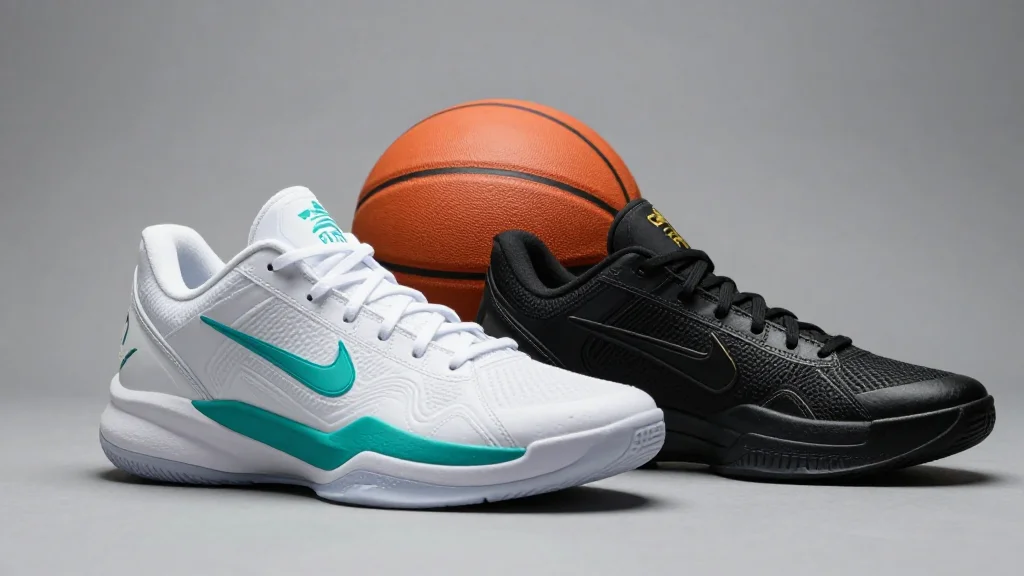
Caitlin Clark, Angel Reese and More Lead WNBA’s Opening Weekend Sneaker Lineup
Companies Mentioned
Why It Matters
The high‑profile sneaker drops underline how major brands are betting on the WNBA’s growing fanbase, turning player visibility into revenue streams. This synergy accelerates the league’s commercial appeal and signals a broader shift toward women’s sports as a lucrative market.
Key Takeaways
- •Caitlin Clark debuted Nike Kobe 5 Protro “Rookie of the Year”.
- •Angel Reese wore Reebok Engine A before her signature Reebok Angel Reese 1.
- •Breanna Stewart chose Puma Stewie 5 Turbo, highlighting Puma’s WNBA push.
- •Skechers announced multiyear league partnership during opening weekend.
- •WNBA schedule expands to 44 games, running through Sept. 24, 2026.
Pulse Analysis
The 2026 WNBA season opened with a splash of color and branding, as the league’s marquee players turned the court into a runway for the latest basketball footwear. With 30 seasons behind it, the league is leveraging its expanded 44‑game schedule to attract more media attention and sponsor dollars. Star power from Caitlin Clark, Angel Reese, Breanna Stewart and rookie Azzi Fudd gave each brand a prime platform to showcase exclusive colorways and player‑specific designs, reinforcing the narrative that women’s basketball is now a central stage for sneaker culture.
Nike, Puma, Reebok and Skechers each used the opening weekend to deepen their foothold in the women’s sports market. Nike’s Kobe 5 Protro “Rookie of the Year” and Jordan Luka 4 editions tied the brand to rising talent, while Puma’s Stewie 5 Turbo signaled its commitment to high‑performance options for elite players. Reebok leveraged Angel Reese’s involvement in the design process to tease her upcoming signature model, and Skechers sealed a multiyear partnership that positions the company as an official league partner for the anniversary season. These collaborations go beyond apparel; they generate co‑branded content, limited‑edition drops, and direct‑to‑consumer sales that feed both the league’s and the brands’ bottom lines.
The commercial ripple effect extends to broadcasters, retailers and fans, who now expect premium sneaker releases alongside game action. As women’s sports continue to capture a larger share of the sports‑apparel market—projected to exceed $30 billion globally by 2028—the WNBA’s strategic alignment with footwear giants could become a template for other leagues. Continued investment in player‑driven product lines promises to boost ticket sales, viewership, and merchandise revenue, cementing the WNBA’s role as a growth engine for the broader sports‑fashion ecosystem.
Caitlin Clark, Angel Reese and More Lead WNBA’s Opening Weekend Sneaker Lineup
Comments
Want to join the conversation?
Loading comments...