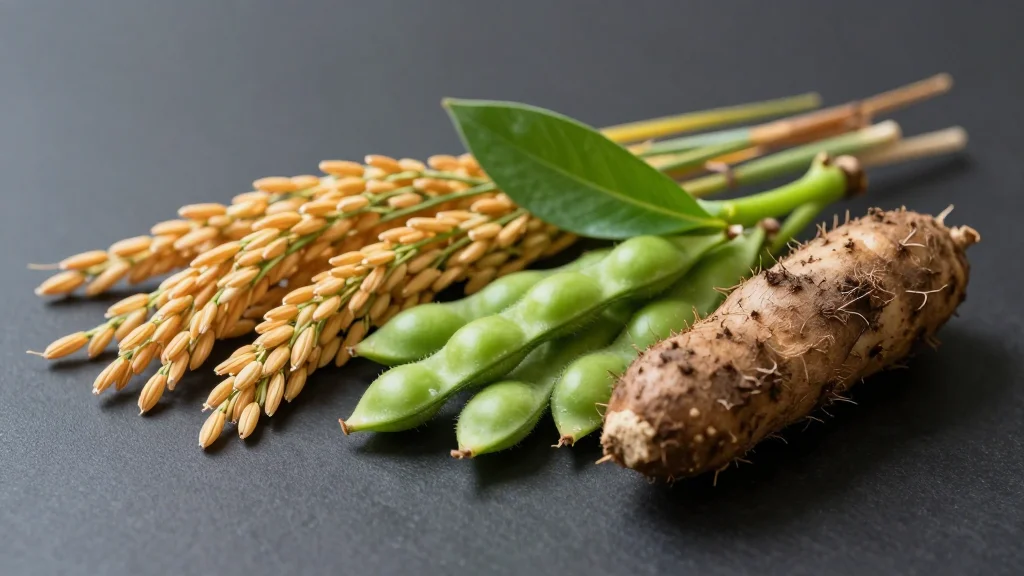
Brainfood: Rice Breeding, Cowpea Diversity, Sorghum Pangenome, Faba Bean Genome, Banana Wild Relative, Cassava Breeding, Seed Laws, Microbiome Double
Key Takeaways
- •Rice breeding gains directly linked to food security in Asia
- •Cowpea genebank sequencing reveals geographic diversity for breeding
- •Sorghum pangenome accelerates trait discovery across varieties
- •Wild banana relatives enable Fusarium‑resistant, high‑quality hybrids
- •Seed law complexities hinder regional breeding collaborations
Pulse Analysis
The integration of high‑resolution genomics into staple and orphan crops marks a turning point for agricultural productivity. By linking IRRI’s rice breeding outcomes to concrete yield improvements, researchers demonstrate that data‑driven selection can deliver rapid returns on investment. Simultaneously, the sequencing of over 10,000 cowpea accessions and the construction of a sorghum pangenome provide breeders with a richer palette of alleles, shortening the path from gene discovery to field deployment. These tools are reshaping the breeding marathon into a more strategic sprint.
Beyond cultivated varieties, the strategic use of wild relatives and the plant microbiome is expanding the resilience toolkit. Banana breeding programs now tap wild species to introduce Fusarium wilt resistance while preserving fruit quality, a model that could be replicated for other vulnerable crops. In cassava, trait‑linked SNP markers illuminate genetic diversity for cyanide reduction and carotenoid enrichment, supporting biofortification goals. Emerging research on soil and phyllosphere microbiomes reveals natural pathogen suppression mechanisms, suggesting that microbiome engineering could complement traditional breeding in mitigating climate‑induced disease pressures.
However, scientific advances alone cannot guarantee impact without supportive policy frameworks. Southeast Asia’s fragmented seed regulations create barriers for germplasm exchange, slowing the diffusion of superior varieties across borders. Climate extremes further exacerbate pathogen dynamics, underscoring the need for coordinated regulatory responses that balance biosafety with innovation. Aligning genomic breakthroughs with harmonized seed laws and climate‑adaptation strategies will be essential for translating genetic gains into sustainable, secure food systems worldwide.
Brainfood: Rice breeding, Cowpea diversity, Sorghum pangenome, Faba bean genome, Banana wild relative, Cassava breeding, Seed laws, Microbiome double
Comments
Want to join the conversation?