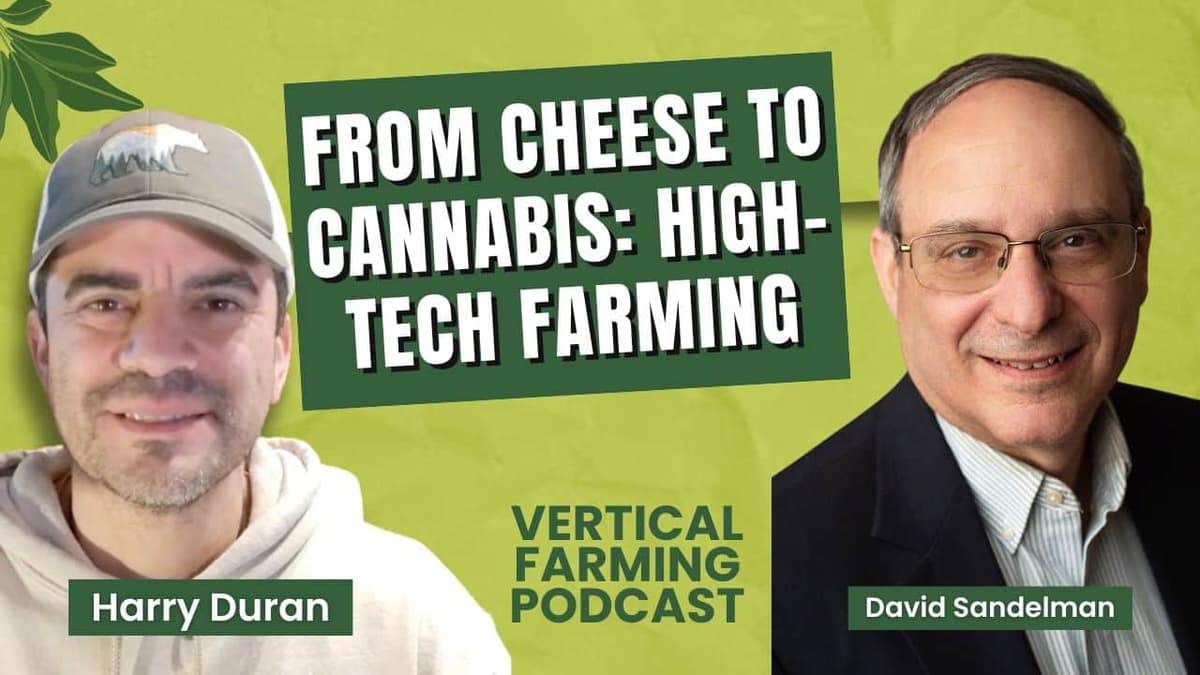
David Sandelman on Why Cannabis Post-Harvest Is Still Operating in the Dark
Key Takeaways
- •Vapor Troll cuts cannabis trichome rupture to 1‑2% vs 25‑30% traditionally
- •Controlling vapor pressure, not humidity, stabilizes drying and preserves terpenes
- •Overdrying costs growers 5‑7% revenue; water activity target prevents loss
- •Roadmap adds hops, tea and AI‑driven VPD tuning for post‑harvest
Pulse Analysis
Post‑harvest handling has long been a blind spot for indoor agriculture, with most facilities relying on relative‑humidity setpoints that mask underlying vapor‑pressure swings. Sandelman’s insight—borrowed from artisanal cheese aging—reframes the problem: temperature and vapor pressure are the true levers, while relative humidity is merely a derived metric. This shift aligns cannabis processing with the rigor of food‑science and pharmaceutical preservation, where water activity, not percent moisture, dictates microbial stability and product integrity.
The practical payoff is immediate. Independent testing shows Vapor Troll’s vapor‑pressure control slashes trichome head rupture to 1‑2%, compared with the industry‑standard 25‑30% loss. Because terpenes reside in those fragile glands, the technology translates into higher aroma retention and a more consistent cannabinoid profile. Moreover, growers who traditionally overdry to avoid mold are inadvertently sacrificing 5‑7% of flower weight—a hit to revenue that can be eliminated by targeting a water‑activity threshold of 0.6, the same benchmark used to keep cheese and pharmaceuticals safe.
Looking ahead, the platform’s applicability extends beyond cannabis. Hops and tea share similar terpene‑rich profiles and suffer comparable post‑harvest volatility, making them prime candidates for vapor‑pressure‑controlled drying. Sandelman also envisions AI‑driven environmental tuning, where real‑time plant feedback refines vapor‑pressure setpoints on the fly, further reducing human error. As the industry embraces these precision tools, the competitive edge will shift from cultivation expertise to data‑centric post‑harvest engineering, opening new revenue streams for growers willing to adopt the technology.
David Sandelman on Why Cannabis Post-Harvest Is Still Operating in the Dark
Comments
Want to join the conversation?