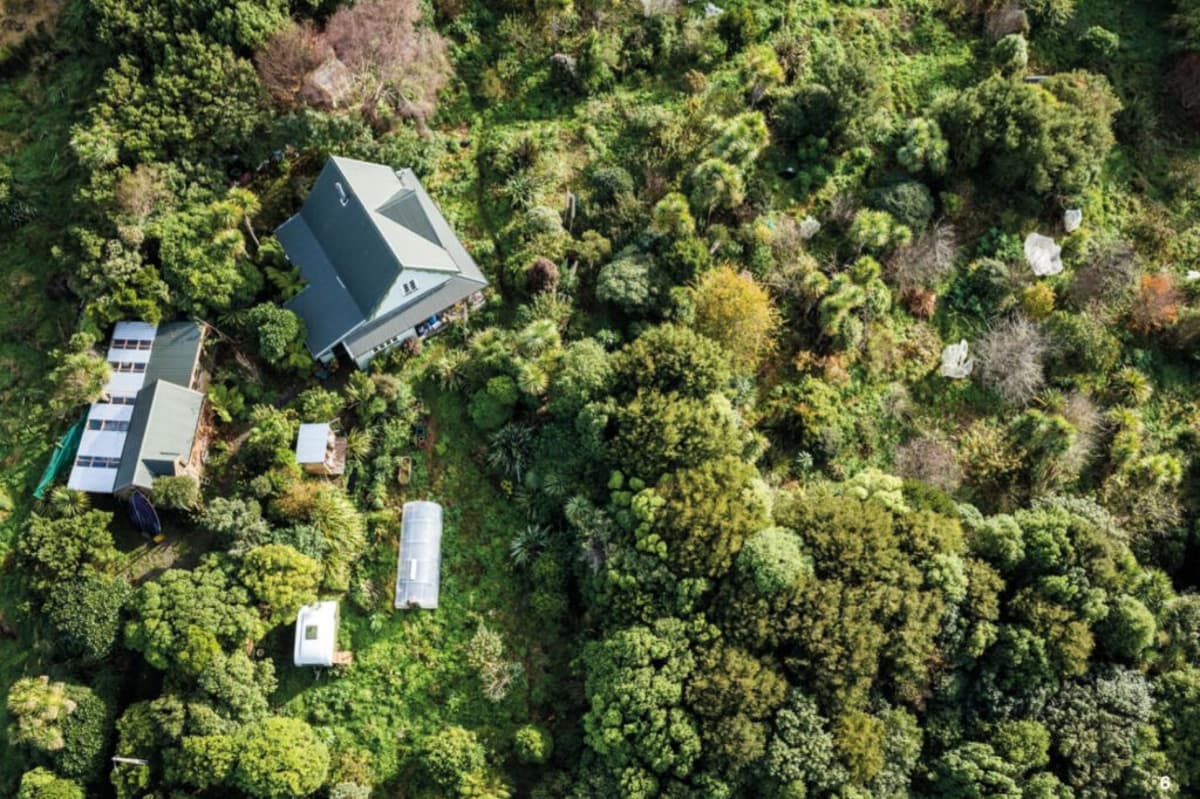
Forest Gardening for Resilience: Growing Regenerative Food Systems in New Zealand
Key Takeaways
- •NZ can host subtropical, Mediterranean, and deciduous forest gardens.
- •APW and Resilio Studio spent 15 years creating a guide.
- •Forest gardens yield food, fibre, fuel, medicine and ecosystem regeneration.
- •Climate projections show larger areas becoming suitable for Mediterranean gardens.
- •Temperate NZ forests have five layers, unlike tropical seven-layer models.
Pulse Analysis
Forest gardening, rooted in Indigenous practices worldwide, is gaining traction as a climate‑smart alternative to monoculture agriculture. In New Zealand, the temperate broadleaf‑conifer and beech forests present a unique structural template—typically five layers—requiring a tailored design language distinct from tropical seven‑layer models. By integrating native species and multilayered planting, practitioners can mimic natural succession, delivering a suite of products while enhancing soil carbon, water retention, and pollinator habitats.
The guide produced by the Aotearoa Permaculture Workshop and Resilio Studio delineates three garden archetypes that align with the country’s micro‑climates. Subtropical gardens thrive in Northland and parts of Nelson, featuring avocado, banana palms and ground‑cover nertera. Deciduous systems dominate the Waikato and Taranaki regions, pairing fruit trees like pear and plum with blueberry shrubs and strawberry understories. Mediterranean gardens, suited to the eastern North Island and parts of the South Island, employ olive, fig and drought‑tolerant herbs such as rosemary and thyme. Each model leverages the local soil profile—loamy, fertile, or free‑draining—to maximize yields and ecosystem services.
Beyond food security, these regenerative landscapes serve as living laboratories for climate adaptation. As climate models forecast warmer, drier conditions, the Mediterranean garden footprint is expected to expand, offering a proactive response to shifting rainfall patterns. Policymakers and landowners can harness this knowledge to diversify rural economies, reduce reliance on external inputs, and meet emerging sustainability standards. By scaling forest gardens, New Zealand positions itself at the forefront of a global movement toward resilient, low‑carbon food systems.
Forest gardening for resilience: Growing regenerative food systems in New Zealand
Comments
Want to join the conversation?