Gulf Food Security Needs Execution, Not Just Ambition
Key Takeaways
- •Gulf imports 60%+ of food, exposing supply chain fragility
- •Energy tariffs and restrictive regulations hinder greenhouse investments
- •Dutch Greenhouse Delta's circular models offer replicable GCC blueprint
- •Standardized federal energy rates could level playing field for growers
- •Retailer demand and waste reduction are key to farm‑to‑fork loop
Pulse Analysis
Recent geopolitical tensions have reminded Gulf nations that their food systems are still tethered to distant suppliers. While bilateral agreements with India and other partners kept shelves stocked during the latest disruptions, modest price hikes in dairy and poultry exposed the thin margin for error. The pandemic had already spurred a wave of self‑sufficiency pledges, yet most GCC economies continue to import the majority of their staples, leaving them vulnerable to port closures, air‑cargo bottlenecks, and fluctuating global markets.
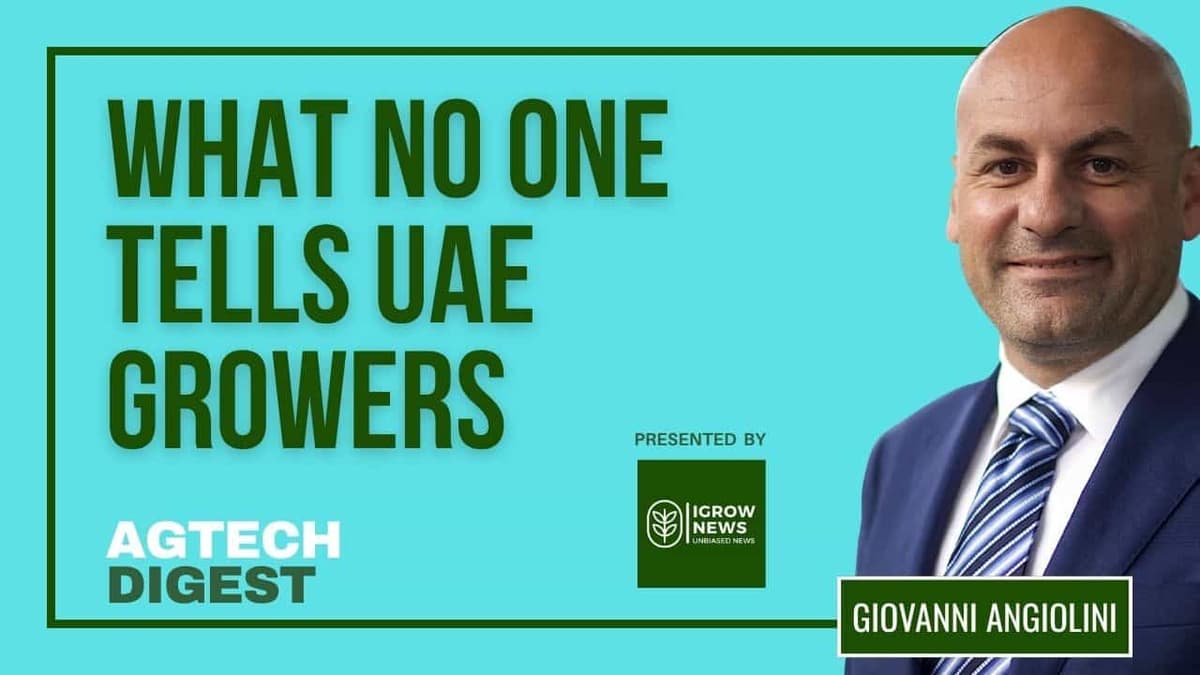
Dutch Greenhouse Delta is positioning itself as a catalyst for change by offering circular greenhouse designs that integrate CO₂ reuse, heat recovery, and water recycling. Angiolini argues that uniform federal energy tariffs and alignment of fertilizer and biological‑control regulations with international standards would dramatically lower operating costs for local growers. Parallel investments in cold‑chain logistics and post‑harvest handling are essential to preserve the quality of domestically produced produce, ensuring it can compete with imports on price and shelf life.
Beyond technology, the path to food security demands a coordinated value‑chain approach. Retailers and hospitality groups must commit to sourcing a higher share of locally grown items, creating a reliable demand signal for producers. Simultaneously, waste‑to‑resource initiatives—such as composting and biogas generation—can close the loop, turning food waste into inputs for the next harvest. With the recent ceasefire providing a window of stability, Gulf leaders have a strategic opportunity to translate ambitious policies into actionable projects, leveraging Dutch expertise while keeping local stakeholders at the core.
Gulf Food Security Needs Execution, Not Just Ambition
Comments
Want to join the conversation?