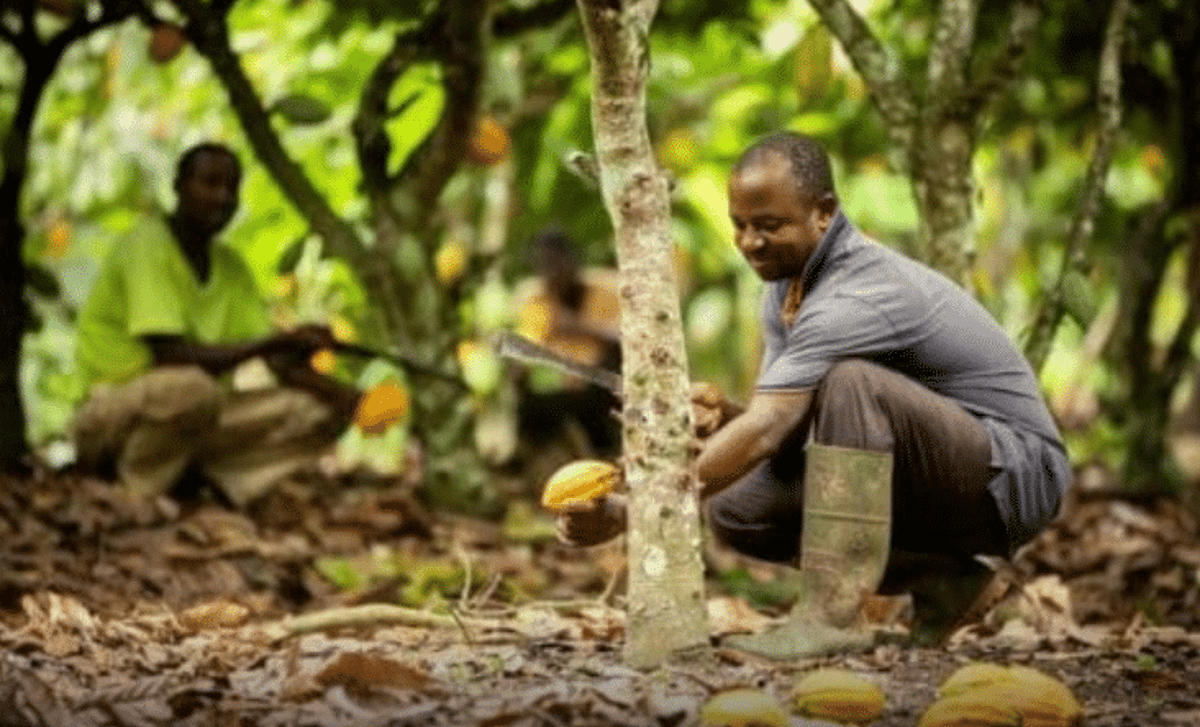
Jon Trask on How Dimitra Is Bridging the Gap Between AI and Smallholder Farming
Key Takeaways
- •Mobile‑first platform works offline, enabling data sync when connectivity returns
- •AI gives plot‑level recommendations for farms under one hectare
- •Digital champions onboard ten farmers daily, targeting one million by year‑end
- •ABRAFRUTAS pilots cut compliance time 30% and boost traceability
- •2026 seen as pivotal as AI, regulation, and climate converge
Pulse Analysis
The push toward digital agriculture has accelerated as climate change, population growth, and stricter sustainability mandates strain traditional farming. Smallholders—who produce the bulk of the world’s food—often lack reliable power or internet, creating a technology gap that hampers productivity and data collection. Industry analysts note that bridging this gap is essential for achieving the yield gains needed to meet 2050 food‑security targets, and AI‑driven decision support is emerging as the most scalable solution.
Dimitra tackles the connectivity challenge with a mobile‑first, offline‑first architecture that stores field data locally and syncs when a signal appears. By partnering with cooperatives and training “digital champions,” the firm creates a grassroots distribution network that can reach remote villages without requiring each farmer to own a device. The AI engine fuses satellite imagery, weather forecasts, and sensor inputs to generate plot‑specific recommendations, while blockchain records each action for auditability. Early pilots with Brazil’s ABRAFRUTAS fruit exporters have slashed compliance paperwork by roughly 30% and lifted traceability scores, demonstrating tangible ROI for both growers and exporters.
Looking ahead, 2026 is poised to be a watershed moment for ag‑tech. Governments across Europe, North America, and emerging markets are embedding AI and sustainability clauses into national agricultural policies, while insurers and financiers demand real‑time risk data. As extreme weather events become more frequent, the ability to adjust planting schedules or input rates on a hectare‑by‑hectare basis will become a competitive advantage. Investors are already earmarking billions for platforms that can scale to millions of smallholders, and Dimitra’s roadmap—targeting one million users by year‑end—positions it to capture a sizable share of this emerging market.
Jon Trask on How Dimitra Is Bridging the Gap Between AI and Smallholder Farming
Comments
Want to join the conversation?