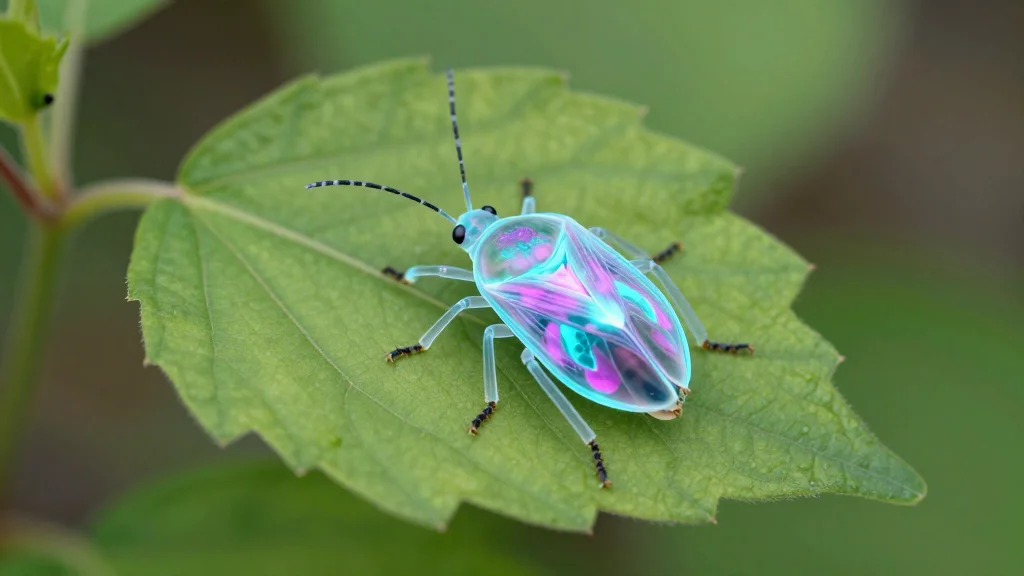
Targeting Crop-Munching Agricultural Pests with Nanotechnology
Key Takeaways
- •Nanotech delivers chemicals to pests based on DNA, sparing pollinators
- •CLS X‑ray fluorescence maps pesticide distribution inside lygus bugs and cutworms
- •Targeted approach could cut global pre‑harvest losses from 40% to lower levels
- •Canadian ag sector worth ~US$105 billion stands to gain efficiency
- •VR 3‑D models enable researchers to visualize insect interiors in real time
Pulse Analysis
The agricultural industry faces a persistent challenge: insect pests destroy up to 40% of pre‑harvest yields, translating into billions of dollars in lost revenue. Conventional pesticide regimes rely on broad‑spectrum sprays that not only foster resistance but also jeopardize pollinators and natural predators. Nanotechnology offers a paradigm shift by enabling molecular‑level precision—delivering toxic agents only to insects that carry specific genetic markers. This precision agriculture concept aligns with growing consumer demand for sustainable food production and tighter environmental regulations.
At the heart of this breakthrough is the Canadian Light Source’s BioXAS beamline, which produces high‑resolution X‑ray fluorescence images of insects. By visualizing where minerals and pesticide residues accumulate inside lygus bugs and cutworms, scientists can identify protein hotspots unique to pest species. The data feed a custom software suite that renders immersive 3‑D models in virtual reality, allowing researchers to explore insect anatomy in unprecedented detail. Such insights accelerate the design of DNA‑guided nanocarriers that can infiltrate pest bodies while bypassing beneficial insects, effectively turning the “spray‑and‑pray” era into a relic.
Commercially, the technology could reshape the Canadian agri‑food landscape, a sector valued at roughly US$105 billion. Farmers would benefit from reduced chemical inputs, lower compliance costs, and higher yields, while downstream processors gain a cleaner supply chain. Moreover, the approach may influence global pesticide policy by demonstrating a viable path to minimize ecological impact. Ongoing work to extend the platform to weeds and fungal pathogens suggests a broader integrated‑pest‑management toolkit, positioning Canada at the forefront of next‑generation, eco‑friendly farming solutions.
Targeting crop-munching agricultural pests with nanotechnology
Comments
Want to join the conversation?