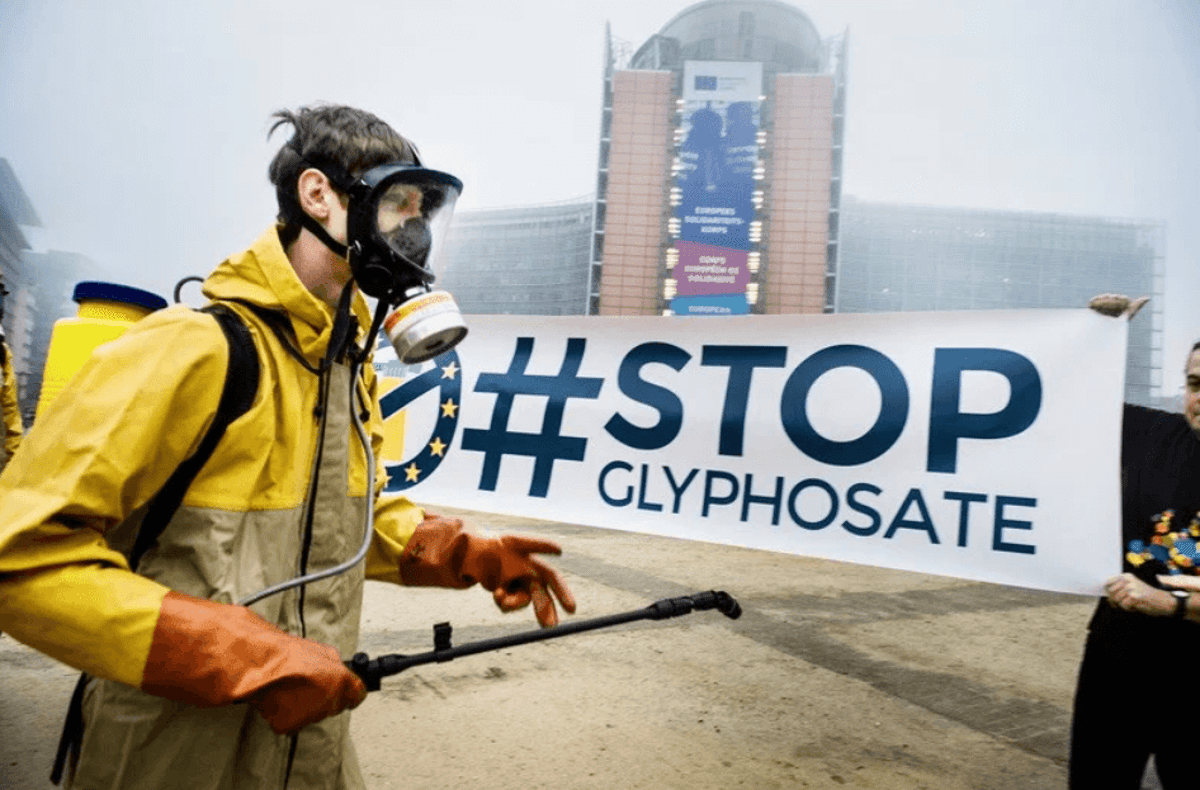
Viewpoint: The Herbicide Glyphosate Isn’t Perfect. Banning It Would Be Far Worse.
Key Takeaways
- •Supreme Court will hear glyphosate liability case April 27, 2026.
- •EPA still classifies glyphosate non‑carcinogenic, unlike many alternatives.
- •Banning glyphosate could push farmers to more toxic herbicides like paraquat.
- •Glyphosate enables no‑till farming, reducing diesel use and soil erosion.
- •EPA pesticide registration delays stall new, safer herbicide development.
Pulse Analysis
The pending Supreme Court hearing in *Monsanto Co. v. Durnell* puts the future of glyphosate at the national stage. John Durnell, diagnosed with non‑Hodgkin’s lymphoma, alleges Monsanto failed to warn users of cancer risks, a claim the company rebuts by citing the EPA’s classification of glyphosate as a non‑carcinogen. A decision favoring the plaintiff could open the floodgates for thousands of similar suits, pressuring Bayer—owner of Monsanto—to negotiate a multibillion‑dollar settlement. Such a legal precedent would not only reshape corporate liability but also threaten the supply of the cheapest herbicide used on U.S. croplands.
Scientific reviews and extensive exposure data consistently show glyphosate’s toxicity to mammals, birds, and fish is lower than that of many competing herbicides. Alternatives like paraquat are banned in over 70 countries due to acute toxicity, while acetochlor carries suggestive carcinogenic evidence. Moreover, glyphosate’s role in no‑till and reduced‑tillage systems has cut diesel consumption, lowered dust emissions, and minimized soil erosion across millions of acres. Removing or restricting the chemical would likely force growers back to intensive tillage or to harsher chemicals, eroding both economic margins and environmental gains.
Policymakers face a paradox: public pressure to ban glyphosate clashes with the need for effective weed control. The article argues that the solution lies in accelerating research and streamlining EPA pesticide registrations, which currently delay more than three‑quarters of applications. Faster approval pathways could bring next‑generation, lower‑impact herbicides to market, preserving the benefits of weed management while addressing safety concerns. Until such innovations are widely available, a balanced regulatory approach that maintains glyphosate access under strict stewardship is essential for food security and sustainable farming.
Viewpoint: The herbicide glyphosate isn’t perfect. Banning it would be far worse.
Comments
Want to join the conversation?