Key Takeaways
- •Community seed banks supplied quality seeds, preventing sowing delays.
- •Farmer achieved ~23 quintals per acre yield with PBW 872.
- •Initiative cut reliance on external seed sources after floods.
- •Seed banks boost local exchange and climate‑adaptation capacity.
- •Linking to national genebank preserves landrace diversity.
Pulse Analysis
Punjab’s monsoon floods have underscored the vulnerability of smallholder agriculture to climate extremes. Community seed banks, a model pioneered by the state’s agricultural university, act as decentralized depots that store certified improved varieties and, potentially, traditional landraces. By situating seed supplies within villages, the system eliminates the logistical bottlenecks that typically delay planting after a disaster, ensuring that farmers can sow on schedule and avoid the costly penalty of missed windows. This localized approach also reduces transaction costs associated with purchasing seeds from distant commercial dealers.
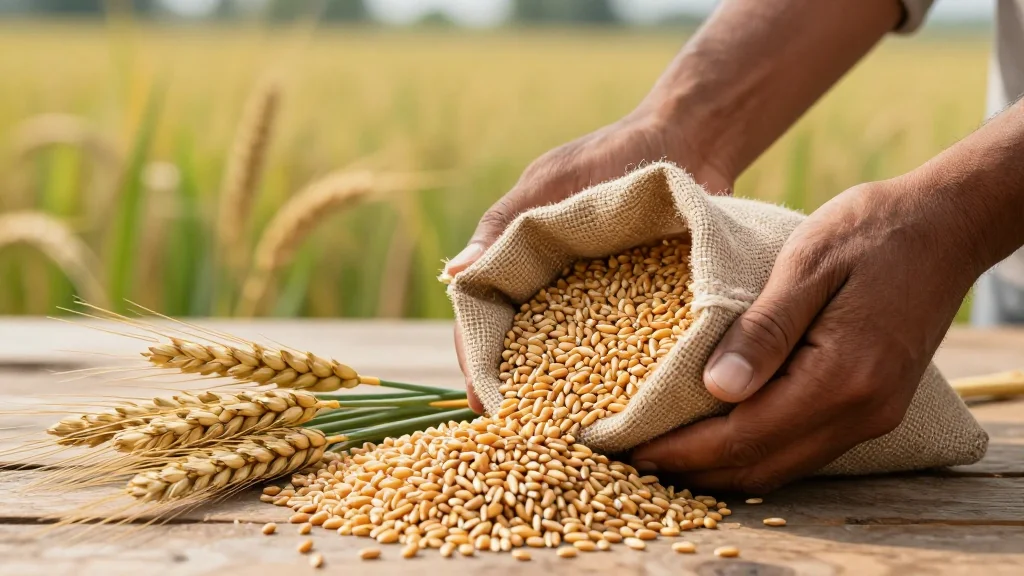
The tangible benefits are evident in the field reports. A farmer in Baopur Jadid cited a 23‑quintal‑per‑acre wheat harvest after accessing PBW 872 seed from the community bank, a yield that would have been unlikely had planting been postponed. Across the flood‑hit districts, growers report fewer delays, lower reliance on external seed markets, and a growing confidence to retain seed for the next cycle. Economically, this translates into steadier cash flows, improved food security, and a buffer against price volatility that often follows natural calamities.
Looking ahead, the initiative’s success hinges on integrating community banks with the national genebank network. While the current focus on improved varieties boosts short‑term productivity, preserving local landraces is critical for long‑term resilience, as they harbor traits for drought tolerance, pest resistance, and soil adaptation. Policy makers should therefore incentivize the inclusion of indigenous germplasm in village banks and fund training on seed‑exchange protocols. Such a hybrid system can sustain agricultural diversity, empower farmers, and reinforce the broader goal of climate‑smart agriculture in South Asia.
When the levee breaks
Comments
Want to join the conversation?