A Dream that Went From the Garden to an Aquaponic Facility
Companies Mentioned
Why It Matters
By demonstrating low‑cost, high‑yield aquaponics, the facility offers a scalable model for urban food security and could accelerate adoption of closed‑loop farming in the U.S. and Europe.
Key Takeaways
- •Facility produces 15,000 lb organic greens weekly.
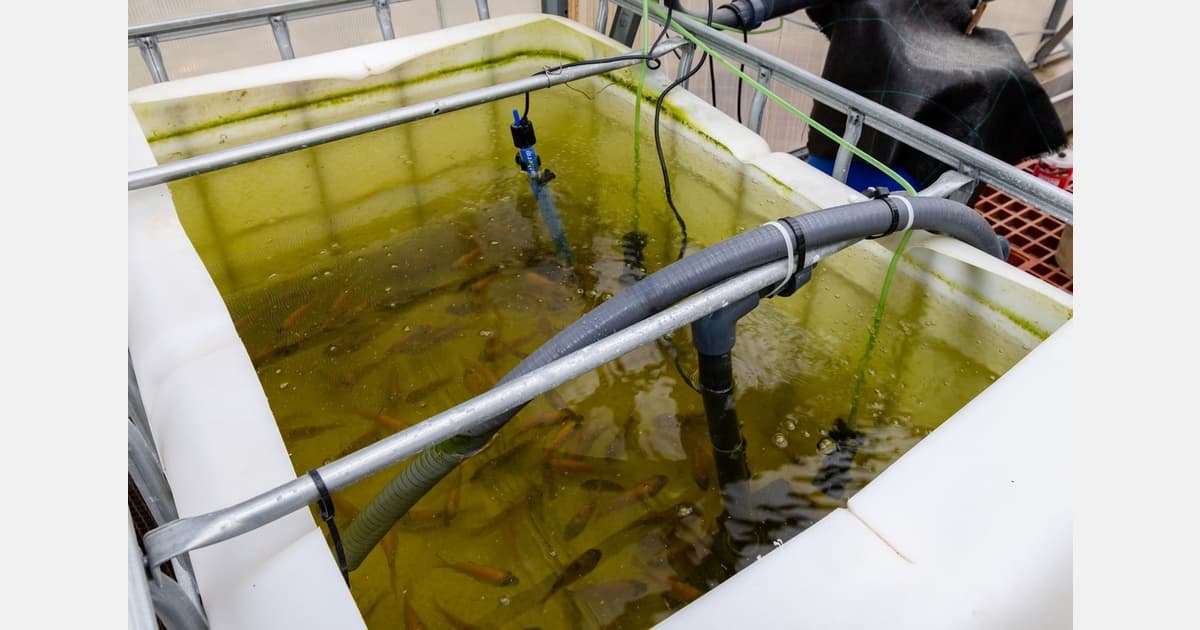
- •40,000 hybrid striped bass provide nutrient-rich water.
- •CAPEX around €650 ($700) per square meter.
- •Aquaponics cuts costs tenfold versus liquid CO₂.
- •Model targets higher yields on smaller urban footprints.
Pulse Analysis
Aquaponics, the symbiotic integration of fish cultivation and soilless plant growth, has moved from niche research labs to commercial-scale operations in recent years. The technology addresses two pressing challenges: reducing agricultural water use and cutting greenhouse‑gas emissions associated with fertilizer production. As cities grapple with supply‑chain vulnerabilities, investors and municipalities are scouting closed‑loop systems that can be sited on rooftops, vacant warehouses, or repurposed industrial land, positioning aquaponics as a cornerstone of resilient urban food networks.
The Forever Young Aquaponics facility exemplifies this transition by marrying a 40,000‑fish stock of hybrid striped bass with a greenhouse that yields roughly 15,000 lb of organic lettuce each week. At an estimated capital expense of €650 per square meter—about $700—its cost structure is roughly one‑tenth that of conventional liquid CO₂ enrichment used in vertical farms. This low‑CAPEX model, combined with the dual revenue streams of fish and greens, improves cash flow and shortens payback periods, making it attractive to both impact investors and traditional agribusinesses seeking diversification.
Industry analysts see the Jonesboro project as a bellwether for broader market adoption. As European lettuce producers pivot toward the high‑efficiency, low‑footprint practices common in the United States, the demand for scalable aquaponic designs is expected to rise. Policy incentives for sustainable agriculture, coupled with growing consumer appetite for locally sourced, pesticide‑free produce, could accelerate financing pipelines. If replicated, such facilities may reshape regional food systems, lower transportation emissions, and create new agritech jobs, reinforcing the strategic importance of closed‑loop farming in the global push for climate‑smart agriculture.
A dream that went from the garden to an aquaponic facility
Comments
Want to join the conversation?
Loading comments...