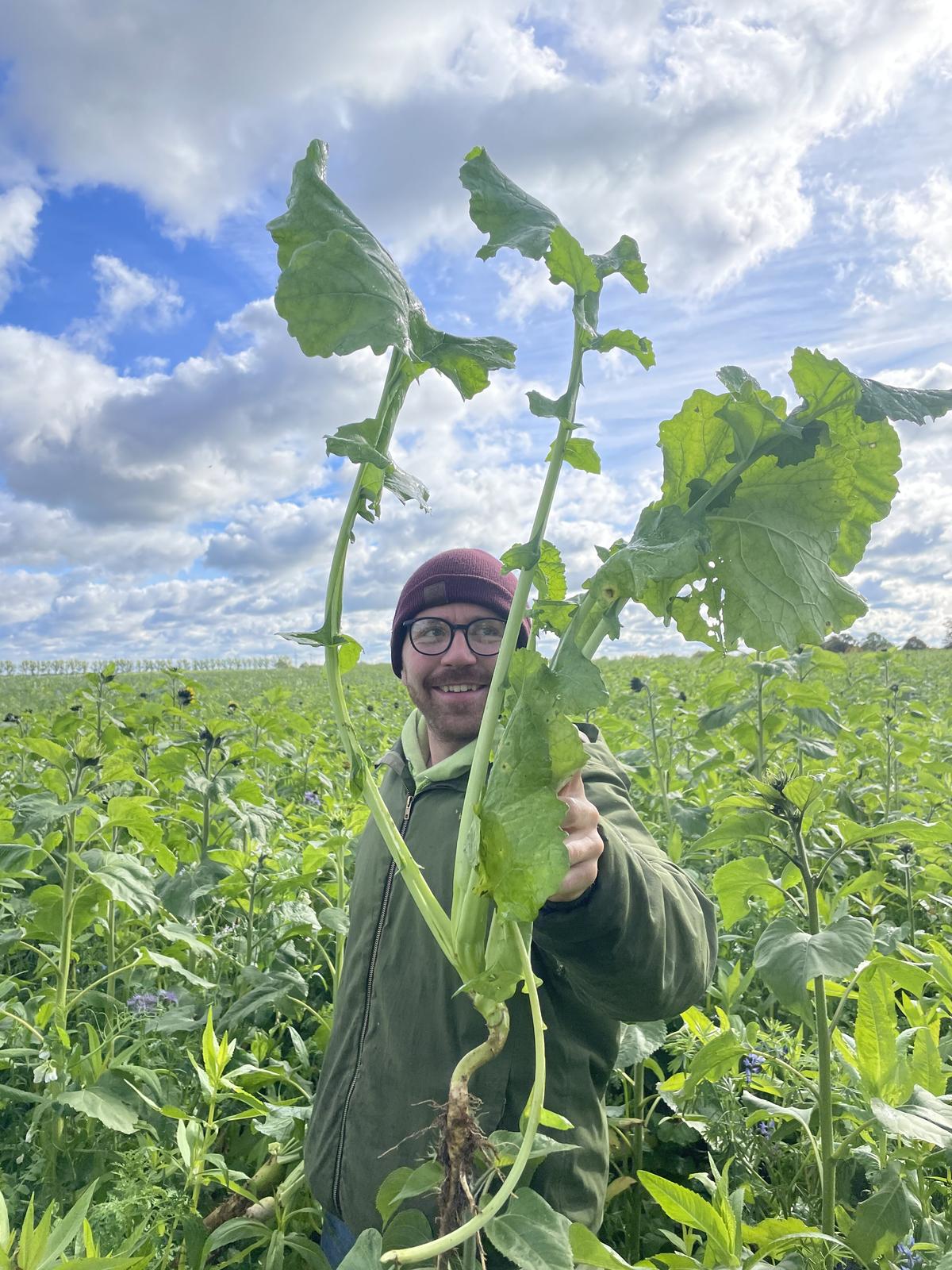
A Model for Regenerative Agriculture Takes Root in Germany: Connecting Farmers to Growing Market Demand
Why It Matters
The measurable emissions cuts prove regenerative methods can be commercially viable, offering growers new revenue streams while meeting Europe’s rising demand for climate‑smart commodities.
Key Takeaways
- •15 farms, 25,000 ha, reduced wheat emissions 33% below benchmark
- •Rapeseed emissions dropped 39% relative to German average
- •Hybrid incentive blends practice‑based and outcome‑based payments
- •Digital toolbox from ADM and Klim provides data, field visits
- •Farmers cite machinery access and fertilizer use as scaling hurdles
Pulse Analysis
Regenerative agriculture is moving from niche experiments to mainstream supply‑chain strategy, driven by consumer pressure for low‑carbon food and stricter climate policies across Europe. ADM’s re:generations™ programme leverages Germany’s advanced farming base to showcase how coordinated data, digital platforms, and on‑ground expertise can accelerate soil health improvements. By selecting 15 progressive farms covering 25,000 hectares, the initiative creates a living laboratory where cover crops, undersowing and reduced tillage are tested at scale, generating real‑world emissions data that can be audited and monetized.
The programme’s results speak loudly: wheat grown under the model emitted 33% less CO₂e than the national average, while rapeseed achieved a 39% reduction. These gains stem from a hybrid incentive structure that rewards both the adoption of specific practices and the verified outcomes they produce. ADM and agritech partner Klim supply a “toolbox” that combines satellite‑derived field analytics, soil sampling, and regular agronomist visits, ensuring farmers receive actionable insights rather than raw data. However, participants flag persistent barriers—limited access to specialized low‑tillage machinery and the continued reliance on synthetic fertilizers—which temper the speed of broader rollout.
The broader significance lies in the model’s replicability. By aligning farmer profitability with measurable climate benefits, ADM creates a template that can be exported across Europe’s diverse cropping systems. As retailers and food processors tighten sustainability criteria, farms that can certify emissions‑reduced yields will command premium prices, reinforcing the business case for further investment. Continued refinement of incentive mechanisms, expansion to additional crops, and simplification of data onboarding are poised to unlock larger adoption, positioning regenerative agriculture as a cornerstone of the continent’s food‑security and climate‑resilience agenda.
A model for regenerative agriculture takes root in Germany: Connecting farmers to growing market demand
Comments
Want to join the conversation?
Loading comments...