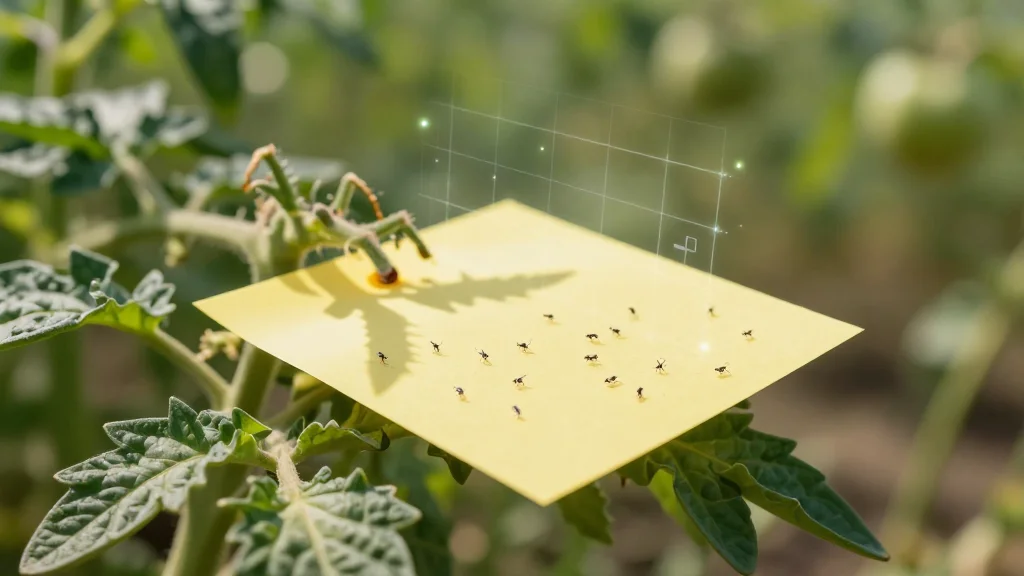
AI-Powered Forecasts Sharpen Early Warning for Destructive Crop Pest
Why It Matters
Accurate, early pest warnings enable growers to apply controls before outbreaks, protecting yields and reducing pesticide use. The technology signals a broader move toward data‑driven, precision agriculture in the United States.
Key Takeaways
- •AI models achieved ~88% accuracy in open-field thrips forecasts
- •High‑tunnel predictions reached ~85% accuracy using 1,700 traps
- •Parent population size two weeks prior is key outbreak driver
- •Microclimate differences cause models to fail across adjacent fields
- •Early AI warnings could shift pest management from reactive to preventive
Pulse Analysis
Western flower thrips are a notorious "supervector" that can devastate vegetable and commodity crops by spreading viruses and feeding damage. Traditional scouting methods rely on simple temperature or humidity thresholds, often lagging behind actual population spikes. The economic stakes are high; even modest thrips infestations can translate into millions of dollars in lost revenue for U.S. growers, especially in high‑value tomato and pepper markets. As climate variability intensifies, the need for granular, real‑time pest intelligence has become a critical component of modern agronomy.
The Texas A&M study leveraged an unprecedented dataset—nearly 1,700 weekly sticky‑trap counts combined with 16 climate and agronomic variables—to train machine‑learning algorithms. By incorporating the size of the parent population from two weeks earlier, the models captured the lagged dynamics that drive outbreak potential. Results showed localized forecasts achieving roughly 88% accuracy in open fields and 85% in high‑tunnel systems, outperforming conventional models by a wide margin. However, the research also revealed that microclimate nuances can cause a single model to break down when applied across adjacent environments, underscoring the importance of site‑specific calibration.
Beyond thrips, the success of AI‑enabled forecasting heralds a broader shift toward precision pest management across U.S. agriculture. Early warnings allow growers to time insecticide applications more precisely, reducing chemical use, labor costs, and environmental impact. As data collection becomes cheaper through IoT sensors and remote sensing, similar models could be adapted for other pests and diseases, creating a scalable decision‑support ecosystem. Industry stakeholders—from seed companies to ag‑tech investors—are likely to accelerate adoption, positioning AI as a cornerstone of sustainable, high‑output farming in the coming decade.
AI-powered forecasts sharpen early warning for destructive crop pest
Comments
Want to join the conversation?
Loading comments...