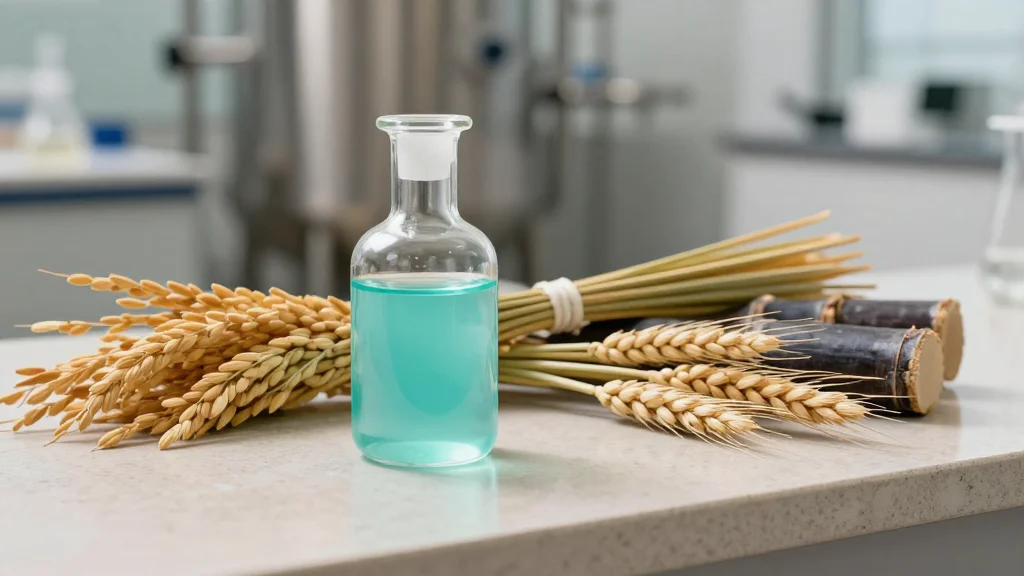
AltM: Scaling Bio-Based Materials From Agri-Residue
Companies Mentioned
Why It Matters
By turning waste biomass into scalable industrial feedstocks, altM could cut India’s reliance on petrochemicals, lower emissions from residue burning, and unlock a new value chain for farmers, while offering European manufacturers compliant, low‑carbon material alternatives.
Key Takeaways
- •altM converts rice straw, wheat straw, and bagasse into specialty chemicals
- •Integrated biorefinery processes full agri‑residue stream, boosting utilization and economics
- •Pilot plant runs 15‑50 t/yr; first commercial unit aims 1,500‑2,000 t/yr
- •Seed round raised $3.5 M, funding R&D, pilot infrastructure, and customer trials
Pulse Analysis
India generates hundreds of millions of tonnes of agricultural residue each year, much of which is burned, creating seasonal smog and releasing carbon dioxide. At the same time, the global demand for sustainable packaging, cosmetics, textiles and chemicals is accelerating, pressuring manufacturers to replace petroleum‑derived inputs. This mismatch creates a sizable market for low‑cost, renewable feedstocks that can be sourced locally. Converting lignocellulosic waste into value‑added chemicals not only mitigates air‑quality issues but also diversifies rural incomes, aligning with India’s climate‑action goals and the circular‑economy agenda.
altM tackles the problem with an integrated biorefinery that extracts cellulose, hemicellulose, lignin and silica from rice straw, wheat straw and sugarcane bagasse, then upgrades each stream into specialty products such as a rheology modifier for cosmetics, a formaldehyde‑free wood adhesive and an SPF booster. Unlike many bio‑material firms that monetize a single fraction, altM’s “full‑stream” approach improves material yield and economics, enabling pilot production of 15‑50 tonnes per year. The founders’ manufacturing background from Tesla informs a “scale‑first” R&D pipeline that bridges lab breakthroughs to industrial reality.
With $3.5 million of seed capital, altM plans to launch its first commercial plant in early 2027, targeting 1,500‑2,000 tonnes annually and a five‑year capacity of 10,000 tonnes. European buyers, driven by strict sustainability labeling and carbon‑reduction mandates, represent the initial export market, while Indian farmers stand to earn from residue collection contracts. If the company meets its scaling milestones, it could displace a measurable share of petrochemical feedstocks, reduce open‑field burning, and demonstrate a replicable deep‑tech model for India’s burgeoning bio‑materials sector.
altM: Scaling bio-based materials from agri-residue
Comments
Want to join the conversation?
Loading comments...