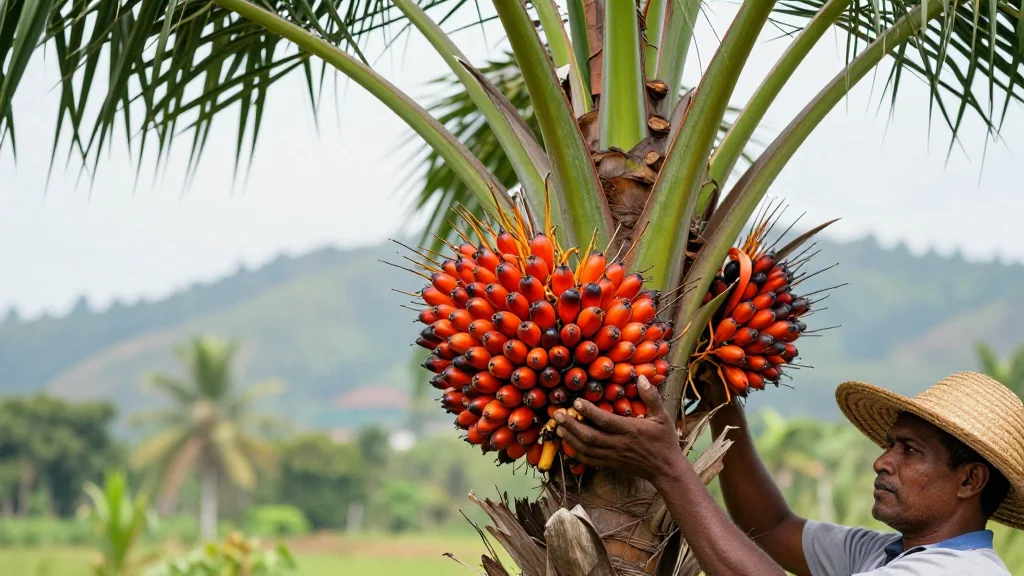
APOA Welcomes Sri Lanka’s Move to Lift Ban on Oil Palm Cultivation
Why It Matters
Lifting the ban could lower Sri Lanka’s reliance on costly palm‑oil imports while fostering a sustainable domestic sector, setting a regional precedent for balancing food security with environmental safeguards.
Key Takeaways
- •Sri Lanka plans to lift oil‑palm cultivation ban
- •APOA cites edible‑oil security and rural livelihoods
- •Sustainability safeguards required for domestic palm‑oil production
- •Policy shift may reduce Sri Lanka’s palm‑oil import bill
- •Regional collaboration urged for science‑led palm‑oil policies
Pulse Analysis
Sri Lanka’s reconsideration of its oil‑palm ban arrives at a critical juncture for Asian food systems. The island nation has long depended on imported palm oil to meet consumer demand, despite a domestic cultivation moratorium introduced years ago. By moving toward a regulated, sustainable framework, Sri Lanka aims to cut import costs, bolster farmer incomes, and enhance national edible‑oil resilience. This policy shift aligns with broader regional efforts to achieve self‑reliance in staple commodities, a priority amplified by recent supply‑chain disruptions and volatile global oil markets.
The sustainability angle is central to APOA’s endorsement. Palm oil remains the most yield‑efficient vegetable oil, but its expansion has historically raised concerns about deforestation, biodiversity loss, and carbon emissions. APOA stresses that rigorous traceability, land‑use planning, and adherence to internationally recognized standards can mitigate these risks. By integrating scientific assessments and stakeholder collaboration, Sri Lanka can develop a model that delivers economic benefits without compromising environmental stewardship, offering a template for neighboring countries grappling with similar trade‑off dilemmas.
Beyond immediate economic gains, the decision signals a strategic pivot toward inclusive, climate‑smart agriculture across South Asia. Engaging smallholders, civil‑society groups, and research institutions can foster transparent supply chains and empower local communities. If executed effectively, Sri Lanka’s approach could catalyze regional policy harmonization, encouraging other oil‑importing nations to adopt sustainable domestic production. The outcome will likely influence investor confidence, trade negotiations, and the broader narrative of how developing economies balance growth with ecological responsibility.
APOA welcomes Sri Lanka’s move to lift ban on oil palm cultivation
Comments
Want to join the conversation?
Loading comments...