Are Southeast Asia’s Organic Farmers More Resilient to Fertiliser Price Spikes?
Why It Matters
The divergence in cost exposure highlights organic farming as a buffer against volatile input markets, shaping regional food‑security and influencing agricultural policy decisions.
Key Takeaways
- •Organic farms cover <0.5% of SE Asia agricultural land.
- •Fertilizer price surge hits chemical farms, but organic farms less affected.
- •Transition to organic requires 3‑4 years to restore soil health.
- •Compost needs 20‑30 bags per sack of urea, raising labor costs.
- •Governments weigh subsidies and gradual integration to sustain yields.
Pulse Analysis
The recent surge in nitrogen‑based fertiliser prices stems from disrupted urea shipments through the Strait of Hormuz, a chokepoint for the 11% of Southeast Asian imports that originate in the Middle East. With global energy markets also tightening, the cost of diesel‑powered irrigation and transport has risen sharply, eroding profit margins for conventional growers who depend on imported chemicals. This macro‑economic pressure is prompting a reassessment of input strategies across rice‑, wheat‑ and corn‑producing nations such as Malaysia, Indonesia and the Philippines.
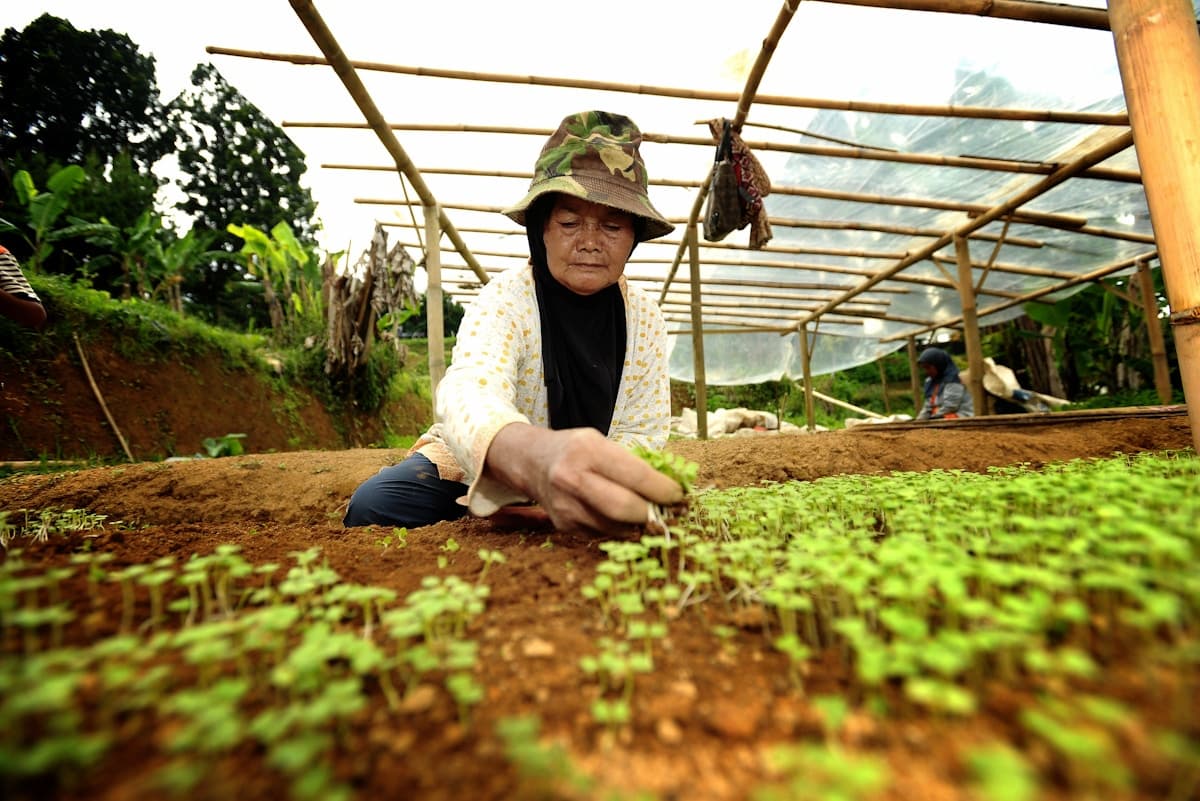
Organic producers like Malaysia’s Sakiinah Mahamad Hakimi demonstrate a degree of resilience by substituting synthetic inputs with locally sourced compost and animal manure. Their integrated, circular model reduces exposure to external price shocks, but the transition is resource‑intensive: restoring soil biology can take three to four years, and applying 20‑30 bags of compost to replace a single sack of urea inflates labour costs. Indonesia’s 1000 Kebun collective shows how community‑driven, compost‑centric supply chains can deliver affordable, pesticide‑free produce, yet scaling these practices remains constrained by limited feedstock, lack of quality standards, and the need for specialised training.
Governments are therefore exploring a middle path that blends subsidies for both organic and conventional inputs while encouraging gradual adoption of regenerative techniques. Incentives tied to ASEAN Good Agricultural Practices could improve fertiliser efficiency and curb waste, while targeted fuel and fertiliser subsidies would alleviate immediate cost pressures on smallholders. Learning from Sri Lanka’s abrupt organic rollout, policymakers are urged to engage stakeholders early and design hybrid models that protect yields, sustain rural livelihoods, and build long‑term soil health across the region.
Are Southeast Asia’s organic farmers more resilient to fertiliser price spikes?
Comments
Want to join the conversation?
Loading comments...