Why It Matters
Early detection of armyworm populations gives growers a critical window to implement preventative measures, potentially averting significant yield losses during the vulnerable mid‑summer period.
Key Takeaways
- •Traps capture 250‑550 true armyworm moths weekly in Wisconsin
- •High moth numbers signal potential July crop damage, not immediate June threat
- •Last year saw extreme armyworm outbreak in southern and western Wisconsin
- •Armyworms poorly overwinter; spring monitoring crucial for early warning
- •Large moth flights don’t always translate to severe infestations
Pulse Analysis
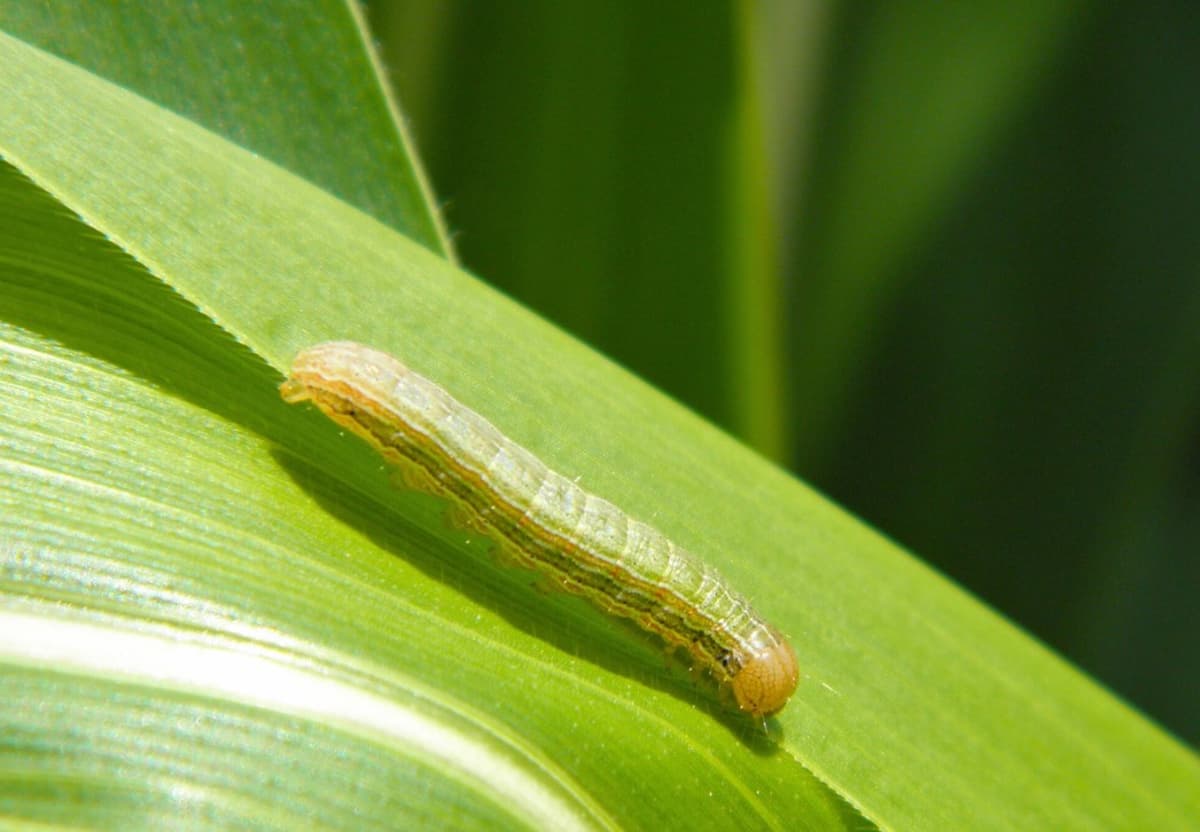
True armyworm (Mythimna unipuncta) is a migratory lepidopteran that can devastate corn, soybeans and other row crops when larvae feed en masse. Adults emerge in the spring and travel north on prevailing winds, laying eggs that hatch into larvae capable of consuming entire leaf canopies. Because the pest’s life cycle is tightly linked to temperature and moisture, early-season moth counts serve as a proxy for potential larval pressure later in the growing season. Understanding these dynamics helps agronomists predict hotspots and advise growers on scouting schedules.
This year’s trap data from Wisconsin shows weekly captures ranging from 250 to 550 moths, a level that exceeds typical baseline figures but falls short of last year’s outbreak peaks. Hamilton’s assessment suggests that while June damage may remain limited, the abundant adult population could seed a robust second generation in July, when larvae are most voracious. Compared with the 2025 season—when southern Wisconsin reported over a million larvae per acre—the current numbers indicate a moderate risk, yet they still warrant heightened vigilance, especially for fields already stressed by drought or nutrient deficiencies.
State agencies and extension services are leveraging these early warnings to promote integrated pest management (IPM) strategies. Recommendations include timely scouting for larval feeding signs, employing threshold‑based insecticide applications, and preserving natural enemies such as parasitic wasps. Advances in predictive modeling, which incorporate trap counts, weather patterns, and crop phenology, enable more precise forecasts, helping growers allocate resources efficiently. By staying attuned to moth flight trends, the agricultural community can mitigate potential yield impacts and maintain profitability throughout the season.
Armyworm moths already plentiful
Comments
Want to join the conversation?
Loading comments...