Why It Matters
The export surge underscores Australia’s growing influence in the global canola market and highlights shifting demand toward Europe and China, while geopolitical risks could reshape trade flows. This dynamic will affect commodity pricing and biofuel supply chains worldwide.
Key Takeaways
- •February exports hit 883,243 t, up 55% from January
- •Belgium, Netherlands, Germany together hold >45% of February shipments
- •China’s February volume more than doubled January, signaling growing market share
- •UAE shipments likely to pause in March due to Persian Gulf closure
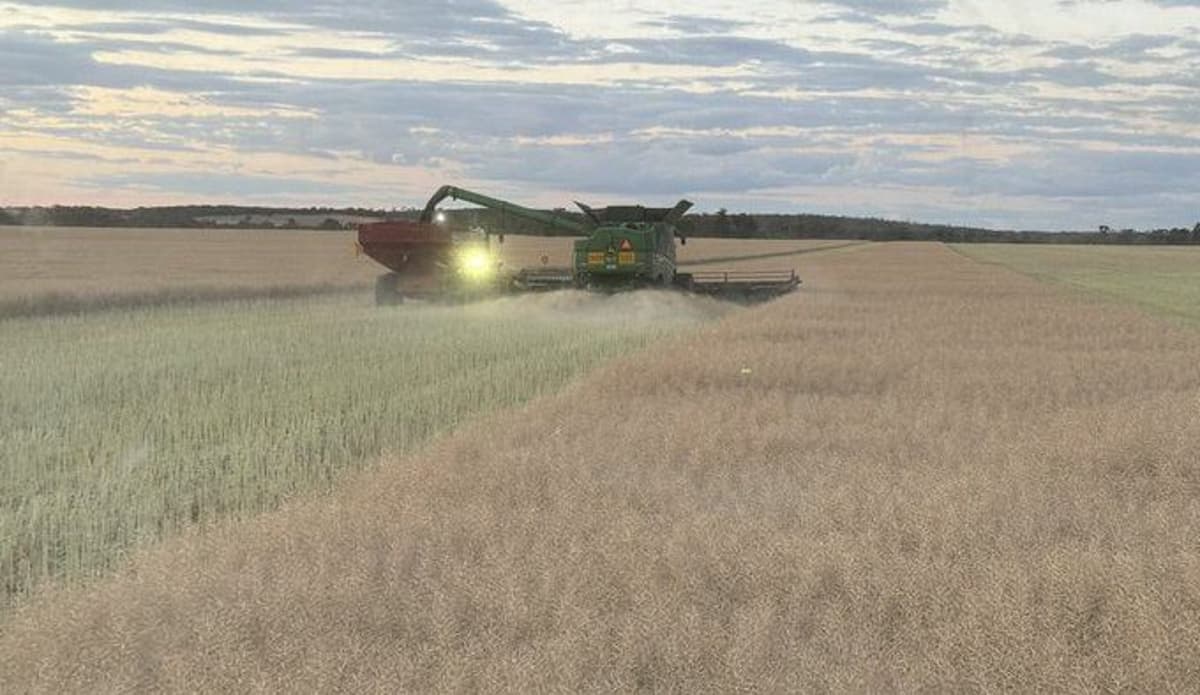
- •Record Western Australian crop fuels export surge, supporting strong execution narrative
Pulse Analysis
Australia’s February canola export figures signal a turning point for the nation’s grain sector. At 883,243 tonnes, shipments surged well beyond seasonal expectations, propelled by an unprecedented Western Australian harvest that outperformed previous years. European buyers, particularly Belgium, the Netherlands and Germany, accounted for nearly half of the total, reflecting the continent’s appetite for high‑quality oilseed amid tightening supplies elsewhere. This export momentum not only boosts farm incomes but also reinforces Australia’s reputation as a reliable supplier in a market traditionally dominated by Canada and the EU.
China’s role in the February data is equally noteworthy. The Asian giant’s imports jumped to 123,550 tonnes, more than double its January volume, indicating a strategic pivot toward Australian canola as it diversifies away from traditional sources. Meanwhile, the United Arab Emirates, a regular mid‑tier buyer, faces an uncertain March outlook after recent Persian Gulf hostilities disrupted shipping lanes. Such geopolitical friction can quickly re‑route cargoes, underscoring the importance of flexible logistics for exporters. On the demand side, biofuel mandates across Europe and North America continue to underpin medium‑term consumption, even as short‑term physical demand remains muted.
Looking ahead, the confluence of abundant supply, evolving demand patterns, and external risk factors will shape global canola pricing. While short‑term markets may experience sideways movement or modest declines, the underlying biofuel policy framework offers a cushion against deeper price erosion. Traders and processors should monitor European policy shifts, Chinese import trends, and shipping corridor stability to capitalize on arbitrage opportunities. For Australian growers, maintaining high yields and quality will be critical to sustaining the export surge and securing a stronger foothold in the competitive global oilseed arena.
Australia exports 883,243t of canola in Feb
Comments
Want to join the conversation?
Loading comments...