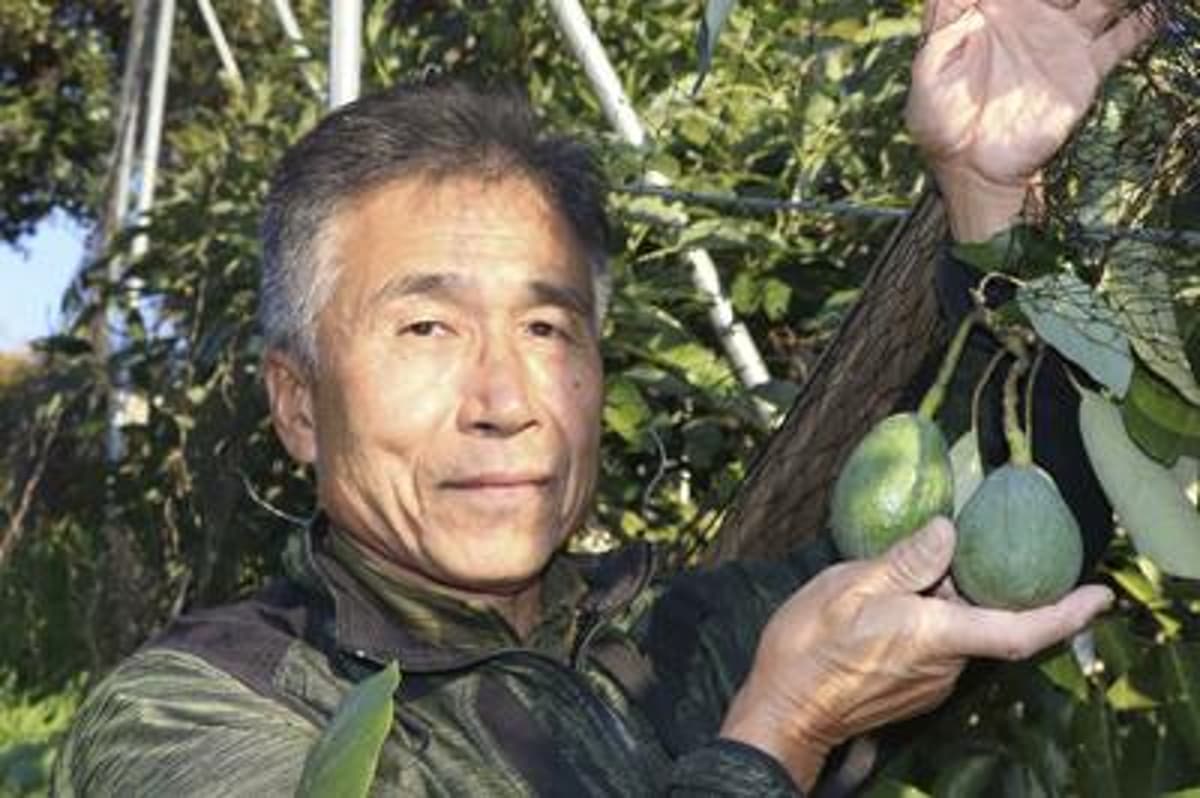
Avocado Farming Rises as Citrus-Making Japan City Eyes Global Warming
Why It Matters
The pivot to avocados illustrates how Japanese agriculture is adapting to climate change, opening new revenue streams while mitigating the risk of declining citrus yields.
Key Takeaways
- •Matsuyama avocado output grew 12‑fold to 7,300 kg in FY2024
- •Avocado price averages ¥5,000 ($32) per kilogram
- •Climate models project Japan’s avocado‑suitable land to triple by 2050
- •Ministry subsidy starts FY2026 to boost heat‑tolerant crops
- •Aomori expands peaches, Oita adds muscats as citrus zones shift north
Pulse Analysis
Japan’s traditional citrus belt is feeling the heat of global warming, and farmers in Matsuyama, Ehime Prefecture are turning that challenge into opportunity by planting avocados. The fruit, dubbed “the butter of the forest,” thrives in warmer climates, making it a logical substitute as average summer temperatures climb. Since 2009, local officials have supported the transition with seedling grants, and the results are evident: avocado harvests have multiplied more than twelve times in a decade, reshaping the region’s agricultural identity.
Economically, the shift is gaining traction. Avocados now command roughly ¥5,000 ($32) per kilogram, a premium that offsets the higher labor and management costs associated with the sensitive crop. Recognizing the potential, the Ministry of Agriculture, Forestry and Fisheries announced a subsidy program for FY2026 aimed at accelerating the adoption of heat‑tolerant varieties across the country. This financial backing reduces entry barriers for growers, encourages research into disease‑resistant strains, and signals confidence in a market that could rival traditional citrus exports.
The Matsuyama case is part of a wider national trend. Projections from the National Agriculture and Food Research Organization indicate that suitable land for avocado cultivation could expand 2.5‑fold or more by 2050, while citrus zones migrate northward. Prefectures such as Shizuoka, Aomori, and Oita are already diversifying into peaches, muscats, and other climate‑compatible crops. For investors and agribusinesses, these developments suggest emerging supply chains, new export opportunities, and a need for innovative farming technologies to sustain productivity in a warming Japan.
Avocado farming rises as citrus-making Japan city eyes global warming
Comments
Want to join the conversation?
Loading comments...