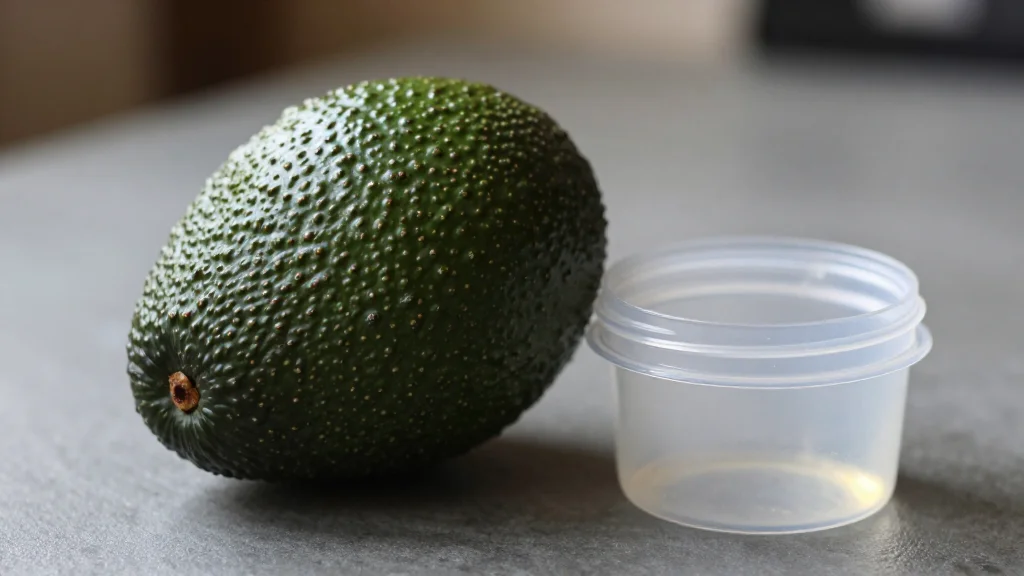
Chile Promotes Research to Improve the Quality of Hass Avocados and Reduce Black Spots
Why It Matters
Black‑spot losses erode profit margins for Chile’s avocado exporters and inflate food waste; predictive tools and optimized storage can safeguard revenues and enhance sustainability across the supply chain.
Key Takeaways
- •Black spot affects 10‑20% of Chile’s exported Hass avocados.
- •Controlled atmosphere reduces metabolism, limiting spot formation during transport.
- •Four‑year study seeks peel lipid biomarkers to predict spot risk.
- •Early predictors could steer market routing, cut waste, boost export competitiveness.
Pulse Analysis
Chile has become a powerhouse in the global Hass avocado market, with per‑capita consumption soaring to nearly 20 pounds in 2025—double the level just a year earlier. This rapid growth has amplified the economic stakes of black‑spot disorder, a storage‑induced blemish that, while harmless to the pulp, triggers consumer rejection and accounts for up to one‑fifth of export losses. The visual defect undermines brand reputation and forces exporters to discount or discard affected lots, pressuring margins in an already competitive trade environment.
The research spearheaded by the Pontifical Catholic University of Valparaíso applies controlled‑atmosphere (CA) technology, which tweaks oxygen and carbon‑dioxide levels to slow fruit metabolism and curb reactive‑oxygen‑species formation. Pedreschi’s team is extending CA’s promise by probing the underlying hormonal and molecular pathways, and by mapping the avocado peel’s lipidome to uncover early biomarkers of susceptibility. By analyzing thousands of fruit samples across Chile’s diverse agro‑climatic zones, the study aims to produce a practical diagnostic kit that flags high‑risk batches at harvest, allowing growers and exporters to adjust logistics, select optimal destination markets, or apply targeted treatments before spoilage sets in.
If successful, the initiative could slash waste, improve export quality, and reinforce Chile’s standing in the premium avocado segment. The findings will be shared at the Global Avocado Summit on November 11, 2026, where industry leaders will evaluate how such scientific advances translate into commercial standards. For stakeholders—from growers to retailers—the prospect of reliable, science‑backed tools offers a pathway to higher yields, lower rejection rates, and a more sustainable supply chain, aligning profitability with the growing consumer demand for flawless, responsibly sourced avocados.
Chile promotes research to improve the quality of Hass avocados and reduce black spots
Comments
Want to join the conversation?
Loading comments...