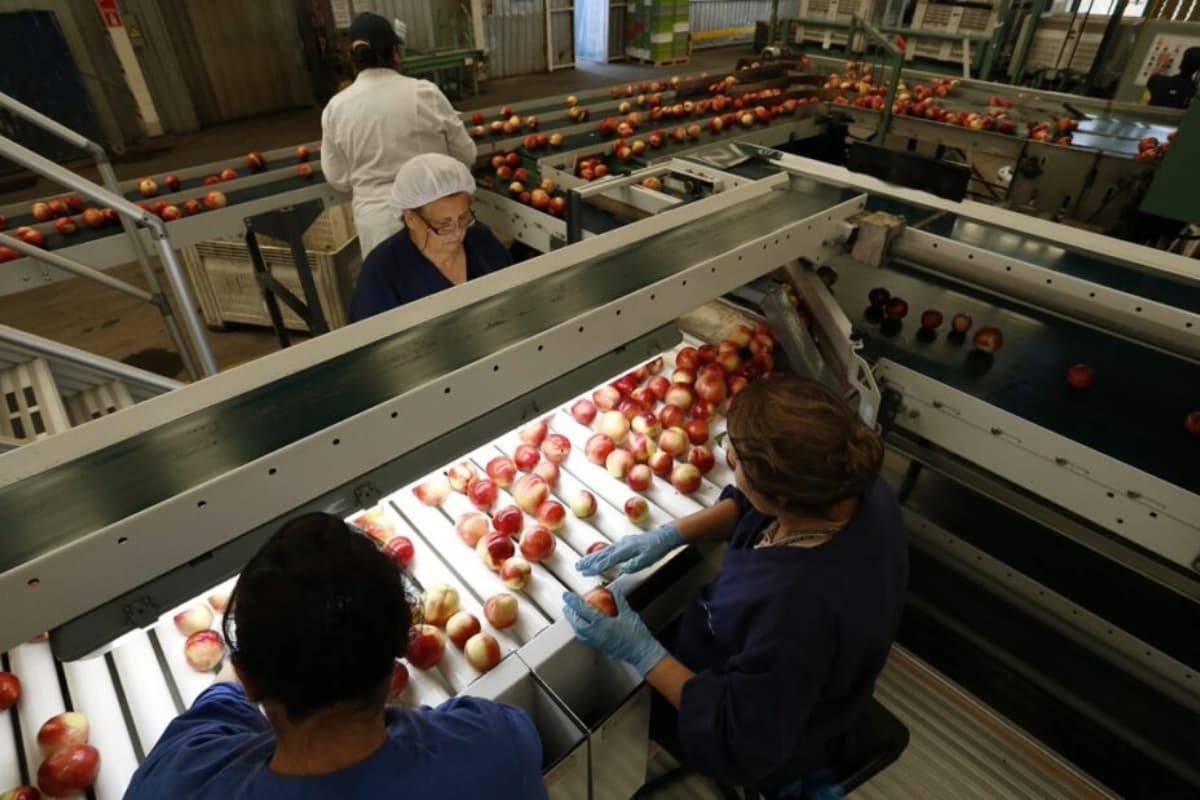
China and Chile Set up a Fully Digital Phytosanitary Certification System for Exports
Why It Matters
Digital certification streamlines border procedures, boosting export efficiency and strengthening food‑safety trust between Chile and China, while setting a template for wider adoption in global ag‑trade.
Key Takeaways
- •Chile launches electronic phytosanitary system for all China-bound ag exports
- •System cuts paperwork, lowers fraud risk, speeds border clearance
- •Over 663,000 tons of fruit certified for China in 2025‑26 season
- •First fully digital inspection process China adopts with a partner
- •Model could expand globally, accelerating trade digitization
Pulse Analysis
The shift to a fully digital phytosanitary certification system reflects a broader trend toward paperless trade infrastructure, driven by advances in data exchange standards and heightened demand for supply‑chain transparency. By integrating Chile’s SAG platform with China’s GACC customs network, both governments have eliminated manual document handling, reducing processing times from days to hours and curbing opportunities for counterfeit certificates. This alignment also leverages blockchain‑compatible records, ensuring immutable traceability from orchard to port, a capability increasingly prized by retailers and regulators alike.
For Chile, the timing is strategic. The country ships more than 660,000 tons of fresh fruit—chiefly cherries, plums and nectarines—to China each season, a market that accounts for a sizable share of its export revenue. The electronic system accelerates clearance, allowing shipments to reach Chinese distributors faster, which can translate into fresher produce and higher price premiums. Exporters benefit from a single, secure portal that automates compliance checks, freeing up resources previously tied to paperwork and manual inspections.
Internationally, the Chile‑China initiative could serve as a blueprint for other bilateral agreements, especially as major economies push for digital customs solutions under initiatives like the World Trade Organization’s Trade Facilitation Agreement. If replicated, the model may lower barriers for smaller producers, enhance food‑safety confidence across borders, and stimulate investment in agritech platforms. Ultimately, the success of this partnership underscores how digitization can reshape traditional trade flows, delivering efficiency gains while reinforcing standards that protect consumers worldwide.
China and Chile set up a fully digital phytosanitary certification system for exports
Comments
Want to join the conversation?
Loading comments...