Companies Mentioned
Why It Matters
Accurate, low‑cost AI monitoring can help farmers prove the ecological value of regenerative practices, unlocking premium markets and meeting emerging ESG requirements. At the same time, privacy and environmental trade‑offs must be managed to ensure the technology supports, rather than undermines, biodiversity goals.
Key Takeaways
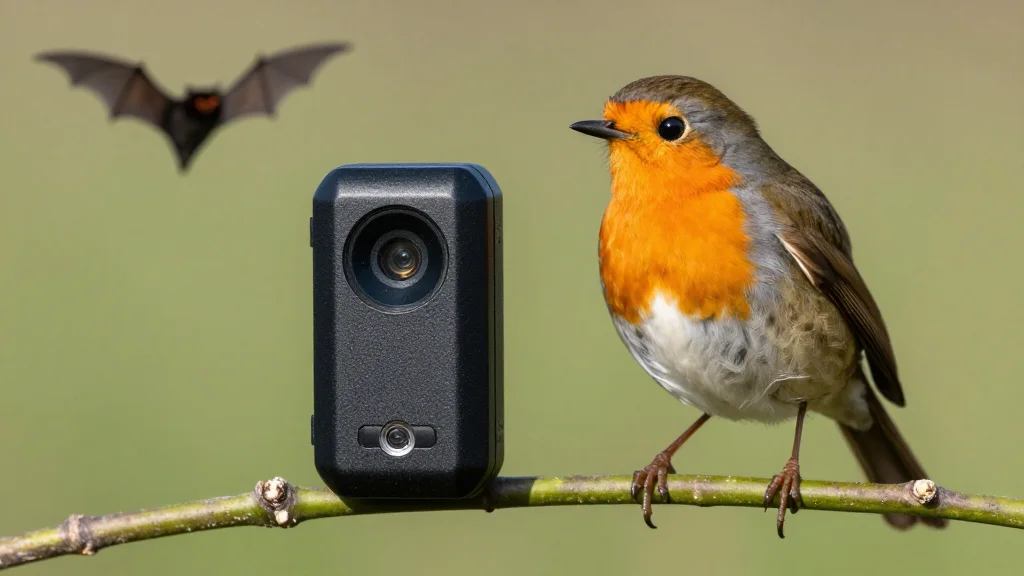
- •AI bioacoustic devices monitor birds, bats, and bees on farms
- •Marks & Spencer pilot showed non‑crop habitats drive 90% bee activity
- •AgriSound rentals cost $1–$4 per day per unit
- •TANIT app offers free AI pest ID, funded by buyers and NGOs
- •Data‑privacy concerns persist as farms share biodiversity metrics with tech firms
Pulse Analysis
The sixth mass extinction is accelerating, and conventional agriculture accounts for a large share of freshwater use, land conversion, and pesticide load. Regenerative farming seeks to reverse these trends by restoring habitats and encouraging pollinators, but measuring ecological outcomes has long been labor‑intensive. Recent AI‑driven bioacoustic sensors and computer‑vision platforms now give growers near‑real‑time species inventories, turning bird songs, bat echolocations, and insect flight patterns into actionable data. By automating what once required weeks of fieldwork, these tools promise to scale biodiversity monitoring across the 570 million U.S. farms.
Startups such as Wildlife Acoustics, AgriSound, and TANIT are already field‑testing low‑cost devices; AgriSound’s rental model runs $1–$4 per day, while Marks & Spencer’s 2024‑25 pilot linked bee activity to non‑crop habitats that supplied up to 90 percent of pollinator traffic. Open‑source projects like Ecdysis’s BugBox train models on 1,300 arthropod species collected from 1,000 U.S. farms. Yet hurdles remain: data‑privacy worries, the need for user‑friendly dashboards, and limited lifecycle analyses of AI’s own carbon footprint temper enthusiasm.
Investors and agribusinesses are watching closely because credible biodiversity metrics could unlock premium pricing and compliance with emerging ESG standards. Policy makers may soon require transparent reporting of ecosystem services, making AI verification tools a potential regulatory necessity. However, the technology must avoid a bias toward easily detectable species and ensure that profit motives do not eclipse conservation goals. If developers can deliver accurate, affordable, and privacy‑respectful solutions, AI could become a cornerstone of regenerative agriculture, aligning farm profitability with global biodiversity targets.
Could AI Be a Boon to Regenerative Agriculture?
Comments
Want to join the conversation?
Loading comments...