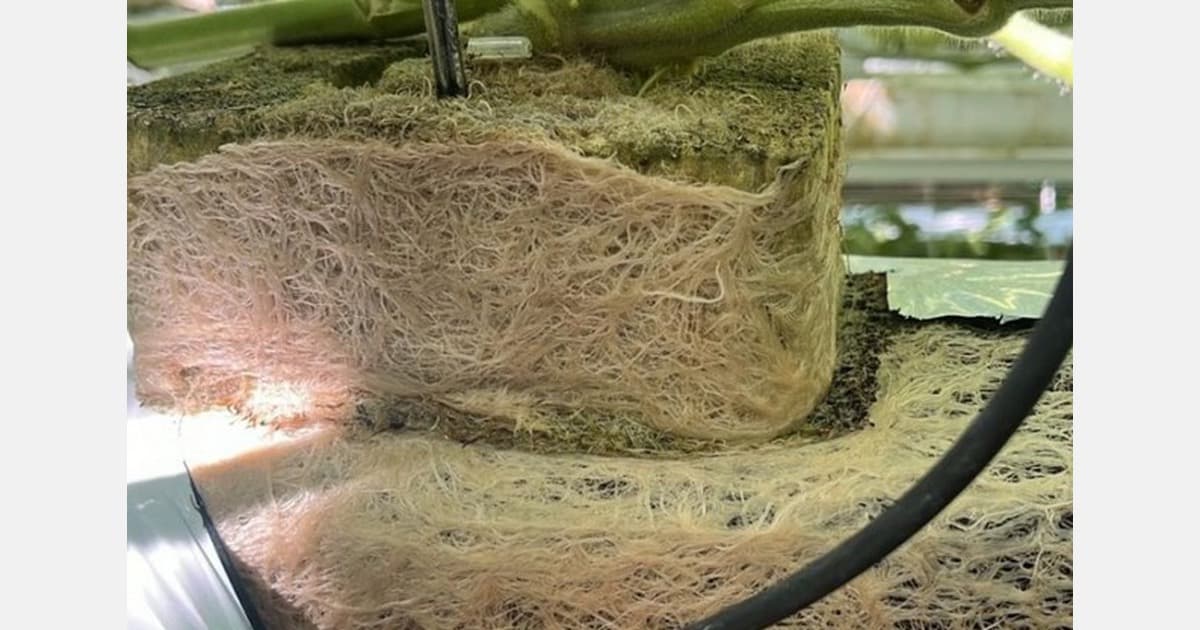
Crazy Roots on the Rise Among Tomato Growers in the Netherlands and Germany
Why It Matters
The outbreak jeopardizes yield and increases production costs, especially as extra labor is scarce, potentially eroding profitability for European greenhouse producers. Managing crazy roots is now critical to sustain supply chains for tomatoes and related vegetables.
Key Takeaways
- •Hydrogen peroxide bans linked to rise in crazy roots disease
- •Removing root wraps and opening slab tops restores oxygen, light to roots
- •Shallow dripper placement reduces blockages from excessive root growth
- •Leaf removal balances fruit load, curbing vegetative overgrowth
- •Labor shortages hinder growers' ability to implement extra interventions
Pulse Analysis
Crazy roots, officially known as Agrobacterium rhizogenes infection, has resurfaced as a pressing issue for greenhouse tomato growers in the Low Countries and Germany. The bacterium hijacks plant hormone pathways, prompting a frenzy of root growth that can choke the plant and clog irrigation drippers. In the Netherlands, the Netherlands Food and Consumer Product Safety Authority recently prohibited the routine use of hydrogen peroxide—a mild oxidant that many growers applied continuously to keep the pathogen at bay. The regulatory shift, combined with evidence of a contaminated batch from a single propagator, appears to have created a perfect storm for the disease’s resurgence.
Growers are turning to a suite of low‑technology interventions to regain control. Removing the plastic root wraps and cutting open the top of rockwool slabs restores oxygen and introduces light, both of which naturally suppress excessive root formation. Adjusting dripper placement—either by inserting them shallower or positioning them alongside the pot—reduces the likelihood of blockages that can trigger uneven water distribution. In addition, aggressive canopy management, such as pruning upper leaves and exploiting day‑night temperature swings, helps shift the plant’s energy from vegetative growth toward fruit set. However, each of these steps demands additional labor, a scarce resource in a sector already grappling with rising wage pressures.
The timing of the crazy roots flare‑up is especially problematic because growers are simultaneously battling Tomato Brown Rugose Fruit Virus (ToBRFV) and the Nesi nematode, both of which require strict hygiene and resistant cultivars. The convergence of multiple pathogens strains greenhouse operations, forcing producers to allocate limited labor and capital across competing disease‑management programs. For the broader European fresh‑produce market, persistent yield losses could tighten supply and push retail prices higher. Industry analysts suggest that investing in integrated pest‑management platforms, automated monitoring of root health, and stricter propagator certification could mitigate future outbreaks while preserving profitability.
Crazy roots on the rise among tomato growers in the Netherlands and Germany
Comments
Want to join the conversation?
Loading comments...