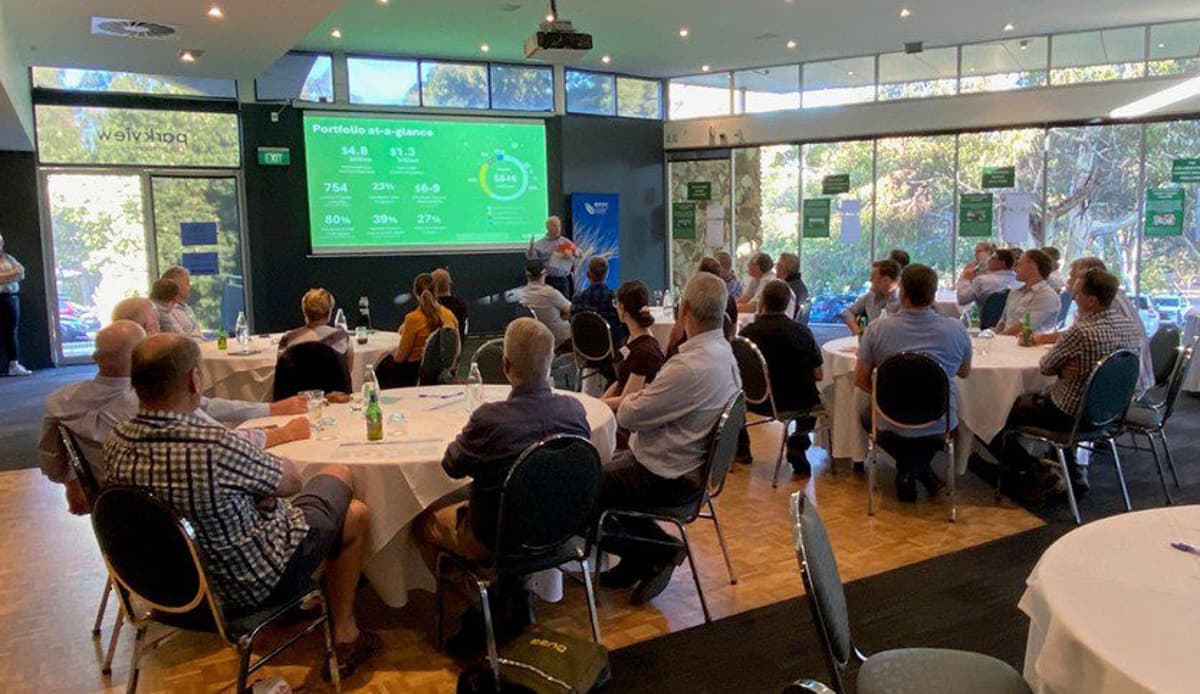
Domestic Fert, Value-Add Capacity Lead Ideas for GRDC Spend
Why It Matters
Targeted GRDC investment could boost Australian grain productivity, reduce reliance on imported fertilisers, and accelerate adoption of AI‑driven farm management, reshaping the sector’s competitiveness.
Key Takeaways
- •Nitrogen challenge ranked top by growers, second by online participants
- •Decision‑making tools placed second for growers, emphasizing AI and data integration
- •Growers urged domestic nitrogen‑fixing wheat and local fertilizer production
- •Value‑adding processing and human‑food markets suggested to stabilise grain prices
- •Interest in bio‑fuel and hydrogen‑compatible crops surfaced despite low ranking
Pulse Analysis
Australia’s Grains Research and Development Corporation is poised to direct up to $600 million toward future‑facing research after a year‑long consultation with more than 500 stakeholders. The consultation, known as Grainstorming, surfaced ten cross‑cutting challenges, but nitrogen management rose to the forefront, reflecting growers’ concerns about input costs and supply chain vulnerability, especially after recent disruptions to Middle‑East fertiliser imports. By earmarking funds for nitrogen‑fixing wheat varieties and domestic fertilizer technology, GRDC aims to enhance self‑sufficiency and lower greenhouse‑gas footprints.
The second‑ranked Decision‑Making Challenge underscores a growing appetite for data‑rich, AI‑enabled farm tools. Participants called for an integrated intelligence ecosystem that fuses satellite imagery, sensor data, and machine logs into farmer‑friendly insights. Such platforms could streamline agronomic decisions, cut operational costs, and create a new rural tech services market, positioning Australia as a leader in precision agriculture. Investment in these digital solutions would also address the “data overload” concern by delivering actionable, not just abundant, information.
Beyond inputs and analytics, growers highlighted the strategic value of domestic processing and new consumer markets. Proposals to develop value‑added grain products—such as high‑protein breakfast cereals from faba beans—and expand local maize usage aim to stabilize prices and diversify revenue streams. Although the Fossil Fuel Challenge ranked low, discussions around bio‑fuel and hydrogen‑compatible crops signal a long‑term vision for energy‑independent agriculture. As GRDC translates these priorities into concrete business cases, the sector could see a shift toward sustainable, technology‑driven, and locally resilient grain production.
Domestic fert, value-add capacity lead ideas for GRDC spend
Comments
Want to join the conversation?
Loading comments...