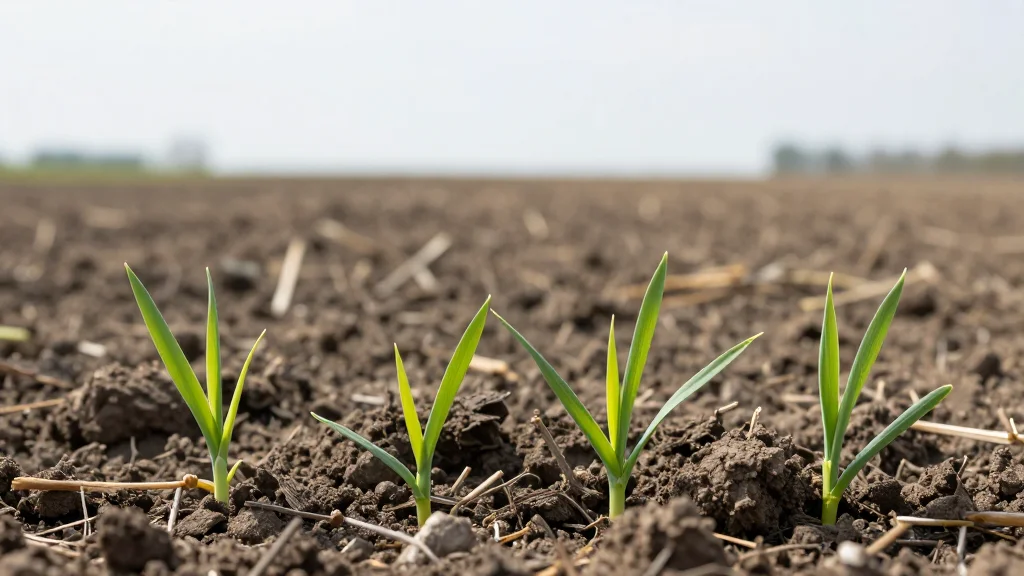
Early Growth Last Fall Paying Off for Cover Crops in Southern Minnesota
Why It Matters
Early establishment improves soil health, reduces erosion, and can boost subsequent cash‑crop yields, making timing adjustments a strategic advantage for Midwest producers.
Key Takeaways
- •Warm October accelerated cover crop germination in bean stubble
- •Early growth now visible as spring green-up
- •Oats seeded into corn stalks awaiting post‑snow emergence
- •Tile maintenance performed alongside cover crop establishment
- •Early cover crops can enhance soil health and moisture retention
Pulse Analysis
Cover crops have become a cornerstone of sustainable agriculture across the Upper Midwest, offering erosion control, nitrogen fixation, and moisture retention. While the practice is well‑established, the timing of seeding can dramatically affect outcomes. A warm fall period can jump‑start germination, allowing seedlings to develop root systems before winter dormancy, which translates into a more vigorous green‑up when temperatures rise. This early momentum reduces the lag time typically seen after snow melt, giving farmers a head start on soil protection and nutrient cycling.
Sam Ziegler’s operation in Good Thunder illustrates the practical benefits of this timing nuance. After harvesting corn, he planted oats directly into the remaining stubble, taking advantage of residual warmth in late October. The beans’ stubble provided a micro‑environment that retained heat, prompting early sprouting. As a result, his fields are already showing robust green‑up, and he anticipates a full emergence once the snow recedes. Concurrently, Ziegler is performing tile maintenance, integrating infrastructure upkeep with cover‑crop management to streamline labor and equipment use.
The broader implication for regional agriculture is significant. Climate variability is making fall weather less predictable, prompting growers to adapt planting windows to capture favorable conditions. Early cover‑crop establishment can improve soil organic matter, enhance water infiltration, and potentially increase the profitability of subsequent cash crops. As more producers observe tangible benefits, adoption of flexible seeding schedules may accelerate, reinforcing the Midwest’s reputation for innovative, climate‑smart farming practices.
Early growth last fall paying off for cover crops in southern Minnesota
Comments
Want to join the conversation?
Loading comments...