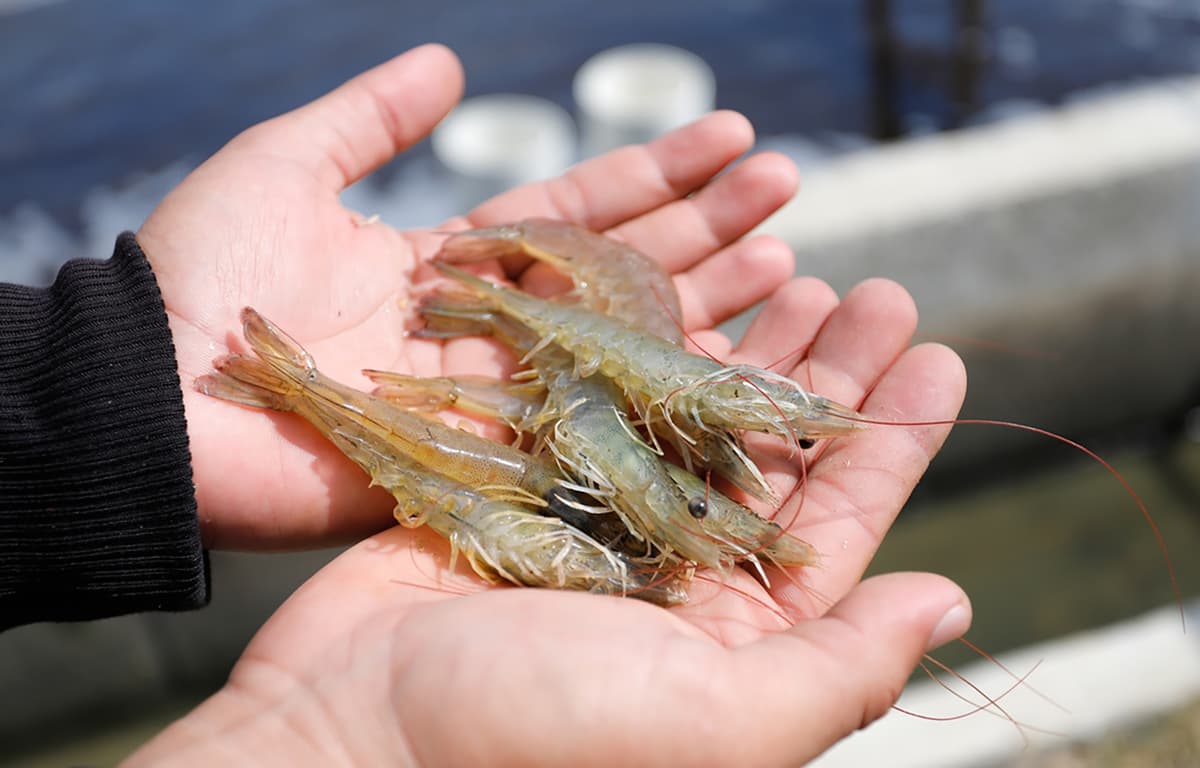
Ecuador’s Aquaculture Chamber Looking to Attract More Investments in Nation’s Shrimp Industry
Why It Matters
Fresh investment could trigger industry consolidation, improve supply certainty, and unlock higher‑value contracts, strengthening Ecuador’s position in the global shrimp market.
Key Takeaways
- •Ecuador shrimp exports hit $7.47 bn in 2025, up 23%
- •Mitsui invested $360 m in Santa Priscila, largest Latin America deal
- •CNA offers private governance to mitigate Latin American legal risks
- •90.5% of shrimp shipped to China, Europe, US; Japan growth market
- •Industry targets 7‑9% annual growth, driven by consolidation and infrastructure
Pulse Analysis
Ecuador has emerged as a rare example of a shrimp‑producing nation where scale and integration outweigh the fragmentation seen in Asian counterparts. In 2025 the country shipped 3.07 billion pounds of farmed shrimp, generating $7.47 billion in export revenue—a 23% jump from the prior year. China, Europe and the United States absorb more than nine‑tenths of that volume, while Japan is identified as a high‑potential growth market. This export surge reflects both improved farming practices and a logistics network that can meet demanding global standards.
The National Aquaculture Chamber (CNA) is now leveraging that momentum to attract foreign capital. By offering a private‑governance framework, CNA promises investors a stable point of contact that can navigate the often‑volatile regulatory environment of Latin America. The chamber’s flagship success, Mitsui’s $360 million acquisition of a stake in Santa Priscila, demonstrates that multinational firms are willing to commit sizable funds when the risk‑mitigation structure is clear. CNA believes that additional financing will spur further consolidation, allowing larger firms to replicate proven business models and enabling smaller players to integrate vertically, thereby enhancing traceability and contract‑based sales.
Looking ahead, industry leaders project a sustainable 7%‑9% annual growth rate, contingent on continued infrastructure investment and stable international trade conditions. While Ecuador’s domestic consumption accounts for only about 2% of production, the sector’s reliance on export markets makes it sensitive to geopolitical shocks, such as Middle‑East conflicts or U.S. tariff adjustments. Nonetheless, the combination of a consolidated supply base, robust export channels, and a proactive investment‑friendly chamber positions Ecuador to solidify its status as a leading global shrimp supplier.
Ecuador’s aquaculture chamber looking to attract more investments in nation’s shrimp industry
Comments
Want to join the conversation?
Loading comments...