Elaine Ingham, Who Taught That Soil Is Alive, Dies at 73
Why It Matters
Ingham’s concepts translate into lower input costs and higher sustainability, driving market demand for organic and regenerative farming solutions. The soil‑health framework now underpins investment, policy, and climate‑mitigation strategies in agriculture.
Key Takeaways
- •Ingham coined “soil food web,” linking microbes to plant health
- •Her methods enable growers to reduce pesticides and improve yields
- •Soil health strategies boost water retention, cutting irrigation costs
- •Organic farming adoption grew after her advocacy, influencing market trends
- •Educational programs worldwide teach her principles to new agronomists
Pulse Analysis
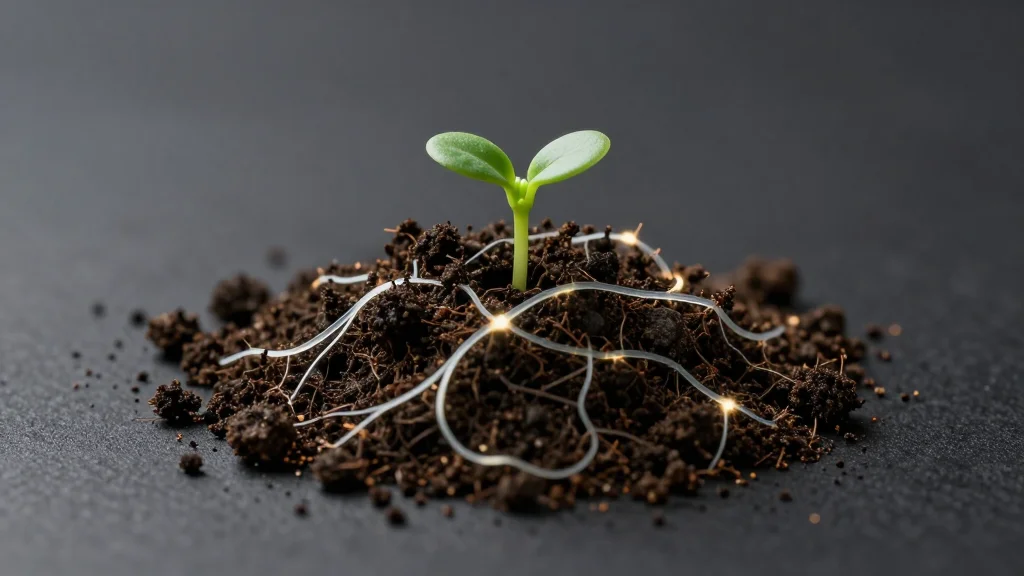
Elaine Ingham transformed the scientific narrative around soil by introducing the ‘soil food web,’ a model that portrays the underground ecosystem as a dynamic network of bacteria, fungi, protozoa and nematodes interacting with plant roots. Her research demonstrated that plants actively feed microbes with root exudates, which in turn supply nutrients and protect against pathogens. This paradigm shift moved growers from viewing soil as inert matter to managing a living system, laying the groundwork for modern regenerative agriculture practices. Her workshops and textbooks have trained thousands of agronomists worldwide, accelerating adoption across continents.
The commercial impact of Ingham’s insights is evident in reduced input costs and enhanced crop resilience. By fostering a robust soil food web, farmers can lower pesticide applications, cut fertilizer expenses, and improve water‑use efficiency, translating into higher profit margins. Consumers increasingly demand sustainably produced food, driving market growth for organic and regenerative products valued at billions of dollars. Investors are responding, channeling capital into startups that offer microbial inoculants and soil‑health analytics, underscoring the economic relevance of her legacy. The resulting yield stability also mitigates price volatility for retailers and end‑consumers.
Looking ahead, Ingham’s principles are being integrated into precision agriculture platforms that map microbial activity in real time. Policy makers are also citing soil health as a climate mitigation tool, offering incentives for carbon‑sequestering practices rooted in her research. As the global food system seeks to feed a growing population while reducing environmental footprints, the soil food web framework provides a scalable blueprint for sustainable intensification. Companies that embed these concepts into their supply chains stand to gain competitive advantage and regulatory goodwill. Future research aims to quantify microbial contributions to carbon credits, opening new revenue streams for farms.
Elaine Ingham, Who Taught That Soil Is Alive, Dies at 73
Comments
Want to join the conversation?
Loading comments...