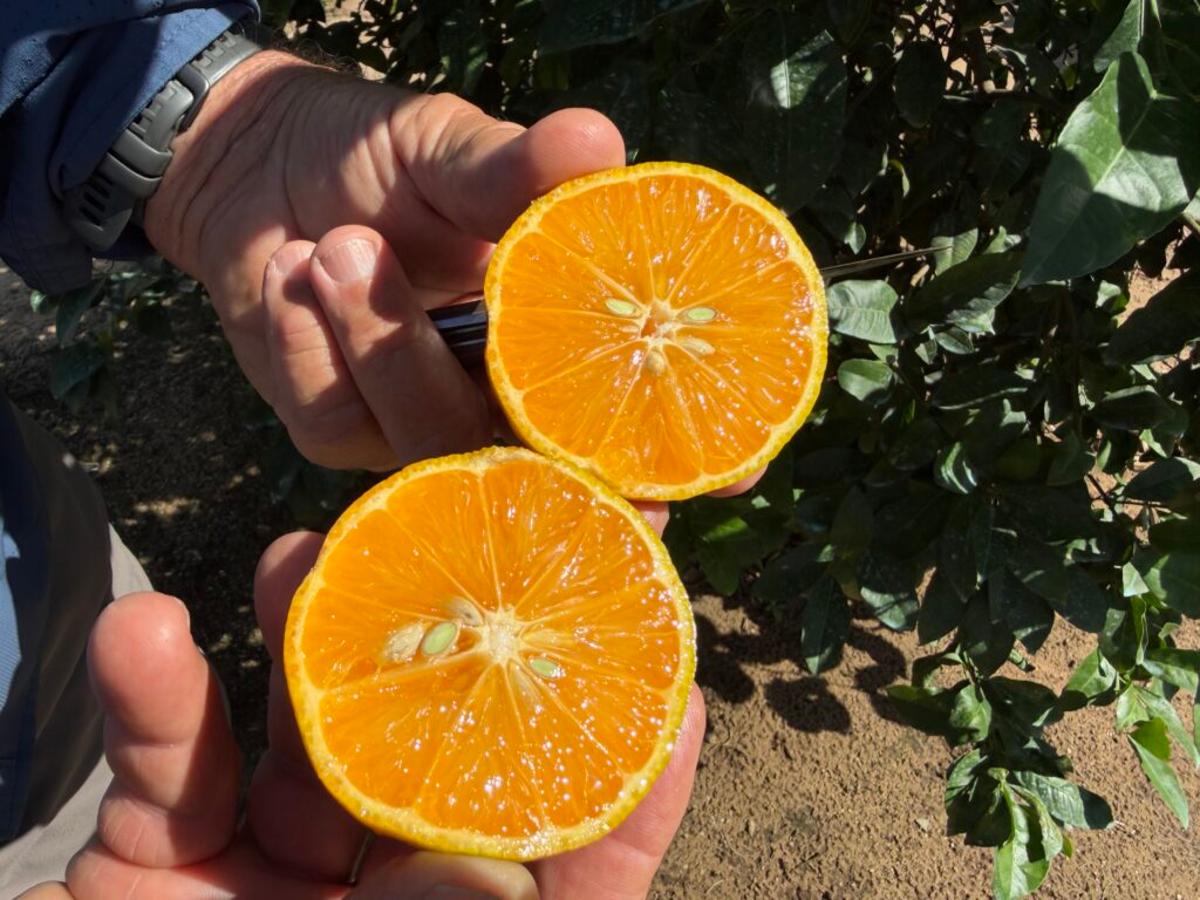
EPA Approves Soilcea’s CarriCea T1: The First CRISPR-Edited Rootstock to Offer Greening Tolerance for Florida Citrus
Why It Matters
CarriCea T1 offers a practical, biotech‑driven defense against HLB, potentially reversing two decades of production decline and reducing reliance on pesticides and imported juice. Its adoption could revitalize Florida’s citrus economy and set a precedent for gene‑edited crops in the United States.
Key Takeaways
- •EPA greenlights CarriCea T1, first CRISPR-edited citrus rootstock
- •Rootstock tolerates HLB, potentially curbing disease spread
- •200,000 trees slated for 2026‑27 planting season
- •Could reduce pesticide use and boost U.S. citrus output
Pulse Analysis
Citrus greening, or Huanglongbing, has devastated Florida’s orange groves since its 2005 arrival, slashing yields by up to 70 percent and driving up production costs. Traditional control methods—intensive pesticide regimes and tree removal—have proved insufficient, prompting a multi‑billion‑dollar research effort across public and private sectors. The disease’s bacterial agent, transmitted by the Asian citrus psyllid, infiltrates the phloem, starving trees of nutrients and ultimately killing them. This chronic threat has forced growers to import more juice, eroding the state’s market share and prompting calls for a durable solution.
CarriCea T1 represents a breakthrough in that quest. Using CRISPR‑Cas9, scientists edited a specific susceptibility gene in the rootstock, preventing the HLB bacterium from establishing a foothold. The EPA’s approval follows a rigorous safety review that examined environmental impact, gene flow, and human health, concluding that the edited plant poses no reasonable risk. Because the fruit produced on CarriCea T1 is indistinguishable from that of conventional rootstocks, growers can adopt the technology without altering supply‑chain specifications. The timing aligns with the upcoming 2026‑27 planting window, and Soilcea has already positioned 200,000 trees for distribution, signaling rapid commercial rollout.
The market implications are significant. By mitigating HLB, CarriCea T1 could restore yields, lower pesticide expenditures, and reduce the need for costly grove replanting. Analysts project that even modest adoption—10 percent of Florida’s acreage—could add billions of dollars in revenue and preserve thousands of jobs tied to the citrus sector. Moreover, the approval sets a regulatory precedent for gene‑edited crops in the United States, potentially accelerating biotech innovations across other high‑value horticultural industries. As growers evaluate the economics of switching to the new rootstock, the broader agricultural community will watch closely, gauging whether CRISPR can deliver on its promise of sustainable, disease‑resilient food production.
EPA approves Soilcea’s CarriCea T1: The first CRISPR-edited rootstock to offer greening tolerance for Florida citrus
Comments
Want to join the conversation?
Loading comments...