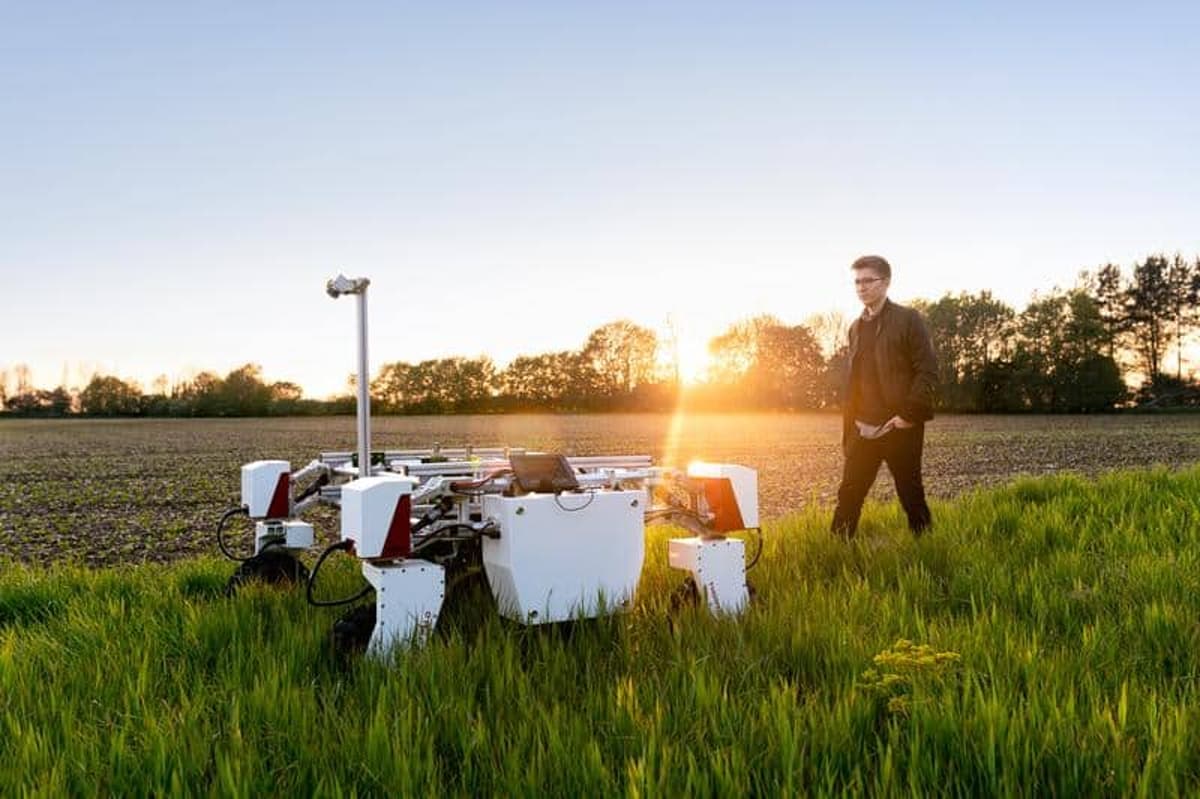
Established Networks Are Limiting What Agri-Startups Can Actually Change, Study Finds
Companies Mentioned
Why It Matters
The findings reveal that entrenched network structures can stifle breakthrough agri‑tech, affecting investors, policymakers, and the sector’s ability to meet climate and food‑security goals.
Key Takeaways
- •Incumbent networks push startups toward incremental innovations
- •Five network dimensions shape startup access to established players
- •Farmers rarely join regional agri‑tech innovation discussions
- •Founders with external experience can bridge incumbents and farms
- •Accelerators gatekeep ideas, nudging them toward incumbent business models
Pulse Analysis
The agri‑tech sector has long been portrayed as a frontier for disruptive climate‑smart solutions, yet the reality on the ground is shaped by the same network dynamics that govern traditional industries. Regional clusters, especially those anchored by large agribusinesses, create dense webs of relationships that dictate which technologies receive funding, testing, and market entry. This study from the Leibniz Centre for Agricultural Landscape Research quantifies those webs across spatial, cognitive, social, institutional and organizational dimensions, revealing that proximity alone no longer guarantees a startup’s ability to scale. This insight challenges the assumption that geographic clusters automatically generate breakthrough innovation.
Interview data show that incumbents’ strong mutual ties funnel startups into incremental improvements—such as modest sensor upgrades or efficiency tweaks—rather than the transformative, sustainability‑focused breakthroughs many investors hope for. Accelerators and other intermediaries act as gatekeepers, reshaping pitches to fit existing value chains and effectively pre‑screening out ideas that clash with entrenched business models. Consequently, even well‑funded ventures may self‑censor, aligning their roadmaps with the expectations of established players to secure market access. Such alignment often reduces the long‑term environmental payoff of new technologies.
The implications are two‑fold for policymakers and capital providers. First, fostering genuine disruption will require deliberate mechanisms that lower the social and institutional barriers for outsiders, such as open‑innovation platforms that directly involve farmers in co‑design. Second, investors should assess network exposure as a risk factor, rewarding founders who bring external experience and can navigate both the traditional farming community and the high‑tech ecosystem. By rebalancing the power of incumbent networks, the sector can unlock the radical agronomic advances needed to meet global food‑security challenges. A more inclusive network could also accelerate adoption of regenerative practices across Europe.
Established Networks Are Limiting What Agri-Startups Can Actually Change, Study Finds
Comments
Want to join the conversation?
Loading comments...