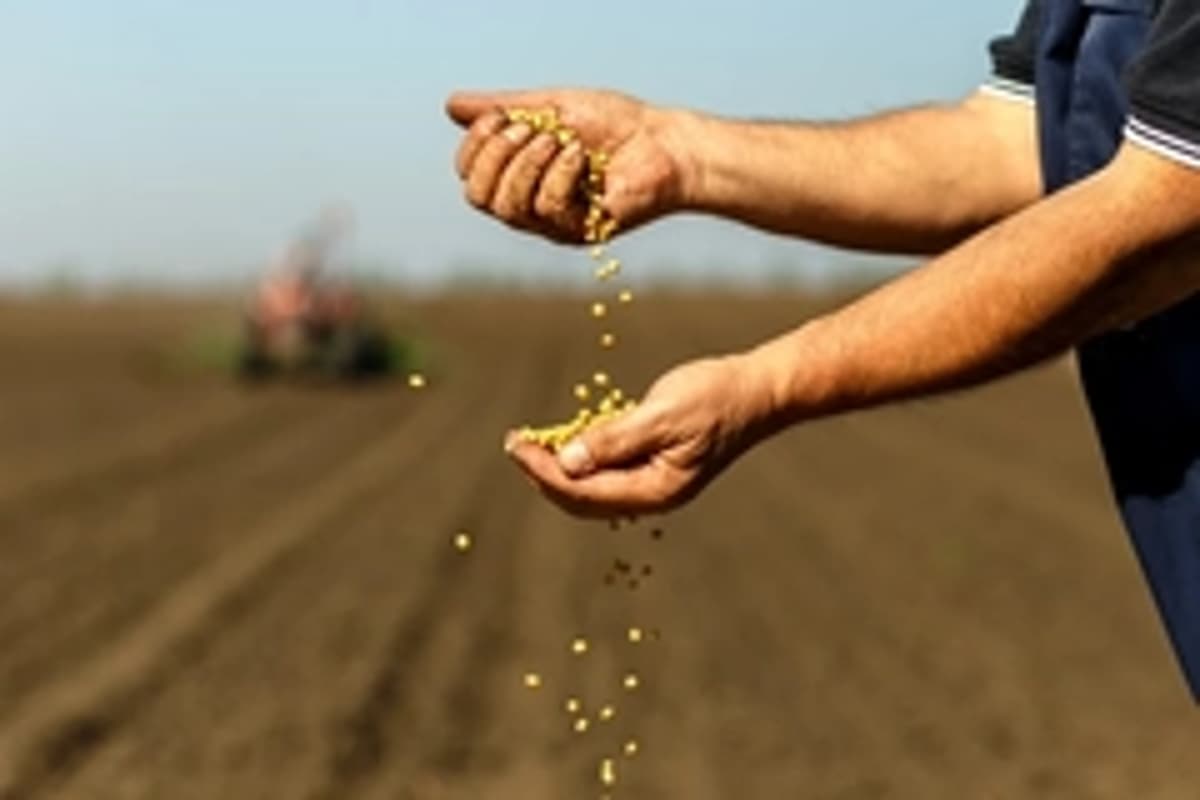
EU Seed Law Reform: Can Europe Balance Modern Breeding and Crop Diversity?
Why It Matters
The law will determine whether Europe can protect its rich crop heritage while fostering high‑tech breeding, directly affecting food security, supply‑chain resilience and the competitiveness of small breeders and specialty food producers.
Key Takeaways
- •EU draft mandates registration, testing, traceability for most seeds sold
- •Conservation groups warn the law could de‑facto ban local varieties
- •Large commercial seed firms stand to benefit from stricter standards
- •Food‑industry innovation may suffer if niche crops lose market access
Pulse Analysis
Europe’s seed sector has long operated under a fragmented framework of ten directives, many unchanged since the 1960s. The proposed Plant Reproductive Material Regulation seeks to consolidate those rules into a single, modern code, imposing mandatory registration, quality testing and traceability for seeds, tubers, cuttings and other reproductive material. Proponents argue that such harmonisation will streamline cross‑border trade, improve plant‑health safeguards, and accelerate the rollout of climate‑resilient varieties developed with gene‑editing and other advanced breeding tools.
However, the draft has ignited fierce opposition from conservation NGOs and small‑scale breeders who fear the stringent criteria will marginalise locally adapted, heritage varieties. Arche Noah warns that limiting registration to a narrow set of crops—especially excluding cereals, potatoes and oilseeds—could create a de‑facto ban on conservation varieties that underpin regional food cultures, from distinctive breads to specialty beers. The loss of these niche seeds would erode genetic diversity, weakening Europe’s capacity to respond to pests, diseases and shifting climate zones, and would diminish the raw material pool for innovative food‑and‑drink products.
The upcoming trilogue on 21 April will be a litmus test for the EU’s ability to reconcile high‑tech breeding with biodiversity stewardship. If legislators lean toward the commercial sector, large seed companies could dominate the market, while small breeders may face prohibitive compliance costs. Conversely, a compromise that preserves registration pathways for conservation varieties could safeguard agricultural resilience and maintain Europe’s rich culinary heritage. Stakeholders across the supply chain—from farmers to specialty manufacturers—are watching closely, as the final shape of the law will set the trajectory for the continent’s seed industry for the next decade.
EU seed law reform: Can Europe balance modern breeding and crop diversity?
Comments
Want to join the conversation?
Loading comments...