Why It Matters
The decision will shape how California balances its 2045 carbon‑neutral goal with preserving productive farmland, setting a precedent for future energy‑storage siting across the state.
Key Takeaways
- •New Leaf’s 200 MW Seahawk storage aims to power ~200,000 homes.
- •Moss Landing fire sparked local scrutiny of battery‑storage safety in Santa Cruz.
- •County draft ordinance adds farmland setbacks and ownership‑transfer restrictions.
- •New Leaf pivots to California Energy Commission review to meet CAISO deadline.
Pulse Analysis
California’s push to hit a carbon‑neutral grid by 2045 hinges on large‑scale battery storage that can capture surplus solar and wind power and release it during peak demand. The 300‑MW Moss Landing facility, the nation’s biggest lithium‑ion installation, burned for days in early 2025, releasing toxic plumes and prompting a statewide debate over the safety of stationary energy‑storage systems. That incident sharpened scrutiny of any new projects, especially in the agriculturally rich Central Coast, where growers fear that a similar fire could jeopardize soil health, market reputation, and consumer confidence.
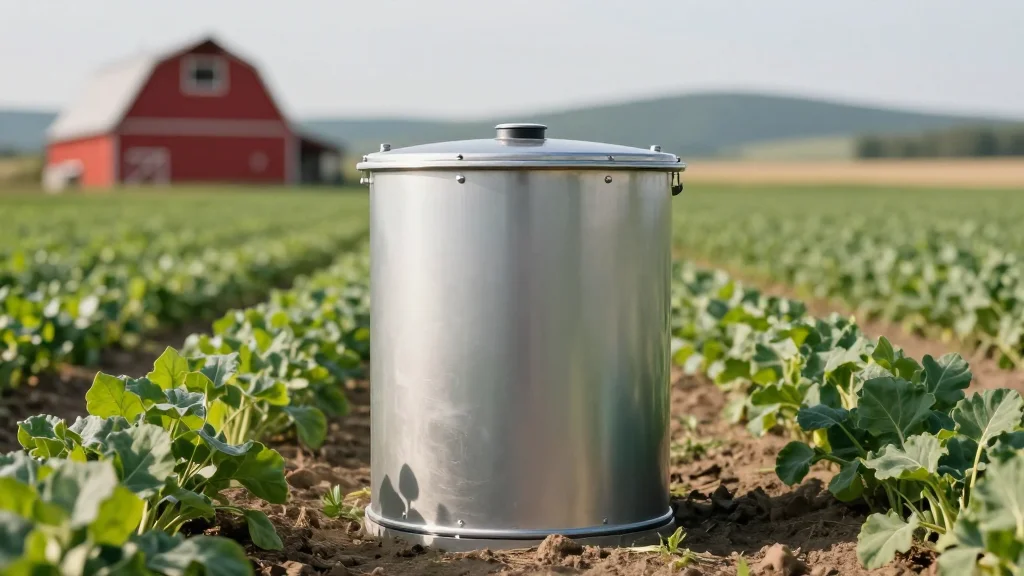
New Leaf’s Seahawk proposal envisions a 200‑MW, lithium‑iron‑phosphate battery complex on a two‑acre parcel adjacent to a PG&E substation near Watsonville. Proponents cite next‑generation cell chemistry, modular units and compliance with the NFPA 855 standard as safeguards against the Moss Landing scenario. Yet Santa Cruz County, home to a $742 million agricultural economy, has drafted a battery‑energy‑storage ordinance that mandates larger setbacks, permanent conservation easements and an ownership‑transfer clause to protect active farmland. Local growers like Tom Broz and Ken Kimes argue that even the perception of risk could depress land values and disrupt organic supply chains.
Faced with a protracted local permitting process, New Leaf invoked AB 205 to seek a California Energy Commission review, hoping to stay on the CAISO interconnection schedule that expires in March 2027. The move underscores a growing tension between state‑level climate imperatives and county‑level land‑use stewardship. If the CEC grants approval with mitigations, the project could become a template for siting storage on marginal agricultural land while preserving core farming zones. Conversely, a rejection or stringent conditions could reinforce local authority, signaling that California’s clean‑energy rollout must accommodate the state’s most productive farmlands.
For California Farmers, a Clean-Energy Dilemma
Comments
Want to join the conversation?
Loading comments...