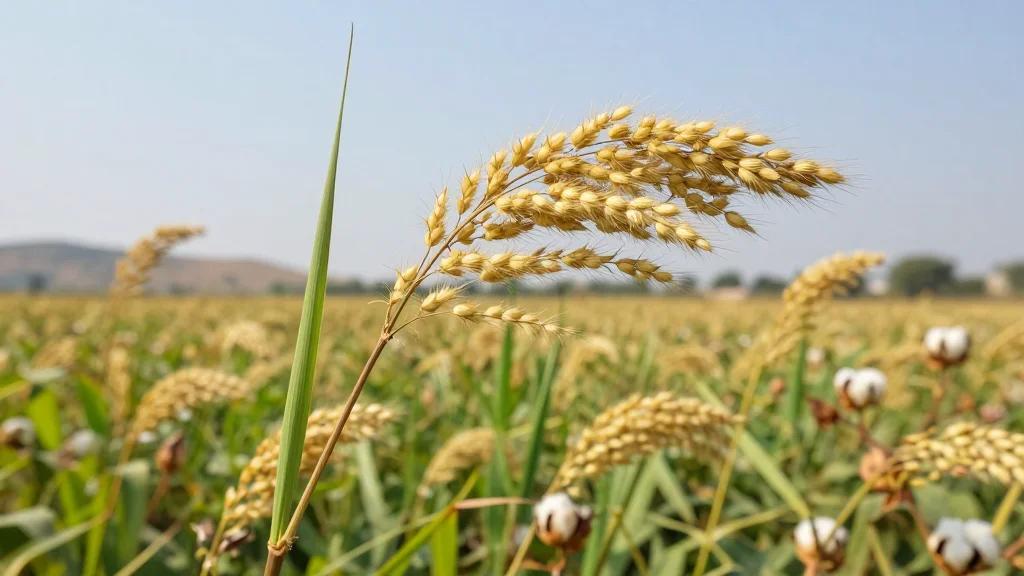
From Farm to Fashion: Why India’s Textile Future Begins in the Fields
Why It Matters
By uniting growers, manufacturers, and exporters under a single strategic framework, India can boost export earnings, meet stringent sustainability standards, and secure a dominant position in the fast‑growing technical‑textile market.
Key Takeaways
- •India’s textile sector employs 45 million, second‑largest after agriculture
- •PM MITRA parks integrate spinning to garment production in seven locations
- •PLI scheme fuels growth in technical textiles for medical and defence
- •Farmers adopt low‑chemical practices to meet EU sustainability standards
- •5F vision links cotton fields directly to global retail shelves
Pulse Analysis
India’s textile heritage dates back millennia, but today the sector contributes over 2 percent of GDP and employs roughly 45 million workers, making it the nation’s second‑largest employer after agriculture. The 5F vision articulated by Prime Minister Narendra Modi seeks to transform this legacy into a modern, end‑to‑end supply chain that moves cotton from farm to global fashion shelves. By aligning policy, infrastructure, and market demand, the government hopes to capture higher value‑added exports and reduce reliance on low‑margin raw‑cotton sales.
Sustainability has become a decisive factor for Western buyers, especially under the EU’s textile sustainability directives that demand traceability and responsible farming practices. Traditional cotton cultivation in water‑stressed regions such as Vidarbha and Telangana has long been resource‑intensive, prompting farmers like Ramesh Bhosale to adopt integrated pest management, reduced chemical inputs, and precision irrigation. These shifts not only lower production costs but also improve fibre quality, positioning Indian cotton as a compliant source for eco‑conscious brands.
Policy instruments are accelerating the transition. The PM MITRA mega‑textile parks co‑locate spinning, weaving, processing, and garment assembly across seven hubs, slashing logistics costs and fostering collaboration. Meanwhile, the Production Linked Incentive scheme incentivizes the development of technical textiles for sectors ranging from medical devices to defence, expanding India’s export basket beyond conventional apparel. By embedding farmers into this value chain, the 5F model ensures that sustainability starts at the seed level, securing long‑term competitiveness for India’s textile future.
From farm to fashion: Why India’s textile future begins in the fields
Comments
Want to join the conversation?
Loading comments...