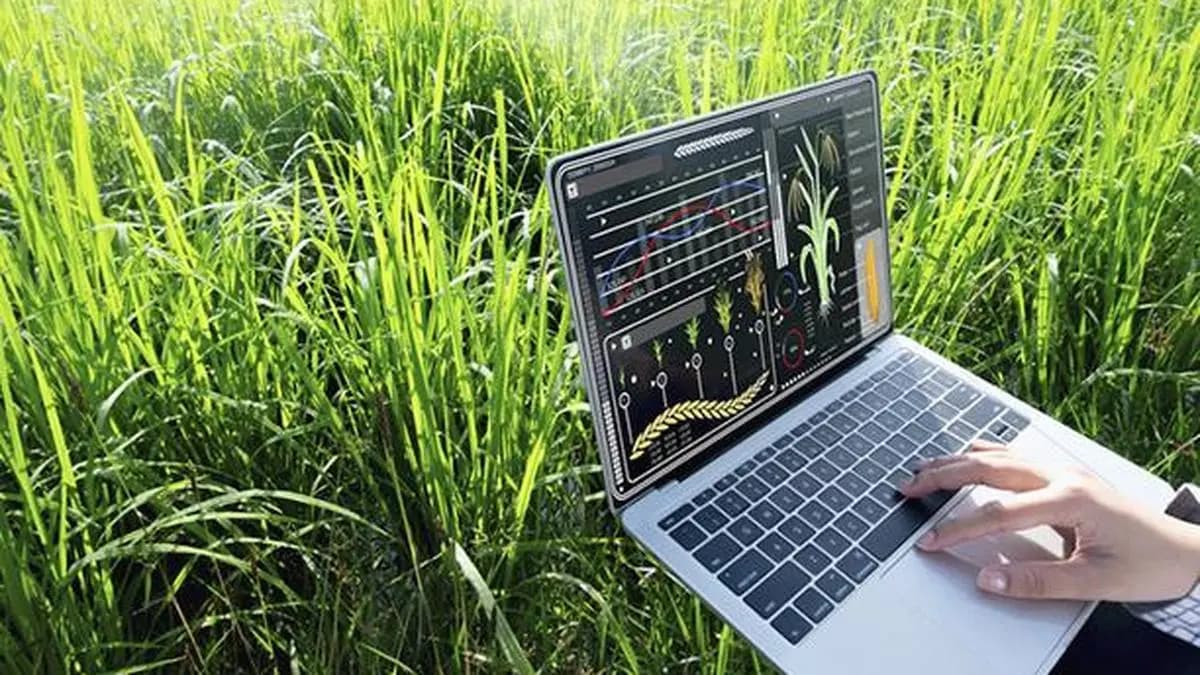
From Fields to Forecasts: The New Age of Farm Data Platforms
Why It Matters
They transform fragmented farm information into actionable intelligence, boosting efficiency, traceability, and ESG compliance for agribusinesses worldwide.
Key Takeaways
- •Farm data platforms link field observations to supply‑chain compliance.
- •Real‑time, geo‑tagged data enables agribusinesses to verify outcomes.
- •Platforms serve as operating systems for sustainability reporting and carbon accounting.
- •India’s digital agriculture infrastructure creates export‑ready data platform opportunities.
Pulse Analysis
The first wave of agri‑tech focused on instrumentation—soil sensors, drones, and mobile apps—to capture raw data from fields. While these tools generated unprecedented volumes of information, most farmers and agribusinesses struggled to turn numbers into decisions, often relying on intuition or static reports. This gap highlighted the need for a layer that could aggregate, clean, and contextualize data in real time, setting the stage for the next generation of farm data platforms.
Today’s platforms act as decision‑intelligence hubs, linking field‑level observations to enterprise resource planning, compliance, and sustainability frameworks. Real‑time, geo‑tagged data allows input companies to measure the impact of advisory services, processors to verify provenance for global retailers, and financiers to assess risk with verifiable metrics. Simultaneously, regulators and investors demand measurable ESG outcomes, pushing platforms to embed carbon accounting and DMRV standards, even as those standards continue to evolve. The result is a unified operating system that serves multiple stakeholders from a single data point.
India exemplifies the inflection point for this technology. Government‑backed digital agriculture initiatives are creating a nationwide data backbone, while the country’s massive input and food‑processing sectors seek tools to improve yield, reduce waste, and meet international sustainability criteria. Companies that build interoperable, framework‑agnostic platforms now can scale domestically and export the model to other emerging markets. In the decade ahead, these platforms will dictate how efficiently the world feeds its population and how sustainably it does so, making them a strategic asset for investors and policymakers alike.
From fields to forecasts: The new age of farm data platforms
Comments
Want to join the conversation?
Loading comments...