Funding Dip for Alt Protein Fermentation Signals Shift From Promise to Proof
Why It Matters
The funding shift signals a maturation of the fermentation ecosystem, where capital is being allocated to companies that can demonstrate scalable, cost‑effective production, shaping the future supply chain for animal‑free proteins.
Key Takeaways
- •Fermentation funding fell 45% to $357 M in 2025
- •High‑profile exits test timelines and raise financing bar
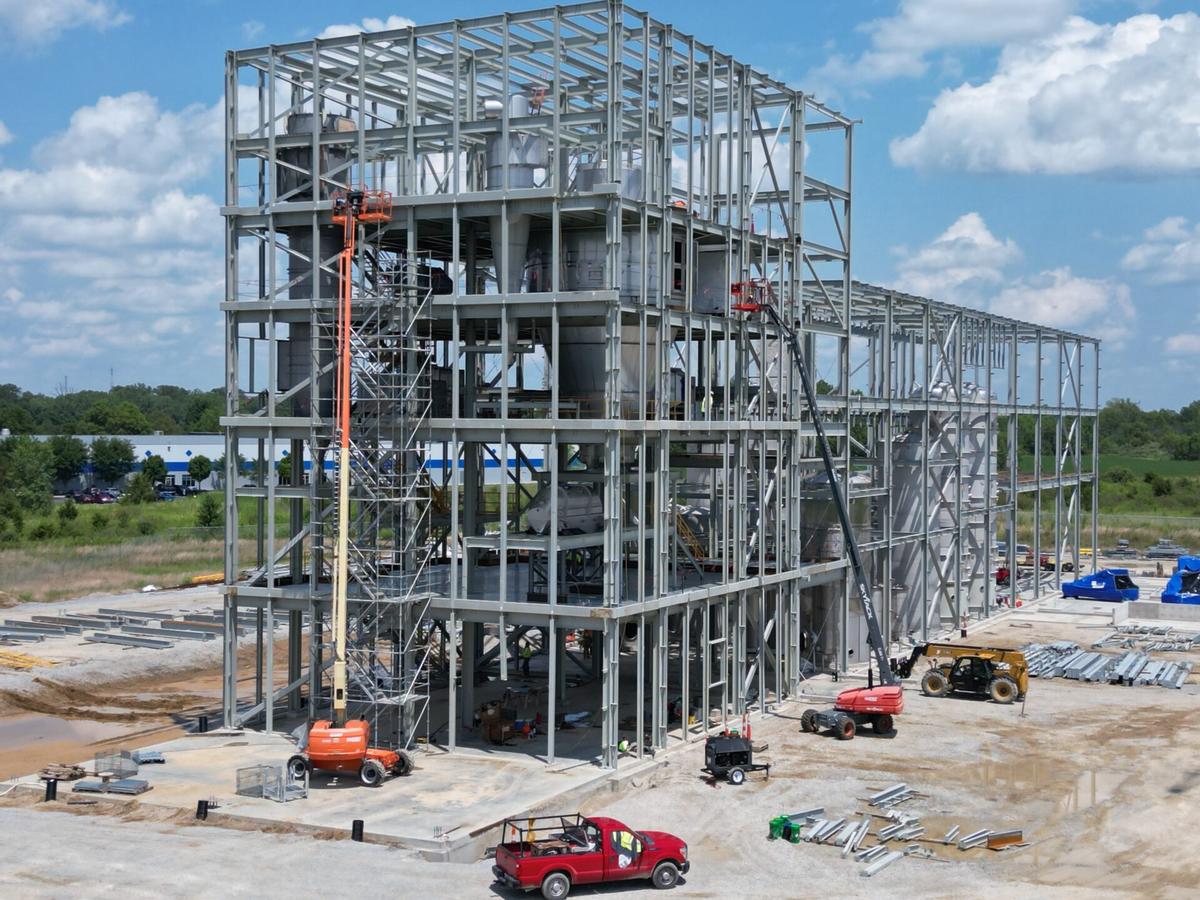
- •New large‑scale facilities open in Middle East, Europe, US
- •Enabling “picks‑and‑shovels” tech boosts yields, cuts costs
- •IP disputes threaten industry‑wide scaling and investor confidence
Pulse Analysis
The Good Food Institute’s latest state‑of‑the‑industry report paints a sobering picture for alt‑protein fermentation investors. After a boom year that saw $651 million poured into the sector, 2025’s $357 million total reflects a 45% contraction, driven by the collapse of high‑visibility players such as Meati, Motif Foodworks and Arkeon. Those failures forced venture capitalists to tighten due‑diligence, favoring startups that have already crossed the notorious "valley of death" and can prove lower‑cost feedstocks, higher yields, and clear pathways to commercial scale.
At the same time, the ecosystem is laying down a new infrastructure backbone. Government‑backed funds in Europe, the Abu Dhabi Investment Office’s partnership with The EVERY Co, and Saudi Industrial Development Group’s single‑cell protein plant illustrate a geopolitical push to tie biomanufacturing to food‑security strategies. In the United States, BioMADE’s network of pilot and demonstration facilities, plus emerging hubs in India and Guatemala, give startups access to purpose‑built fermenters that were previously scarce. Enabling‑technology firms like Fermeate and Enduro Genetics are delivering "picks‑and‑shovels" solutions—light‑driven microbial control and cell‑productivity switches—that have already lifted yields by up to 30%, making high‑value ingredients such as lactoferrin more economically viable.
However, rapid scaling brings legal friction. Overlapping patents on microbial hosts, fermentation pathways and protein formats have sparked disputes ranging from Impossible Foods versus Motif Foodworks to Better Meat Co against Meati. Prolonged litigation can stall financing rounds and deter partnerships, threatening the sector’s momentum. As investors gravitate toward firms with defensible IP and proven scale, the industry is poised to transition from speculative hype to a more disciplined, proof‑driven growth model, setting the stage for animal‑free proteins to capture mainstream market share.
Funding dip for alt protein fermentation signals shift from promise to proof
Comments
Want to join the conversation?
Loading comments...