German Winemakers Rewrite The Rules Of Riesling In A Warming World
Why It Matters
The adaptations protect Germany’s flagship grape from climate‑driven loss, safeguarding both regional heritage and global premium wine markets.
Key Takeaways
- •Harvest now in September, earlier than traditional October.
- •German wine law shifting from sugar to terroir by 2026.
- •Solar canopies (VitiVoltaic) lower sugar, increase acidity in Riesling.
- •Fungus‑resistant PiWi hybrids cut pesticide use, quality still limited.
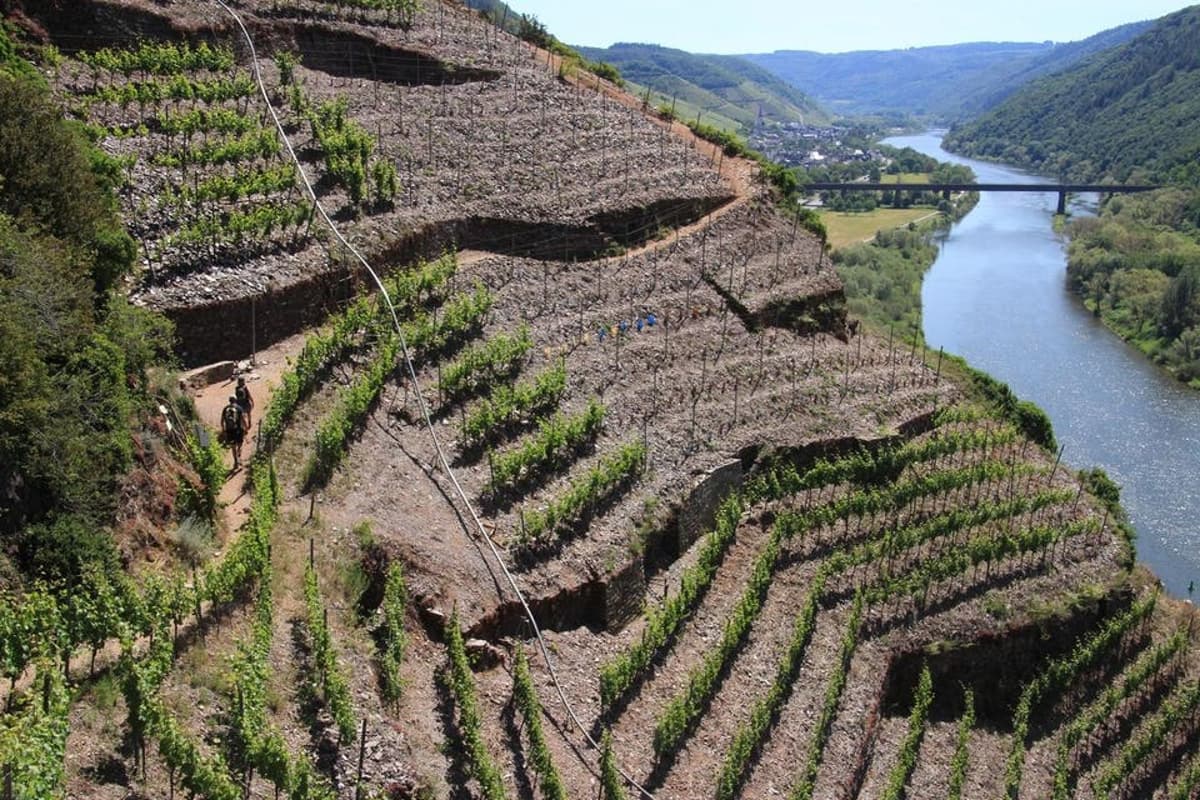
- •Warmer climate opens marginal slopes, reshapes Mosel quality map.
Pulse Analysis
Germany’s Riesling sector faces a climate reality that forces a fundamental rethink of viticulture. Rising average temperatures have compressed the growing season, pushing harvest dates forward by weeks and exposing vines to unexpected spring frosts and summer floods. These shifts threaten the delicate balance of sugar and acidity that defines classic Mosel Kabinett wines, prompting growers to seek both short‑term mitigations and long‑term strategic changes.
Among the most promising innovations are solar‑panel canopies, known as VitiVoltaic systems, which shade vines, slow sugar accumulation, and extend ripening windows by up to two weeks. Early field trials in 2024 showed harvested grapes with lower residual sugar and higher acidity—attributes prized in Riesling. Simultaneously, breeders are expanding the PiWi (Pilzwiderstandsfähige) portfolio of fungus‑resistant hybrids, reducing reliance on fungicides and aligning with Germany’s strong sustainability credentials. While current PiWi varieties still lag behind traditional vinifera in premium quality, incremental adoption could cut pesticide use by double‑digit percentages, delivering both environmental and cost benefits.
The regulatory overhaul moving away from sugar‑based classifications toward terroir‑focused labeling by the 2026 vintage further reinforces market confidence. Consumers increasingly demand transparency about origin and climate resilience, and the new system mirrors the globally recognized Burgundy model. Moreover, warming slopes are unlocking previously marginal sites, reshaping the Mosel’s quality map and offering fresh expression opportunities. For investors and exporters, these adaptations signal a resilient German wine sector capable of maintaining its premium status despite climate pressures, reinforcing Germany’s role as a key player in the international Riesling market.
German Winemakers Rewrite The Rules Of Riesling In A Warming World
Comments
Want to join the conversation?
Loading comments...