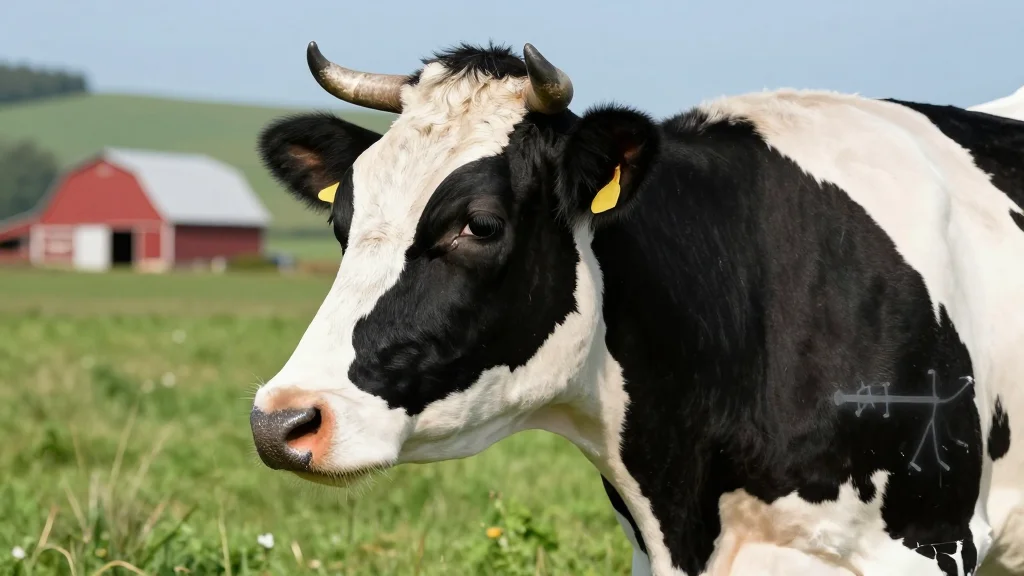
Get More Heifers In-Calf, Earlier with Synchronisation and Fixed Time AI
Why It Matters
Synchronised, fixed‑time AI accelerates genetic gain and reduces labor costs, giving dairy operations a clear profitability edge and more predictable production cycles.
Key Takeaways
- •Synchronisation yields 70‑80% first‑service conception on 260‑cow farm
- •100% heifer submission on day one tightens calving spread
- •Earlier calves improve robustness and future lactation performance
- •Fixed‑time AI reduces labor and eliminates heat detection nights
- •Vet‑prescribed GnRH, progesterone, prostaglandin protocol essential for success
Pulse Analysis
In dairy production, the genetic quality of heifers drives long‑term profitability, yet traditional heat detection is labor‑intensive and often imprecise. Synchronisation protocols align the estrous cycles of an entire cohort, allowing producers to schedule a single, fixed‑time AI event. This eliminates night‑time checks, reduces stress on animals, and creates a uniform calving window that supports optimal milk yield across multiple lactations. The Hession brothers’ experience illustrates how a well‑planned protocol can transform breeding efficiency on a mid‑size operation.
The core of the protocol combines three fertility hormones—GnRH to induce ovulation, progesterone to prime the uterus, and prostaglandin to regress any existing corpora lutea—ensuring that all heifers enter estrus simultaneously. Coordination with the AI technician is critical; timing the insemination to the technician’s availability maximizes conception rates. On the Hession farm, this strategy produced a 70% conception rate in the first year, climbing to 80% by 2025, with every heifer submitted on day one. Such metrics translate directly into tighter calving spreads, earlier calf births, and a smoother labor schedule during the breeding season.
For the broader industry, the financial implications are compelling. Earlier, healthier calves tend to reach breeding age faster and generate higher lifetime milk yields, while reduced labor hours free up staff for other value‑adding tasks. Veterinary partners play a pivotal role in customizing protocols to herd health status and in selecting appropriate AI genetics, often sourced through companies like Zoetis. As more dairies adopt synchronized, fixed‑time AI, the cumulative effect could be a measurable uplift in herd productivity and a more resilient supply chain for dairy markets.
Get more heifers in-calf, earlier with synchronisation and fixed time AI
Comments
Want to join the conversation?
Loading comments...